Do you often find yourself ordering the same few drinks, wishing for something more? Many people experience a lack of excitement with traditional cocktails. This often stems from not knowing the vast possibilities beyond standard recipes. Understanding creative mixology can transform your drinking experience.
1. What is the definition of creative mixology?
Creative mixology defines itself as the art of crafting unique and innovative drink experiences. It moves beyond standard recipes and traditional methods. This practice involves imagination, experimentation, and a deep understanding of flavors. Bartenders use these skills to create new and memorable beverages.
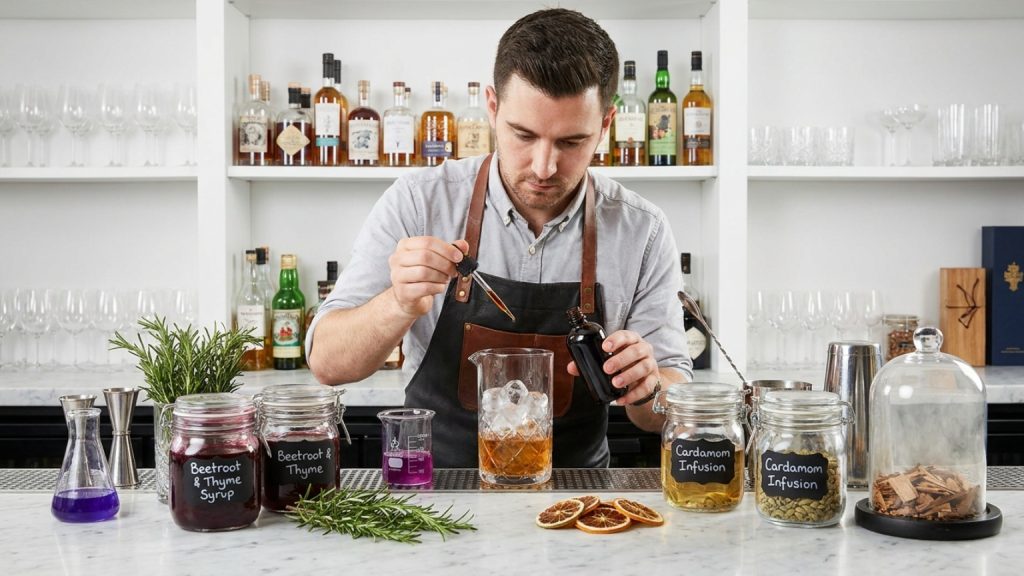
- Innovation in Ingredients: Creative mixology often uses unexpected components. This includes homemade syrups, infused spirits, or fresh herbs and vegetables. For example, a drink might feature beet juice or a rosemary sprig for an earthy, aromatic twist.
- Balance of Flavors: Achieving a perfect harmony of tastes is essential. Mixologists blend sweet, sour, bitter, and savory elements carefully. A balanced drink ensures no single flavor overpowers the others, creating a pleasant overall experience.
- Presentation and Aesthetics: The visual appeal of a cocktail plays a key role. This includes the choice of glassware, unique garnishes, and the drink’s color. A drink served with an edible flower or in a custom glass enhances the guest’s perception.
- Storytelling and Concept: Many creative cocktails aim to tell a story or evoke a specific mood. A mixologist might design a drink to reflect a season, a place, or a historical event. This adds depth and meaning beyond just the taste.
- Advanced Techniques: Mixologists employ various methods to achieve desired textures and flavors. These techniques include clarification, smoke infusion, or fat-washing spirits. Using these methods allows for complex and refined drink profiles.
Ultimately, creative mixology pushes the boundaries of traditional bartending. It focuses on delivering an engaging and innovative drinking experience for every guest.
2. Why does creative mixology enhance the guest experience?
Creative mixology elevates a simple drink into an engaging part of a guest’s visit. It transforms the act of ordering a beverage into a memorable moment. This approach adds an element of surprise and delight, making the overall experience more special.
- Sensory Engagement: Creative drinks often use unique ingredients, colors, and garnishes. This appeals to sight, smell, and taste, making the drink more immersive for guests.
- Personalized Touch: Mixologists can tailor drinks to a guest’s preferences or introduce new flavor profiles. This shows attention to detail and makes guests feel valued and understood.
- Memorable Storytelling: Each creative cocktail can have a unique name, origin, or inspiration. This provides a conversation starter and offers something new and exciting to try; for example, a drink named «Desert Bloom» might feature prickly pear and lime, evoking a specific image and taste.
- Elevated Perception: When drinks are crafted with imagination and care, they elevate the establishment’s image. Guests associate this creativity with high quality and a premium experience.
Creative mixology turns a simple drink order into an engaging event. It significantly improves guest satisfaction and encourages repeat visits.
3. How to identify the hallmarks of creative mixology?
Creative mixology goes beyond simply mixing drinks; it involves innovation and thoughtful execution. Recognizing its hallmarks means looking for specific elements that elevate a beverage from good to exceptional. These elements often include unique flavor combinations, skilled presentation, and a story behind the drink.
- Unique Flavor Profiles: Creative mixology focuses on unexpected yet harmonious flavor pairings. For example, a drink might combine smoky mezcal with bright passion fruit and a hint of basil. This creates a complex taste experience.
- Innovative Techniques: Bartenders use advanced methods beyond standard shaking or stirring. This could involve fat-washing spirits, making custom infusions, or using molecular gastronomy elements like foams or spheres.
- Thoughtful Presentation: The visual appeal of a creative cocktail is just as important as its taste. This includes choosing the right glassware, using artistic garnishes, and considering the drink’s color and texture.
- Storytelling and Concept: Each creative drink often has a narrative or a specific inspiration. A bartender might craft a cocktail to evoke a season, a memory, or a cultural theme, adding depth to the experience.
- Balance and Refinement: Despite complex ingredients, a truly creative cocktail maintains perfect balance. No single flavor should overpower the others, resulting in a smooth and enjoyable finish.
These characteristics show that creative mixology is an art form. It combines culinary skill with artistic vision, offering a memorable experience for the drinker.
4. What are the initial steps for exploring creative mixology?
- Understand core spirits: Learning the flavor profiles of spirits like gin, rum, or whiskey is essential. This knowledge helps you choose bases that complement other ingredients.
- Master classic cocktails: Replicating drinks such as an Old Fashioned or a Daiquiri teaches fundamental ratios and techniques. These classics serve as a starting point for future creative variations.
- Explore flavor pairings: Experiment with how different ingredients, like herbs, spices, or fruits, combine. Consider how basil pairs with strawberry, or rosemary with grapefruit, to create new tastes.
- Learn basic techniques: Practice essential skills such as shaking, stirring, muddling, and proper chilling. These techniques ensure consistent quality and improve the overall drinking experience.
- Develop your palate: Regularly taste and analyze different ingredients, both individually and in combinations. This practice improves your ability to identify flavors and balance them effectively.