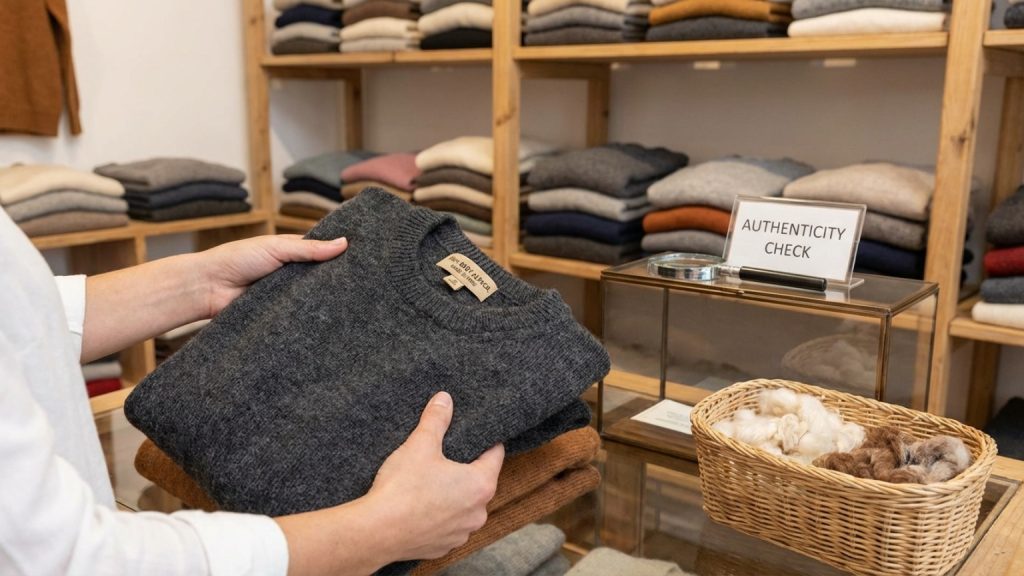
Are you looking to add luxurious alpaca clothing to your wardrobe but feel unsure about where to start? Finding authentic, high-quality alpaca garments can be challenging. This guide helps you understand what makes alpaca special and how to make informed purchasing decisions.
1. What is alpaca clothing and what are its distinct types?
Alpaca clothing comes from the soft, luxurious fiber of alpacas, animals native to South America. This natural fiber is known for being warm, lightweight, and incredibly soft against your skin, making it a popular choice for high-quality garments.
For example, a fine Alpaca sweater can keep you warm in cold weather without feeling bulky. Understanding the different types of Alpaca fiber helps you choose the best clothing for your needs.
- Alpaca Fiber: This refers to the general term for wool shorn from alpacas. It is naturally hypoallergenic and often warmer than sheep’s wool, making it ideal for sensitive skin.
- Baby Alpaca: This fiber comes from the first shearing of an alpaca, or from the softest parts of an adult alpaca. It is exceptionally fine, soft, and lightweight, often used for premium scarves or delicate sweaters.
- Royal Alpaca: This is the finest and rarest type of Alpaca fiber available. It represents the top one percent of all Alpaca fleece, offering unmatched softness and warmth.
- Huacaya Alpaca: The most common type of Alpaca, Huacaya alpacas produce a crimped, fluffy fiber. This fiber is similar to sheep’s wool in appearance but is softer and less itchy.
- Suri Alpaca: Suri alpacas have long, lustrous, and straight fibers that drape beautifully. This type of fiber is often used for elegant coats and outerwear because of its silky feel and shine.
Each type offers unique qualities, influencing the garment’s feel, warmth, and appearance. Knowing these distinctions allows you to make an informed choice when buying Alpaca clothing.
2. Why is the purchase of alpaca clothing a choice for lasting quality?
Alpaca clothing offers more than just warmth and luxury. It stands out for its exceptional durability and long-term value, making it a wise investment for your wardrobe. When you choose alpaca, you select quality that endures over many years.
- Durability: Alpaca fibers are naturally strong and resistant to pilling, which means your garments maintain their appearance over time. For example, a well-cared-for alpaca sweater can last for decades, unlike items made from less resilient materials.
- Thermal Regulation: The unique hollow structure of alpaca fibers provides excellent insulation without adding bulk. This allows alpaca clothing to keep you warm in cold weather and comfortable in milder conditions. You can wear a single alpaca layer across a range of temperatures.
- Hypoallergenic Properties: Unlike traditional wool, alpaca fiber does not contain lanolin, which is a common allergen. This makes it a great option for people with sensitive skin or allergies. You can enjoy the softness of alpaca without irritation.
- Softness and Comfort: Alpaca fiber is incredibly soft, often compared to cashmere, and feels gentle against the skin. This comfort encourages frequent wear, making alpaca items beloved pieces in your collection. It does not cause the itchiness sometimes associated with other wools.
- Resistance to Wrinkling: Alpaca garments naturally resist wrinkles and hold their shape well. This reduces the need for frequent ironing and makes them easy to care for. Your alpaca jacket will look neat even after being packed for travel.
These inherent qualities ensure that alpaca garments remain valuable and beautiful over an extended period. You invest in enduring comfort, elegant style, and true longevity with each alpaca purchase.
3. How to identify authentic alpaca clothing before making a purchase?
Identifying genuine alpaca clothing requires attention to detail. Many products claim to be alpaca but are blends or entirely different fibers. Knowing what to look for helps you make an informed decision and ensures you get the quality you expect.
- Feel and texture: Authentic alpaca feels incredibly soft, smooth, and luxurious against the skin. It should not feel scratchy or coarse. For example, if a sweater feels rough like cheap wool, it is likely not pure alpaca.
- Labeling: Always check the garment’s care label for fiber content. Look for «100% Alpaca» or specific types like «100% Baby Alpaca» or «100% Royal Alpaca.» Blended items will list other fibers, such as wool or acrylic.
- Price: Alpaca is a premium natural fiber, so its price reflects its quality and rarity. If an item is significantly cheaper than similar alpaca products, it is probably not pure alpaca. A sweater priced like a synthetic blend, for instance, is unlikely to be genuine.
- Weight and warmth: Pure alpaca is surprisingly lightweight yet exceptionally warm. It offers excellent insulation without feeling bulky. This combination of lightness and warmth is a hallmark of authentic alpaca fiber.
- Pilling: While no natural fiber is entirely pill-proof, high-quality alpaca tends to pill less than sheep’s wool. Inspect the fabric for signs of excessive pilling, especially on new items, as this can indicate lower quality or a blend.
By using these checks, you can confidently identify authentic alpaca clothing. This approach helps you invest in quality pieces that will provide lasting comfort and style.
4. What steps should you take to buy alpaca clothing responsibly?
- Research the Brand’s Ethics: Look into the company’s commitment to fair trade and animal welfare. Some brands, for example, share details about their supply chain or partnerships with local artisans. This transparency shows they care about responsible production.
- Understand Fiber Types: Learn about different alpaca grades, like baby alpaca or royal alpaca. Baby alpaca is very soft and fine, often used for scarves or delicate sweaters. Knowing the types helps you choose the right quality for your needs.
- Check for Certifications: Look for labels or certifications that confirm ethical sourcing and sustainable manufacturing. These often indicate adherence to specific environmental or social standards. Such certifications provide an extra layer of trust.
- Examine Product Details: Always read the product descriptions carefully for fiber content and origin. A high-quality alpaca garment will clearly state if it is 100% alpaca or a blend. This helps you confirm the authenticity of your purchase.
- Consider Care Instructions: Understand how to properly care for your alpaca clothing before buying. Alpaca wool requires specific washing and drying methods to maintain its softness and shape. Proper care extends the life of your garment.