Many travelers wish to explore Spain’s rich artistic heritage. However, finding a way to truly immerse oneself in its history and culture can be challenging. A superficial visit often leaves one feeling disconnected from the profound stories behind the masterpieces. This situation can lead to missed opportunities for a deeper understanding of Spanish art.
1. What defines art tours in Spain?
Art tours in Spain provide an in-depth exploration of the nation’s vast artistic legacy. These experiences typically span centuries of creative expression, from ancient artifacts to modern masterpieces. A tour aims to offer comprehensive context, helping participants understand Spain’s cultural and historical development through its art.
- Diverse Artistic Periods: The tours cover a wide range of eras, including Roman, Moorish, Gothic, Renaissance, and Baroque art. They also feature significant works from the Spanish Golden Age and the 20th century. For example, a tour might showcase the intricate details of a Roman mosaic in Mérida and later present the dramatic brushstrokes of Goya at the Prado Museum.
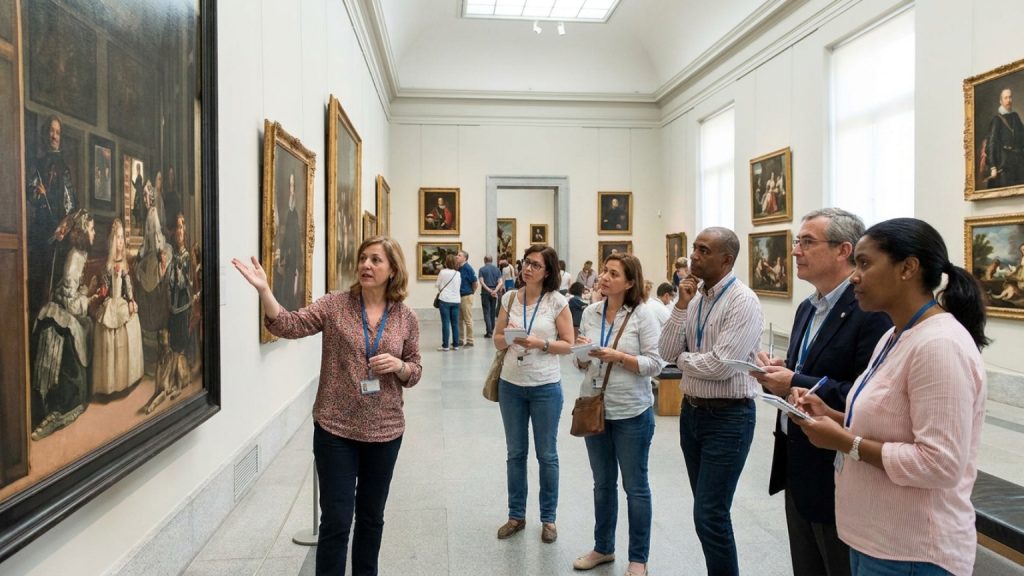
- Expert Local Guidance: Specialists with deep knowledge of art history and local culture lead these tours. They offer valuable insights into the social, political, and religious contexts that shaped artistic movements. A guide might explain the symbolism and impact of Picasso’s Guernica at the Reina Sofía Museum, enriching the viewing experience.
- Immersive Cultural Context: Art is not viewed in isolation; it is presented within its broader cultural environment. Participants learn about the traditions, craftsmanship, and daily life that influenced artists and their works. This could involve exploring a historic neighborhood to see how its architecture reflects past artistic styles.
- Access to Key Institutions: Tours include visits to Spain’s most important art museums, galleries, and architectural wonders. Prominent examples are the Museo del Prado in Madrid, the Guggenheim Museum in Bilbao, and the Alhambra in Granada. These sites house renowned collections and represent significant artistic achievements.
- Beyond Major Landmarks: Many art tours also venture beyond the most famous sites to discover smaller, lesser-known collections or local artist studios. This approach offers a more intimate perspective on regional art and contemporary Spanish creativity. For instance, a tour might visit a traditional pottery workshop in Seville or a local gallery showcasing emerging artists.
Ultimately, an art tour in Spain offers more than simple sightseeing; it provides a profound connection to the country’s artistic spirit. The experience fosters a deeper appreciation for the beauty and stories embedded within Spain’s cultural heritage.
2. Why is the exploration of art in Spain through tours beneficial?
Art tours in Spain offer a structured way to engage with the country’s rich artistic heritage. They provide access to historical insights and cultural contexts that independent visits might miss.
This guided approach enhances understanding of significant works and their creators. For example, a tour often explains the political climate influencing Goya’s «Black Paintings» at the Prado Museum in Madrid.
- Expert Guidance: Specialists offer deep knowledge about art movements and individual artists. This expertise helps visitors appreciate the nuances of each piece and its historical importance.
- Curated Itineraries: Tours often plan efficient routes to important galleries and historical sites. This ensures a comprehensive experience without the stress of logistics, such as visiting the Guggenheim Museum in Bilbao and then the Picasso Museum in Barcelona.
- Contextual Understanding: Guides explain the cultural, social, and political backgrounds of artworks. This provides a fuller picture, for instance, of how Islamic art influenced Spanish architecture in Andalusia.
- Exclusive Access: Some tours arrange special entry or private viewings at certain locations. This can offer a more intimate experience with significant collections.
- Language and Cultural Bridge: Guides facilitate communication and explain local customs related to art and heritage. This makes the experience more accessible and enjoyable for international visitors.
The structured nature of art tours in Spain allows for a deeper and more informed appreciation of its artistic treasures. This method transforms a simple viewing into an educational and memorable cultural journey.
3. How can one identify quality art tours in Spain?
Identifying a quality art tour in Spain requires careful consideration beyond simple sightseeing. A good tour provides deep insights into the art, history, and cultural context. It connects participants with the artistic heritage in a meaningful way. This approach helps ensure a truly enriching and memorable experience for all.
- Expert Guides: Quality tours feature guides with specialized knowledge in art history or deep local expertise. These guides can explain complex artistic techniques and historical significance clearly. For example, a knowledgeable guide might illuminate the subtle nuances of El Greco’s work in Toledo.
- Small Group Size: Smaller groups allow for more personal interaction with the guide and provide better viewing opportunities for artworks. This also creates a more intimate and focused learning environment for participants.
- Curated Itinerary: The tour should offer a well-thought-out selection of sites and art pieces, moving beyond only the most popular attractions. It might include visits to lesser-known galleries or offer unique perspectives on famous collections.
- Authentic Experiences: A superior art tour often integrates local culture, perhaps through visits to artist studios or traditional workshops. This helps connect the art directly to its contemporary cultural environment.
- Clear Communication: The tour operator provides precise information about schedules, meeting points, and what the tour includes. Clear communication reduces stress and allows participants to concentrate on the artistic journey.
Focusing on these elements helps distinguish truly superior art tours from standard offerings. A well-chosen tour provides lasting memories and a deeper appreciation for Spain’s rich artistic heritage.
4. What are the steps for planning art tours in Spain?
Planning an art tour in Spain involves several key considerations. A thoughtful approach ensures a rewarding experience for all participants. The process begins with defining interests and setting clear objectives. This preparation helps visitors fully appreciate Spain’s rich artistic heritage.
- Define artistic interests: Visitors should first identify their preferred art periods or movements. For example, some may prioritize Renaissance works, while others seek modern art collections.
- Research key destinations: Spain offers diverse art hubs, so research helps narrow down choices. Madrid boasts the Prado Museum, while Barcelona is famous for Gaudí’s architecture.
- Set a budget and duration: Financial limits and available time greatly influence the tour’s scope. A shorter trip might focus on one city, but a longer one can cover multiple regions.
- Consider guided versus independent tours: A guided tour provides expert insights and handles logistics. An independent tour offers more flexibility but requires personal planning.
- Book accommodations and transport: Early booking secures better rates and availability, especially during peak seasons. This step ensures smooth travel between artistic sites.
Careful planning makes an art tour in Spain a truly enriching journey. This structured approach allows visitors to immerse themselves fully in the country’s artistic treasures.