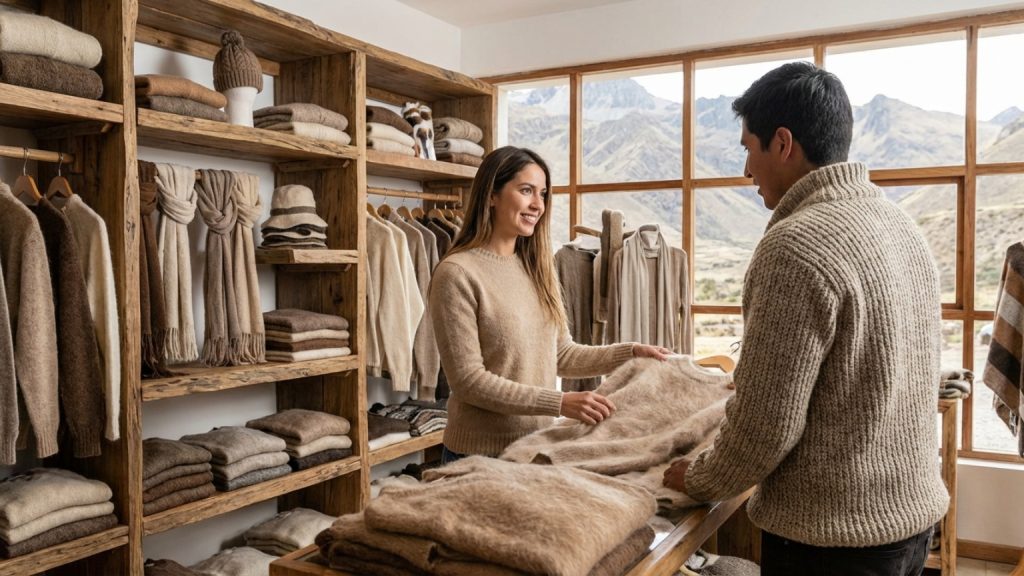
Finding clothing that offers both luxury and practicality can be challenging. Many garments lack the warmth, softness, or ethical production you seek. You might wonder if there is a material that truly stands out. Alpaca clothing presents a compelling alternative, known for its exceptional qualities and sustainable origins.
1. What is alpaca clothing: Understanding the fiber and its origins?
Alpaca clothing comes from the fleece of the alpaca animal, native to the Andes Mountains of South America. This natural fiber creates garments known for their exceptional softness, warmth, and durability.
You can wear these pieces comfortably in various climates. For example, a lightweight alpaca sweater keeps you warm without feeling bulky, perfect for a chilly evening.
- Alpaca Fiber: Alpaca fiber is a natural material harvested from alpacas. It is highly valued for its fine texture and luxurious feel.
- Origins in the Andes: Alpacas are domesticated animals, closely related to llamas, that thrive in the harsh, high-altitude conditions of the Andean region. Their fleece has protected them from extreme temperatures for thousands of years.
- Unique Characteristics: This fiber is hollow, which makes it incredibly light yet very warm. It also lacks lanolin, making it naturally hypoallergenic and soft against the skin.
- Sustainable Sourcing: Alpacas have a gentle impact on pastures, as they graze without pulling up roots and have soft padded feet. This makes alpaca farming a more environmentally friendly practice compared to some other livestock.
- Fiber Grades: Different grades of alpaca fiber exist, such as «baby alpaca,» which refers to the finest and softest fibers, not necessarily from baby animals. These finer fibers result in exceptionally smooth and comfortable clothing.
Understanding alpaca fiber reveals why it is a unique choice for your wardrobe. Its natural qualities offer both comfort and lasting wear.
2. Why choose alpaca clothing: The deep benefits for your comfort and style?
Alpaca clothing offers unique advantages for both comfort and personal style. Its natural fibers provide warmth without bulk, making these garments exceptionally pleasant to wear. Choosing alpaca means you invest in pieces that combine luxury with high practicality. These items adapt well to various climates and personal preferences, giving you versatile options for your wardrobe.
- Exceptional warmth and lightness: Alpaca fiber is remarkably warm but feels light on the body. It traps heat efficiently without adding bulk, which makes it ideal for layering. For example, wearing an alpaca sweater on a chilly morning means you feel cozy without being weighed down.
- Hypoallergenic quality: Alpaca wool lacks lanolin, a common allergen found in sheep’s wool. This makes alpaca a gentler choice for people with sensitive skin or allergies. Many find alpaca comfortable even when worn directly against the skin.
- Softness and comfort: The fibers are incredibly soft and smooth, feeling luxurious against your skin. This natural softness ensures comfort for extended wear, unlike many scratchy alternatives. You can enjoy a soft touch all day long.
- Durability and longevity: Alpaca garments are strong and resistant to pilling, stretching, and wrinkling. With proper care, these pieces can last for many years, offering lasting value. This means your investment continues to provide comfort and style over time.
- Breathability: Despite its warmth, alpaca fiber allows air to circulate, preventing overheating. This natural breathability helps regulate body temperature in changing conditions. You stay comfortable whether indoors or outdoors.
Choosing alpaca clothing means investing in comfort, sophisticated style, and lasting quality. You gain versatile pieces that enhance your wardrobe for any season and occasion.
3. How to identify genuine alpaca clothing: Signs of quality and authenticity?
Identifying genuine alpaca clothing ensures you invest in a high-quality product. Knowing the key characteristics helps you distinguish pure alpaca from blends or imitations. Genuine alpaca offers superior softness, warmth, and durability.
- Feel and texture: Real alpaca feels incredibly soft and smooth against the skin. It lacks the scratchiness often found in other wools. For example, when you touch a sweater, it should feel gentle and luxurious, not rough or irritating.
- Fiber uniformity: High-quality alpaca fibers are consistent in appearance. You should not see coarse guard hairs or uneven textures within the fabric. Look closely at the fabric; individual strands should appear uniform in thickness and sheen.
- Lack of pilling: Genuine alpaca wool resists pilling better than many other fibers. While some minor pilling can occur over time, a new alpaca item should not show small fiber balls forming on its surface.
- Warmth-to-weight ratio: Alpaca is remarkably warm for its weight. It provides excellent insulation without feeling heavy or bulky. A thin alpaca scarf, for instance, can provide surprising warmth on a cold day.
- Price point: Alpaca is a luxury fiber, so its price reflects its quality and rarity. Very low prices might indicate a blend with cheaper materials or a completely different fiber. Expect a higher price tag compared to synthetic or common sheep wool garments.
Paying attention to these signs will help you confirm the authenticity of alpaca clothing. This careful selection ensures you enjoy the lasting comfort and quality that genuine alpaca provides.
4. Where to find alpaca clothing: Steps for a responsible and quality purchase?
- Research brands and sellers: Look for businesses that clearly state their sourcing and production methods. Reputable sellers often share details about their commitment to ethical labor and animal welfare. For example, a brand might explain how they work directly with alpaca farmers in Peru.
- Check fiber content: Always read the product description to confirm the garment is 100% alpaca or a specific alpaca blend. Some items might be labeled «alpaca style» but contain very little actual alpaca fiber. Knowing the exact content helps you understand the quality and feel of the item.
- Look for ethical certifications: Some companies partner with organizations that certify fair trade or sustainable practices. While not always present, these certifications offer an extra layer of assurance. They show a commitment to responsible production.
- Read customer reviews: Past buyers often share valuable insights about product quality, sizing, and the seller’s service. Look for consistent feedback regarding the softness, warmth, and durability of the alpaca items. This can guide your decision.
- Understand return policies: Before buying, check the seller’s return and exchange policy. A clear and fair policy indicates a trustworthy business that stands behind its products. This gives you peace of mind if an item does not meet your expectations.