Are you looking for a travel experience that offers more than just sightseeing? Many travelers seek authentic journeys that blend cultural immersion with relaxation. Wine tourism in the Iberian Peninsula provides a unique opportunity to connect with the region’s rich history, diverse gastronomy, and stunning landscapes.
1. What is the definition of wine tourism in the Iberian Peninsula?
Wine tourism, or enotourism, in the Iberian Peninsula involves visiting vineyards, wineries, and wine regions. It offers an immersive experience that goes beyond simple wine tasting.
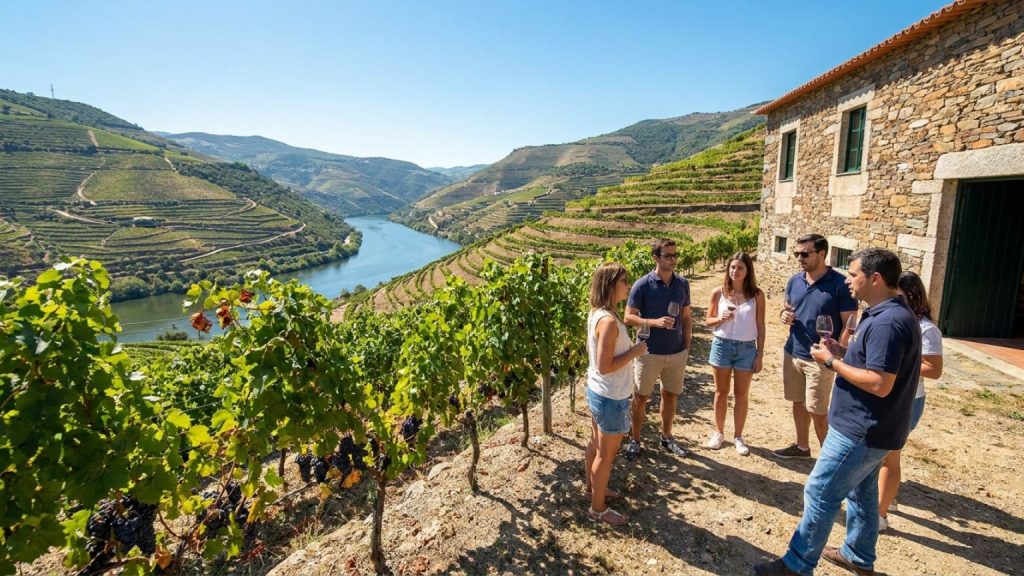
This form of tourism connects visitors with the history, culture, and production processes of local wines. For example, a trip to the Douro Valley in Portugal allows guests to explore terraced vineyards and learn about port wine production.
- Vineyard and Winery Visits: This aspect includes tours of grape cultivation areas and wine production facilities. It often involves guided tastings of various wines produced on site.
- Cultural and Historical Immersion: Wine tourism frequently integrates local traditions, historical sites, and regional customs related to winemaking. It helps guests understand the deep cultural roots of wine in areas like La Rioja.
- Gastronomic Experiences: The activity typically pairs local wines with regional cuisine. Visitors enjoy meals that highlight the unique flavors of the area, creating a complete sensory journey.
- Educational Programs: Many wine tourism experiences offer workshops or courses on viticulture, oenology, and food pairing. These programs provide deeper knowledge about the wine industry.
- Rural and Landscape Appreciation: Wine regions often feature beautiful natural landscapes and traditional villages. This allows visitors to enjoy scenic beauty and support local rural economies.
Therefore, wine tourism in the Iberian Peninsula represents a comprehensive travel experience. It combines appreciation for wine with cultural exploration, culinary delights, and natural beauty.
2. Why is wine tourism in the Iberian Peninsula a valuable experience?
Wine tourism in the Iberian Peninsula provides a truly valuable experience for many visitors. This type of travel goes beyond simple wine tasting. It offers a deep connection to the region’s culture, history, and natural beauty. The experience allows guests to understand the intricate process behind each bottle.
- Cultural Immersion: Visitors connect with local traditions and the people who make the wine. For example, a tour of a family-run bodega in La Rioja offers insight into generations of winemaking history.
- Gastronomic Delights: The experience often includes pairings of local wines with regional cuisine. Enjoying fresh seafood with an Albariño in Galicia highlights the perfect harmony of local flavors.
- Stunning Landscapes: Wineries are frequently located in areas of exceptional natural beauty. The terraced vineyards of Portugal’s Douro Valley offer breathtaking views and unique photographic opportunities.
- Educational Insights: Guests learn about the winemaking process, from grape cultivation to bottling. A visit to Jerez can explain the solera system used for aging sherry wines.
- Historical Connection: Many wine estates boast centuries of history and heritage. Exploring ancient cellars provides a tangible link to the past of the region.
This combination of fine wines, delicious food, and beautiful settings makes the travel unique. It represents an enriching journey for anyone interested in regional heritage and authentic experiences.
3. How is a wine tourism route planned in the Iberian Peninsula?
Planning a wine tourism route in the Iberian Peninsula involves careful consideration of several key factors. The process ensures visitors experience the rich viticultural heritage of Spain and Portugal. It also creates an immersive journey through diverse wine regions and local cultures. A well-designed route balances educational aspects with enjoyable leisure activities.
- Region selection: The first step involves choosing specific wine-producing areas. For example, a planner might select the Douro Valley in Portugal for its port wine or the Rioja region in Spain for its red wines. This choice often depends on the type of wine desired and the historical significance of the area.
- Winery visits: Next, specific wineries are identified for tours and tastings. Some routes focus on large, historic bodegas, while others highlight smaller, family-run vineyards. Each visit offers a unique insight into winemaking traditions and modern techniques.
- Accommodation and logistics: Planning includes arranging suitable lodging, from boutique hotels to rural guesthouses within or near the wine regions. Transportation between vineyards and other attractions is also a critical part of the logistical planning. This ensures smooth transitions for travelers.
- Cultural experiences: A comprehensive route often integrates local cultural elements beyond wine. This can involve visits to historic towns, local markets, or traditional culinary experiences. Such additions enrich the overall understanding of the region’s heritage.
- Seasonal timing: The time of year greatly influences the experience. For example, visiting during harvest season offers a chance to see grape picking and crushing. Other seasons may provide different perspectives on the vineyards and the winemaking process.
Effective planning creates a cohesive and memorable wine tourism experience. It ensures that travelers gain a deep appreciation for the Iberian Peninsula’s winemaking traditions and its cultural landscape.
4. What steps ensure a full enjoyment of wine tourism in the Iberian Peninsula?
Enjoying wine tourism in the Iberian Peninsula requires thoughtful preparation. Visitors should consider several key steps to ensure a rich and memorable experience. These measures help unlock the full potential of each wine region and its unique offerings.
- Researching Vineyards: Understanding the specific wine regions and their unique offerings is important. This preparation helps visitors choose experiences that match their preferences, such as prioritizing a visit to a sherry bodega in Jerez.
- Booking Tours in Advance: Many popular wineries and specialized tours require reservations. Securing spots beforehand prevents disappointment, especially during peak travel seasons.
- Engaging with Local Experts: Local guides and winery staff offer valuable insights into winemaking traditions and regional culture. Their knowledge enhances the understanding of each tasting and the history of the area.
- Practicing Mindful Tasting: Approaching each tasting with attention to aroma, flavor, and texture deepens the appreciation for the wine. This approach transforms a simple drink into a sensory journey, connecting the visitor to the terroir.
- Pairing with Local Cuisine: Exploring regional dishes alongside the wines provides a complete cultural experience. For example, enjoying tapas with a crisp Albariño in Galicia highlights the best of both.
Following these steps allows for a deeper appreciation of the Iberian Peninsula’s wine heritage. Such careful planning ensures every visit becomes a truly enriching experience.