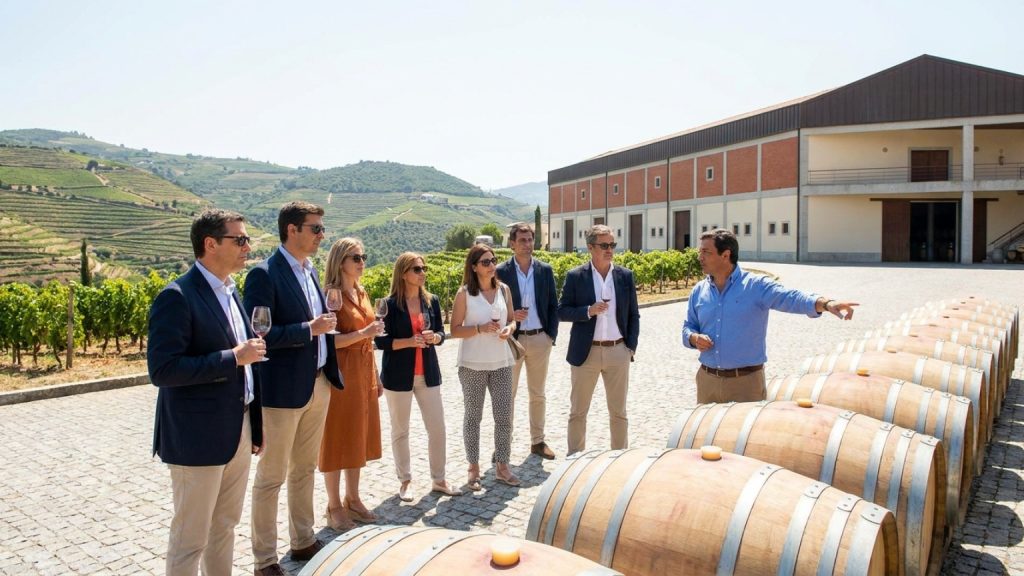
Many travelers seek experiences that combine cultural immersion with specific interests. They often wonder how to explore a region’s heritage beyond typical landmarks. This desire for deeper engagement can lead to questions about specialized travel, such as combining a love for wine with historical exploration.
1. What is the concept of wine tourism in the Iberian Peninsula?
Wine tourism in the Iberian Peninsula involves visiting regions known for wine production. This activity combines wine tasting with a deep exploration of local culture, history, and gastronomy. It offers a distinct way to understand the character of a specific area. The concept goes beyond simply consuming wine; it provides an immersive experience provides immersive experience.
- Regional Exploration: Wine tourism guides visitors through iconic wine-producing areas. For example, a trip might include the Rioja region in Spain or the Douro Valley in Portugal. These visits often feature tours of vineyards and cellars.
- Cultural Connection: This type of travel links guests with the rich heritage and traditions of wine-growing communities. Visitors can explore historic wineries or learn about traditional grape cultivation methods. This connection offers a deeper understanding of regional identity.
- Gastronomic Pairing: Wine tourism emphasizes the strong relationship between local food and regional wines. Travelers enjoy meals designed to complement local vintages. This creates a complete sensory experience for the palate.
- Experiential Activities: The experience extends beyond simple tastings. Guests might participate in vineyard walks, attend harvest events, or join workshops on winemaking. These activities allow for active engagement with the wine production process.
- Local Development: This tourism supports the economy of rural areas. It brings visitors and creates jobs in smaller towns. It also helps preserve traditional landscapes and cultural practices.
Therefore, wine tourism in the Iberian Peninsula presents a comprehensive cultural and sensory journey. It allows individuals to connect deeply with the land, its people, and its traditions.
2. Why is wine tourism in the Iberian Peninsula a significant experience?
Wine tourism in the Iberian Peninsula offers a deep dive into ancient winemaking traditions. This experience combines rich cultural heritage with diverse gastronomic delights. Visitors can explore historical vineyards and learn about local viticulture. It provides a unique connection to the land and its people.
- Historical Depth: The peninsula has a long history of winemaking. Roman and Phoenician influences shaped these traditions over centuries.
- Diverse Terroirs: Spain and Portugal boast varied climates and soils. This leads to a wide range of distinct wine styles, for example, the robust Tempranillo from Rioja or the unique Port wine from the Douro Valley.
- Cultural Immersion: Wine regions often feature quaint villages and local festivals. These visits allow for interaction with local customs and crafts, enriching the travel experience.
- Gastronomic Pairings: Local wines pair perfectly with regional cuisine. This creates a complete sensory experience, highlighting the flavors of each area.
- Sustainable Practices: Many wineries now focus on organic or biodynamic methods. This commitment supports environmental health and authentic flavors in the wines.
Overall, an Iberian wine tour offers more than just tasting wine. It presents a comprehensive journey through culture, history, and natural beauty.
3. How to approach the planning of wine tourism in the Iberian Peninsula?
Planning wine tourism in the Iberian Peninsula requires careful consideration of several factors. It involves more than just visiting wineries. A successful trip integrates local culture, gastronomy, and regional specificities. This approach ensures a rich and memorable experience for visitors.
- Region Selection: The Iberian Peninsula offers diverse wine regions, each with unique characteristics. For example, the Rioja Alavesa region in Spain is known for its modern architecture and full-bodied red wines, while the Douro Valley in Portugal specializes in Port wine and terraced vineyards. Careful selection matches the region to a traveler’s specific interests.
- Timing and Seasonality: The time of year significantly impacts a wine tourism experience. The harvest season, typically late summer to early autumn, provides an opportunity to see winemaking in action. However, other seasons offer milder weather and fewer crowds, which can improve accessibility to popular estates.
- Transportation Logistics: Efficient travel between vineyards and towns is crucial. Renting a car provides flexibility, but some wine routes are better explored with a local driver or a guided tour because of winding roads and tasting activities. Public transport options are often limited in rural wine regions.
- Accommodation Choices: Staying at a vineyard estate or a boutique hotel in a wine-producing town enhances the immersion. These accommodations often offer direct access to tastings, gourmet meals, and scenic views. Early booking is essential, especially during peak seasons, to secure preferred options.
- Advance Reservations: Many wineries, particularly smaller, family-run establishments, require appointments for tours and tastings. Booking in advance prevents disappointment and ensures availability, especially for popular experiences or during busy periods. This also allows the wineries to prepare for visitors.
Careful planning ensures a rich and memorable wine tourism experience. It allows visitors to fully appreciate the diverse offerings of the Iberian Peninsula.
4. What steps to take for an enriching wine tourism journey in the Iberian Peninsula?
Planning a wine tourism journey in the Iberian Peninsula requires careful consideration to ensure a memorable experience. The region offers diverse wine styles and rich cultural heritage. Taking specific steps before and during the trip enhances the enjoyment of its vineyards and traditions. A well-prepared itinerary allows for deeper engagement with the local winemaking culture.
- Research wine regions: Different areas specialize in distinct wine varieties and production methods. For example, the Rioja region in Spain is famous for its red wines, while the Douro Valley in Portugal excels in Port wine. Understanding these differences helps in selecting destinations that match personal preferences.
- Plan logistics and transport: Consider how to travel between wineries and cities. Renting a car offers flexibility, but some regions also provide organized tours or public transport options. Booking accommodation near the chosen vineyards can reduce travel time.
- Book winery visits in advance: Many wineries, especially smaller, family-run establishments, require reservations for tours and tastings. Popular vineyards often book up quickly, particularly during peak season. Confirming appointments prevents disappointment and ensures access to desired experiences.
- Explore local cuisine and culture: Wine tourism extends beyond just tasting wine. Integrating visits to local markets, traditional restaurants, and historical sites enriches the overall experience. This approach provides a broader understanding of the region’s identity.
- Learn basic phrases: Knowing a few simple phrases in Spanish or Portuguese can greatly improve interactions with locals. Even a simple «hello» or «thank you» demonstrates respect and can open doors to more authentic experiences. Communication enhances the connection with winemakers and local communities.
Following these steps helps create a rewarding and immersive wine tourism journey. Thoughtful preparation allows visitors to fully appreciate the unique flavors and stories of the Iberian Peninsula.