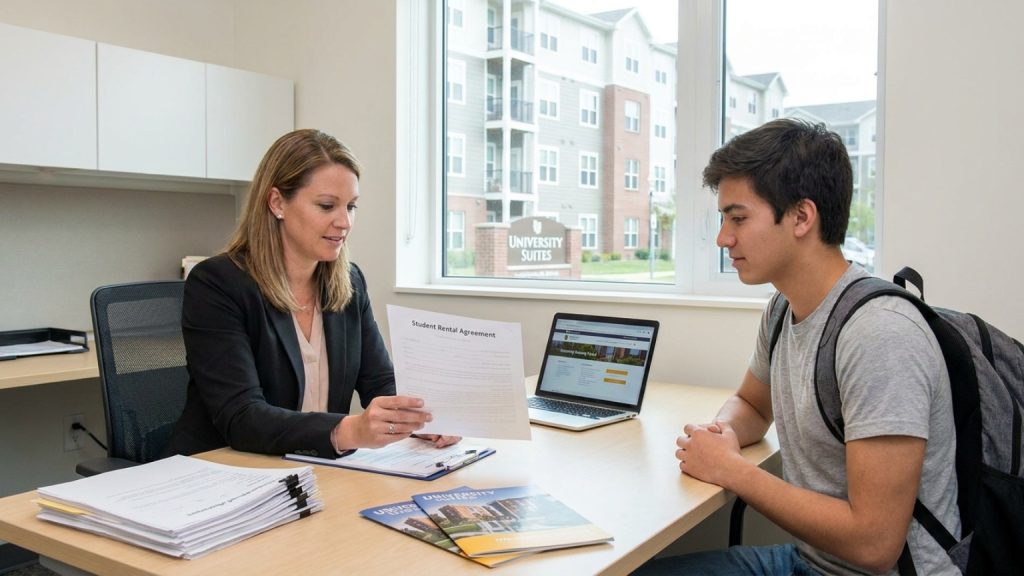
Property owners often face specific challenges when renting to students. These can include high tenant turnover, varying lease terms, and the need for frequent property maintenance. Understanding the nuances of this market is crucial for successful investment. This guide explores the key aspects of managing student rentals.
1. What is the definition of managing student rentals?
The management of student rentals involves overseeing residential properties specifically designed for students. This specialized approach includes various tasks to ensure a smooth living experience for tenants and efficient operation for property owners. It addresses the unique needs and challenges associated with the student demographic.
- Tenant Sourcing: This involves finding and screening prospective student tenants for available properties. For example, a manager might verify a student’s enrollment status and financial stability before approving a rental application.
- Lease Administration: This covers drafting, negotiating, and enforcing rental agreements tailored for students. Clear terms and conditions are crucial for both the student and the property owner.
- Property Upkeep: This focuses on maintaining the physical condition of the rental units and common areas. A common task includes arranging prompt repairs for issues such as a leaky faucet or a malfunctioning appliance.
- Financial Handling: This includes collecting rent payments, managing security deposits, and overseeing property-related expenses. Accurate financial record-keeping ensures transparency for all involved parties.
- Student Relations: This involves providing support and addressing concerns specific to student residents. Managers often help resolve roommate conflicts or answer questions about local amenities and university access.
Effective management of student rentals creates a stable and supportive environment for students during their academic pursuits. It also helps property owners protect their investments and maintain consistent occupancy rates.
2. Why is effective management of student rentals beneficial?
Effective management of student rentals offers significant advantages for all parties involved. It ensures a positive experience for both students and property owners. This approach helps maintain property value and fosters a stable living environment. It also addresses common challenges inherent in student housing inherent student housing.
- Ensures tenant satisfaction: A well-managed property provides a better living experience for students. This often leads to longer tenancy and positive referrals from current residents.
- Protects property value: Regular maintenance and timely issue resolution safeguard the asset. For example, addressing a small leak quickly prevents major water damage to the building.
- Improves financial returns: Effective management minimizes vacancies and ensures timely rent collection. This creates a consistent income stream for property owners.
- Ensures legal compliance: Adhering to local housing laws and regulations is crucial for rental operations. Proper management helps avoid legal disputes and potential fines.
- Reduces administrative burden: Handling contracts, maintenance requests, and tenant communications can be complex. A structured management approach simplifies these tasks significantly for owners.
Ultimately, effective management creates a more successful and less stressful rental experience. This benefits students with better homes and owners with reliable investments.
3. How is the process of managing student rentals structured?
The process of managing student rentals involves several distinct phases. This structured approach helps ensure a smooth experience for both students and property owners.
It also addresses the specific needs of student tenants, such as flexible lease terms and furnished properties. For example, a well-structured management plan begins long before a student moves into a property.
- Property Marketing: This phase focuses on advertising available student properties to a target audience. It includes creating listings, taking quality photos, and highlighting key features like proximity to universities or amenities.
- Tenant Screening: This step involves evaluating potential student tenants to ensure suitability and reliability. It often includes verifying student enrollment, checking references, and confirming financial stability.
- Lease Agreement: A formal contract outlines the terms and conditions of the rental period. This document details rent amounts, payment schedules, responsibilities of both parties, and duration of the lease.
- Maintenance and Support: Property managers handle all repairs and general upkeep to keep the property in good condition. This also includes providing ongoing support to students for any issues that arise during their tenancy.
- Rent Collection: This involves managing the timely collection of rent payments from students. It establishes clear payment methods and ensures financial records are accurately maintained.
A structured management process simplifies the complexities of student housing. It provides clarity and support, making the rental experience efficient for everyone involved.
4. What are the essential steps for managing student rentals?
The management of student rentals involves several key processes. These steps ensure a smooth experience for both property owners and student tenants. Careful attention to each stage helps maintain the property and supports tenant satisfaction. This approach also reduces potential issues during the tenancy period.
- Property Preparation and Marketing: Preparing the property for students is crucial. This includes furnishing the space appropriately and advertising it on relevant platforms; for example, ensuring a reliable internet connection is often a top priority for students.
- Tenant Screening and Selection: A thorough screening process helps find suitable tenants. This involves checking references, verifying student status, and reviewing financial stability. For instance, a landlord might request proof of enrollment and a guarantor.
- Lease Agreement and Documentation: A clear and comprehensive lease agreement protects all parties. This document outlines rent terms, responsibilities, and rules for the property. For example, it defines policies on guests, noise, and maintenance requests.
- Property Maintenance and Support: Regular maintenance keeps the property in good condition. Providing prompt support for tenant inquiries also improves the living experience. If a plumbing issue arises, quick action by the management prevents larger problems.
- Rent Collection and Financial Management: An efficient system for collecting rent is necessary. This also includes managing deposits and handling any overdue payments. For example, setting up automatic payments can simplify the process for students and management.
Following these essential steps helps create a well-managed student rental environment. This structured approach benefits property owners by ensuring steady occupancy and provides students with a comfortable home.