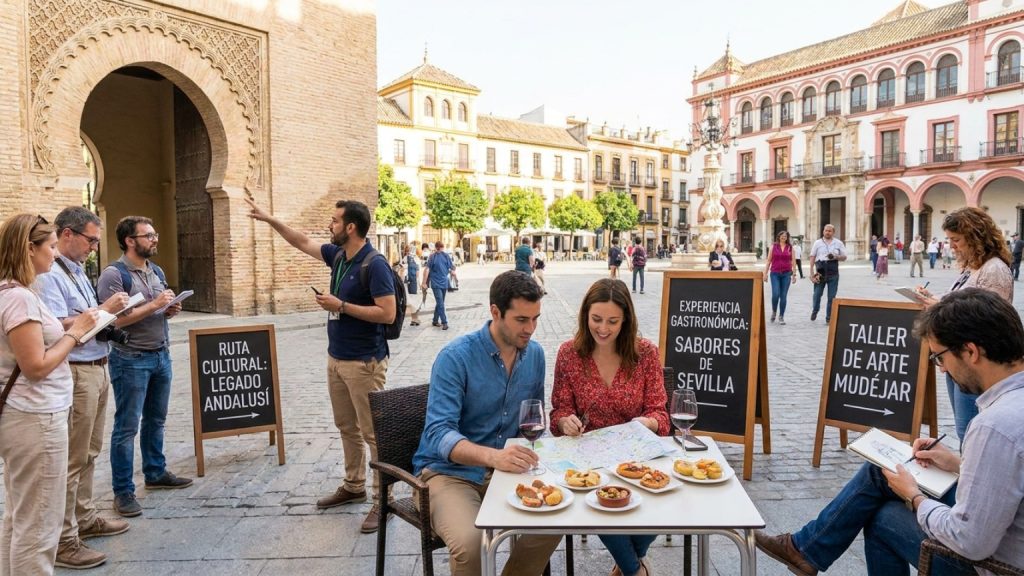
Many travelers often find standard tours repetitive or lacking in personal connection. The desire for a more immersive and specialized experience is growing. This shift highlights a need for journeys that align with specific passions. Understanding themed travel to Spain offers a solution for those seeking unique adventures.
1. What defines the concept of themed travel to Spain?
Themed travel to Spain involves journeys centered around a specific interest or passion. This approach allows visitors to immerse themselves deeply in a particular aspect of the country. It moves beyond general sightseeing to offer a more focused and enriching experience.
- Cultural Exploration: This type of travel centers on Spain’s rich history, art, and traditions. For example, a traveler might follow the footsteps of Roman emperors or explore the Moorish heritage in Andalusia.
- Gastronomic Journeys: Themed trips often highlight regional cuisines, local products, and wine routes. A visit could focus entirely on tasting Galician seafood or exploring the olive oil production in Jaén.
- Artistic and Architectural Routes: Travelers can explore specific artistic movements, famous artists, or architectural styles. One popular option involves discovering the works of Antoni Gaudí in Barcelona or tracing Salvador Dalí’s life in Catalonia.
- Nature and Adventure: These themes focus on Spain’s diverse landscapes and outdoor activities. This includes hiking through national parks, cycling along coastal paths, or birdwatching in specific natural reserves.
Themed travel provides a deeper understanding of Spain’s multifaceted identity. It creates memorable experiences tailored to individual interests.
2. Why is the choice of themed travel to Spain a valuable experience?
Themed travel to Spain offers a distinct and enriching way to explore the country. This approach allows travelers to delve deeply into specific interests, moving beyond typical tourist paths.
It provides a focused lens, creating a more personal and memorable journey. Therefore, themed travel represents a valuable experience for those seeking a deeper connection with Spain’s culture and heritage.
- Deep cultural immersion: Themed travel provides a focused lens on Spain’s rich heritage. For example, a culinary tour explores regional flavors and traditional cooking methods, offering insight into local life.
- Personalized experience: Travelers choose themes aligning with their passions, such as art, history, or nature. This approach ensures a highly relevant and engaging itinerary tailored to individual interests.
- Expert guidance: Specialized guides often lead themed trips, offering in-depth knowledge and local insights. Their expertise enhances understanding of the chosen theme and its context.
- Unique perspectives: It reveals aspects of Spain often missed by conventional tours. For instance, a wine route uncovers specific vineyards, their unique production methods, and the local viticulture history.
- Stronger connections: Shared interests among travelers foster camaraderie and meaningful interactions. This creates a supportive environment for exploration and learning alongside like-minded individuals.
Themed travel thus offers a distinct and enriching way to discover Spain. It creates profound and lasting travel memories through focused exploration and deeper engagement.
3. How is the planning of themed travel to Spain approached?
The planning of themed travel to Spain involves a detailed, multi-stage process. This approach ensures each journey aligns with specific interests, providing a rich cultural experience.
It moves beyond standard tourism by focusing on particular historical periods, artistic movements, or regional traditions. For example, a trip might focus solely on Roman ruins in Andalusia or the pilgrimage route of the Camino de Santiago.
- Defining the theme: The first step involves clearly identifying the core theme of the trip. This could be anything from gastronomy and wine to Moorish architecture or specific festivals.
- Research and route design: Extensive research then informs the creation of a coherent itinerary. This includes selecting specific sites, events, and activities that directly support the chosen theme. A culinary tour, for instance, maps out visits to local markets, cooking classes, and renowned eateries.
- Expert collaboration: Specialists often work with local guides and experts who possess deep knowledge of the chosen theme. Their insights enhance the experience and provide unique perspectives that might otherwise be missed.
- Logistics and customization: All travel logistics, such as accommodation, transportation, and dining, are carefully arranged to complement the theme. The itinerary is also customized to fit the traveler’s preferences, ensuring a personalized journey.
This structured planning ensures a cohesive and deeply engaging travel experience in Spain. It allows travelers to explore specific aspects of Spanish culture and history in a focused and meaningful way.
4. What are the actionable steps for themed travel to Spain?
Themed travel to Spain involves focusing a trip around a specific interest or activity. This approach allows travelers to explore the country’s rich culture and history through a unique lens. Proper planning ensures a cohesive and enriching experience tailored to individual preferences.
- Define the theme: A traveler must first choose a specific theme for their journey. For example, a person might select a culinary theme to explore Spanish gastronomy, focusing on tapas routes or wine regions.
- Research destinations: Researching specific regions and cities that align with the chosen theme is crucial. A historical theme could lead a traveler to Andalusia for Moorish heritage sites or to Castilla y León for medieval castles.
- Plan the itinerary: Creating a detailed itinerary that integrates the theme into daily activities is essential. This includes booking specific tours, workshops, or events related to the chosen interest, such as a flamenco show in Seville.
- Consider local expertise: Engaging with local guides or specialists can greatly enhance the themed experience. They offer unique insights and access to places not always available to independent travelers.
- Allocate budget and time: Proper allocation of financial resources and time ensures the theme can be fully explored. A wine-tasting tour through La Rioja, for instance, requires specific time and budget considerations for tastings and transportation.
Following these steps helps travelers create a deeply personal and memorable journey. This structured approach transforms a general visit into a focused exploration of Spain’s diverse offerings.