Property acquisition can present unforeseen challenges. Many buyers discover hidden defects or structural issues only after a purchase is complete. This situation often leads to significant financial burdens and unexpected complications. Understanding the condition of a property before commitment is therefore crucial for a secure investment.
1. What does the technical validation of properties involve?
Technical validation of properties is a detailed examination of a real estate asset’s physical and legal condition. This process aims to identify potential risks, defects, or non-compliance issues before a purchase. It provides an objective assessment of the property’s true state, helping to ensure a sound investment ensure sound investment.
- Structural assessment: This involves checking the building’s main elements such as foundations, walls, and the roof. A specialist looks for signs of damage, instability, or wear that could impact safety or require costly repairs. For example, large cracks in a load-bearing wall would require further investigation.
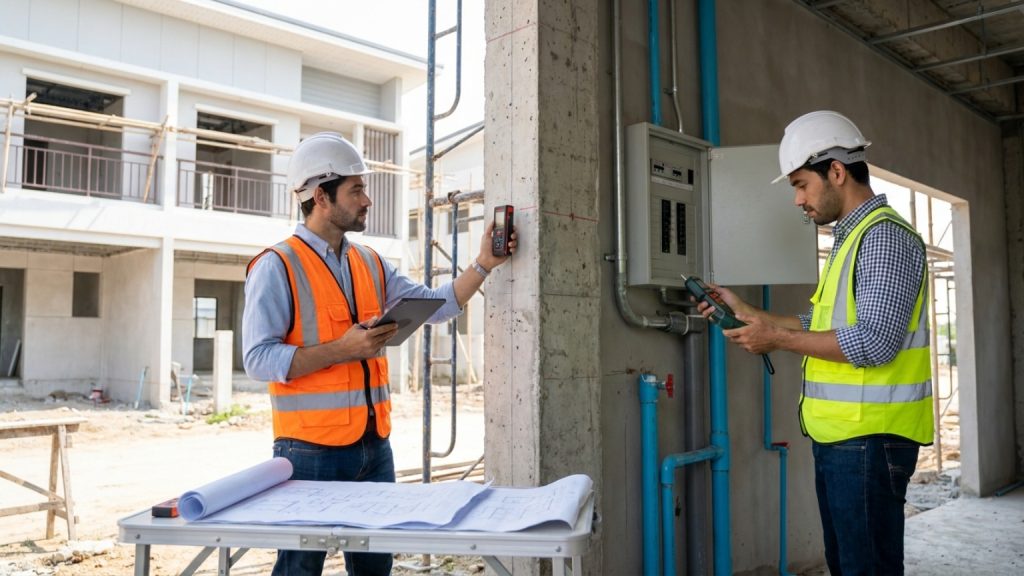
- Installations review: An inspection of essential systems like plumbing, electrical wiring, and heating or cooling units is conducted. The goal is to verify functionality, safety, and compliance with current regulations. An old electrical panel might need an upgrade to meet modern safety standards.
- Legal and urban planning compliance: This step ensures the property adheres to local building codes, zoning laws, and any relevant permits. It confirms that all constructions, including extensions or renovations, were legally approved. For instance, an unpermitted backyard shed could cause issues later.
- Energy efficiency evaluation: Experts assess the property’s energy performance, examining insulation quality, window types, and heating systems. This helps predict future energy costs and potential environmental impact. A home with single-pane windows likely has lower energy efficiency.
- Environmental risk analysis: This part identifies potential environmental hazards affecting the property. It includes checking for issues like soil contamination, flood risk, or proximity to industrial pollution sources. A property located in a known flood zone might require special insurance.
This comprehensive technical review minimizes surprises and protects the buyer’s interests. It allows for informed decisions based on a clear understanding of the property’s condition.
2. Why is the technical validation of properties crucial?
Technical validation of properties is essential before any purchase or significant investment. This process ensures the structural integrity and legal compliance of a property. It also helps identify potential hidden defects that could lead to costly repairs later. A thorough validation protects the buyer from unexpected problems and financial risks.
- Detecting structural flaws: A technical validation identifies issues like cracks in foundations or damaged supporting beams. For example, a hidden leak in the roof structure can cause significant damage over time if not detected early.
- Verifying legal compliance: This process checks if the property meets all local building codes and zoning regulations. It ensures that all extensions or modifications have the necessary permits, avoiding future legal disputes.
- Assessing hidden defects: Specialists look beyond superficial appearances to find problems with plumbing, electrical systems, or insulation. Discovering these issues early prevents expensive repairs after the purchase.
- Protecting financial investment: The validation provides a clear picture of the property’s true condition and value. This information allows a buyer to make informed decisions and negotiate effectively.
- Ensuring safety for occupants: It confirms that the property’s systems and structure are safe and functional. This includes checking for proper ventilation, secure electrical wiring, and stable construction.
Therefore, technical validation is a critical step in any property transaction. It provides peace of mind and secures the long-term value of the investment.
3. How is the technical validation of properties carried out?
Technical validation of properties involves a detailed examination of a property’s physical and legal status. This essential process ensures the property meets specific construction and safety standards.
It also protects potential buyers from unexpected issues or costly repairs after a purchase. For example, discovering unpermitted construction after buying a home can lead to fines and legal complications.
- Structural integrity: An expert conducts a thorough inspection of the building’s foundation, walls, and roof. This examination identifies any cracks, water damage, or structural weaknesses that could require significant repairs later.
- Legal documentation review: The specialist carefully examines all property titles, construction permits, and local zoning regulations. This critical step confirms the property’s legal standing and ensures all existing structures comply with local laws.
- Utility and systems check: The plumbing, electrical, and heating systems undergo a comprehensive inspection by qualified technicians. Any outdated or faulty installations are identified, preventing future operational problems and safety concerns.
- Environmental and location analysis: The surrounding area is assessed for potential risks such as flood zones, ground stability, or significant noise pollution. This evaluation provides crucial insight into external factors that might affect the property’s long-term value.
- Boundary verification: Property lines are precisely confirmed using official land records and physical markers on site. This process helps prevent any future disputes with neighbors regarding actual land ownership.
This comprehensive approach provides significant peace of mind for buyers. It also serves as a critical step in making informed and secure real estate decisions.
4. What steps should be followed for effective technical property validation?
Effective technical property validation involves a systematic review of a property’s physical, legal, and environmental aspects. This process ensures the property meets all necessary standards and regulations. Following specific steps helps uncover potential issues before a commitment is made, providing clarity and confidence for any transaction.
- Document Review: This step involves a thorough examination of all relevant legal and technical documents. It includes reviewing property titles, building permits, architectural plans, and any existing surveys. For example, a missing permit for a recent extension could lead to future legal complications for the property owner.
- Physical Inspection: A qualified specialist conducts a detailed physical assessment of the property. This inspection checks the structural integrity, electrical systems, plumbing, and overall condition of the building. Discovering significant dampness in the basement or outdated wiring during this phase helps quantify potential repair costs.
- Environmental Assessment: This step identifies any environmental risks associated with the property or its surroundings. It can include checks for soil contamination, proximity to flood zones, or potential noise pollution sources. For instance, a property located near a former industrial site might require soil testing to ensure safety.
- Valuation Analysis: An expert assesses the property’s market value based on its condition, features, and location. This analysis compares the property against similar ones in the area, taking into account any defects found during validation. This helps determine if the asking price is fair given the property’s true state.
- Legal and Regulatory Compliance: This step confirms the property adheres to local zoning laws, building codes, and land use regulations. It ensures the property’s intended use is permissible and that no outstanding legal issues exist. For example, a property might be advertised for residential use but is located in a commercial-only zone, which could restrict future modifications.
These detailed steps are crucial for making informed decisions regarding property acquisition. A comprehensive technical validation process protects against unforeseen problems and ensures long-term property value.