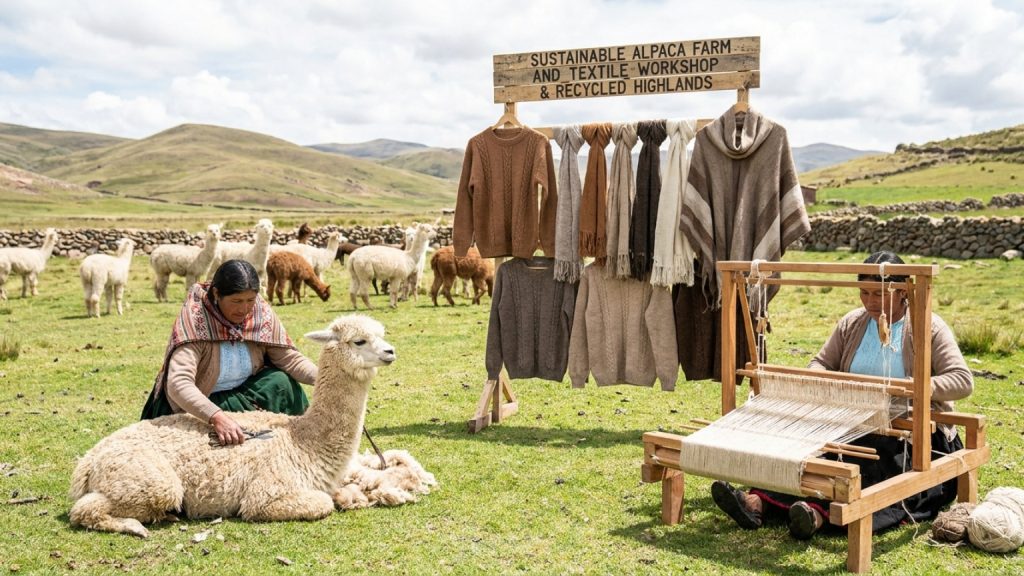
Finding clothing that aligns with both your personal style and environmental values can be challenging. You might wonder if true luxury can also be responsible. We understand this dilemma, and we believe sustainable alpaca clothing offers a compelling answer. It combines exceptional comfort with ethical production practices.
1. What is the definition of sustainable alpaca clothing?
Sustainable alpaca clothing refers to apparel made with environmentally friendly, socially responsible, and economically fair practices. This approach considers the entire lifecycle of a garment, from the raising of alpacas to the final product.
It ensures that every step minimizes harm to the planet and supports the well-being of people. Such clothing offers a responsible choice for consumers.
- Environmental Impact: Sustainable alpaca farming has a low environmental footprint. Alpacas are gentle grazers with soft padded feet, which protects pastures from erosion. For example, they do not damage the root systems of grasses.
- Animal Welfare: Ethical practices ensure alpacas live in good conditions and are treated humanely. This includes providing proper nutrition, shelter, and gentle shearing methods that do not cause stress or injury to the animals.
- Social Responsibility: Production involves fair labor practices and supports local communities. Artisans and workers receive fair wages and safe working conditions, contributing to their economic stability.
- Longevity and Durability: Sustainable alpaca garments are known for their high quality and lasting wear. Their natural strength and resilience mean they last longer, reducing the need for frequent replacements and minimizing textile waste.
- Resource Efficiency: The processing of alpaca fiber often uses fewer resources compared to other materials. It requires less water and chemicals for cleaning and dyeing, making it a more resource-efficient option.
Ultimately, sustainable alpaca clothing offers a blend of luxury and responsibility. It allows you to enjoy premium comfort while supporting practices that benefit the environment and human welfare.
2. Why is the choice of sustainable alpaca clothing important?
Choosing sustainable alpaca clothing offers significant benefits beyond personal comfort. This choice supports environmental health and ethical practices in the fashion industry. When you select sustainable alpaca, you contribute to a better future for both people and the planet. It represents a mindful decision that impacts various aspects of production various aspects production.
- Reduced environmental impact: Alpaca farming naturally uses fewer resources than other livestock. For example, alpacas have soft padded feet, so they do not damage fragile ecosystems.
- Ethical treatment of animals: Sustainable alpaca production prioritizes animal well-being. Alpacas are raised in natural habitats, given proper care, and shorn humanely without stress.
- Support for fair labor practices: Choosing sustainable alpaca supports fair wages and safe conditions for artisans. Many producers work directly with local communities, ensuring fair compensation.
- Long-lasting quality: Sustainable alpaca garments are known for strength and durability. This means your clothing will last for many years, reducing waste and the need for new items.
- Biodegradable and natural: Alpaca fiber is a natural material that breaks down safely. Unlike synthetics, it does not contribute to microplastic pollution.
Therefore, choosing sustainable alpaca clothing is a meaningful decision for conscious consumers. You invest in high-quality items that also align with your values for environmental and social responsibility.
3. How to identify authentic sustainable alpaca clothing?
Identifying authentic sustainable alpaca clothing requires careful attention to specific details. Consumers want to ensure their purchases align with ethical sourcing and high-quality standards. Understanding key indicators helps you make informed decisions when shopping for these garments.
- Fiber composition label: Always check the product label for the exact fiber content. Authentic alpaca items will clearly state «100% Alpaca» or a precise blend, such as «70% Alpaca, 30% Silk.»
- Certifications and standards: Look for certifications from recognized organizations that verify sustainable practices. For example, some brands might display a Responsible Alpaca Standard (RAS) logo, which confirms animal welfare and land management.
- Brand transparency: Reputable brands often share detailed information about their supply chain and production methods. They explain where their alpaca comes from and how it is processed.
- Feel and texture: Genuine alpaca feels incredibly soft, smooth, and lightweight, without any scratchiness. When you feel a sweater, it should drape well and feel warm but not bulky.
- Quality of construction and finish: Examine the garment’s stitching, seams, and overall craftsmanship. High-quality alpaca clothing shows careful attention to detail and durable construction.
Paying attention to these details helps you confidently choose truly sustainable alpaca products. Your informed selection supports both ethical production and the longevity of your clothing.
4. What are the best practices for the care of sustainable alpaca clothing?
Caring for sustainable alpaca clothing properly extends its lifespan and preserves its natural qualities. Good care practices are essential because they support the garment’s sustainable nature. Alpaca fiber is soft and durable, but it needs gentle handling to maintain its beauty and shape. Following specific guidelines helps you enjoy your alpaca pieces for many years.
- Washing: Hand wash your alpaca items in cold water with a mild, pH-neutral soap. Gently squeeze the water out without twisting or stretching the fabric.
- Drying: Lay the garment flat on a clean, dry towel to air dry. For example, if you hang a wet alpaca sweater, it will stretch out of shape due to the weight of the water.
- Storage: Fold your alpaca clothing and store it in a breathable container or drawer. Keep it away from direct sunlight and use cedar blocks to deter moths.
- Pilling: If small fiber balls, called pills, appear, gently remove them with a fabric shaver or a specialized comb. This simple step helps keep your garment looking new and smooth.
- Stains: Treat any stains quickly by dabbing the area with a damp cloth and mild soap. Avoid rubbing vigorously or using harsh chemical cleaners, as these can damage the delicate fibers.
Following these care practices ensures your alpaca clothing remains a cherished item in your wardrobe. This mindful approach to garment care also aligns with the principles of sustainable fashion.