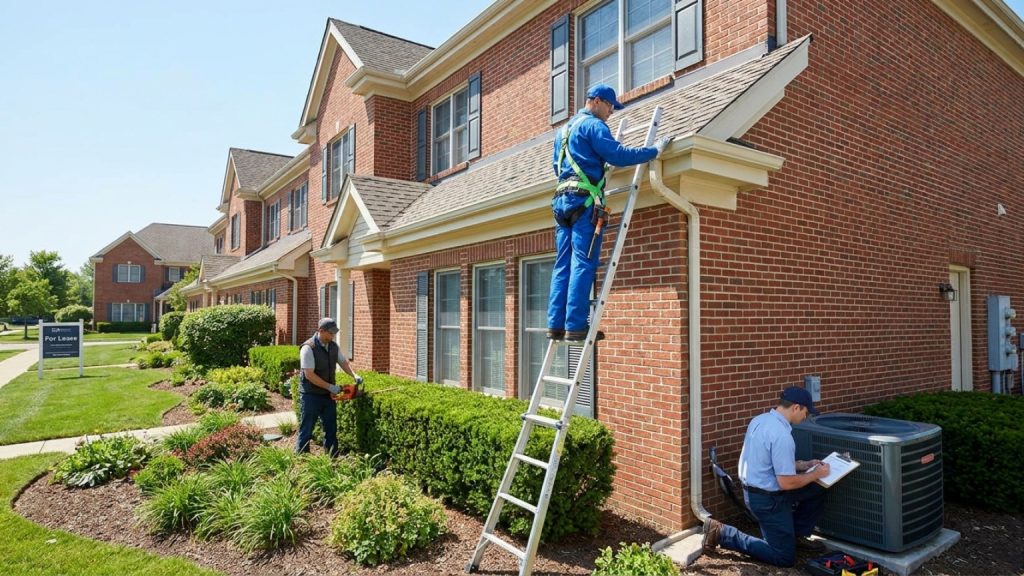
Are you concerned about the ongoing condition of your property? Many owners face challenges with upkeep, whether due to time constraints or distance. We understand these worries. Effective property maintenance protects your investment, ensuring its value and functionality. We help you address these concerns.
1. What is the scope of property maintenance for your asset?
Property maintenance covers all actions needed to keep your asset in good condition. It includes routine tasks, necessary repairs, and preventive care. A wide scope of maintenance helps protect your investment and ensures its long-term value. This also ensures the property remains functional and appealing.
- Structural Maintenance: This involves caring for the building’s main parts, like the roof, walls, and foundation. Regular checks prevent major issues such as leaks or cracks, which can be costly to fix.
- System Checks: This includes inspecting and maintaining electrical, plumbing, and heating systems. For example, clearing drains regularly prevents blockages, and checking electrical outlets reduces fire risks.
- Aesthetic Upkeep: This focuses on the property’s appearance, both inside and out. Painting, gardening, and cleaning common areas ensure the asset looks attractive and inviting.
- Preventive Care: This means taking steps to avoid problems before they happen. Servicing air conditioning units annually is a good example; it extends their life and improves efficiency.
- Safety and Compliance: This covers ensuring the property meets all local safety standards and regulations. Installing working smoke detectors and maintaining emergency exits are key parts of this aspect.
Understanding the full range of property maintenance is vital for any asset owner. It goes beyond simple fixes, ensuring your property stays valuable, safe, and ready for use.
2. Why is the proactive approach to property maintenance crucial for value?
A preventive approach to property maintenance is essential for protecting and increasing your investment’s value. This method focuses on preventing problems before they start, rather than reacting to existing damage. It ensures your property remains in excellent condition, which is key for long-term financial health.
- Preserves Asset Value: Regular and timely checks stop small issues from becoming major, expensive repairs. For example, fixing a minor roof leak quickly prevents extensive water damage to ceilings and walls.
- Avoids Costly Repairs: Addressing problems early is always more affordable than emergency fixes. Servicing an air conditioning unit yearly, for instance, stops it from breaking down during the hottest months.
- Ensures Tenant Satisfaction: A well-maintained property attracts and keeps good tenants. Happy tenants are more likely to renew leases, which reduces vacancy rates and turnover costs for you.
- Extends Lifespan of Components: Consistent care, like cleaning gutters or inspecting plumbing, makes systems last longer. This delays the need for expensive replacements of major appliances or structural elements.
- Improves Rental Income Potential: Properties kept in excellent condition can command higher rental prices. Guests or tenants will pay more for a home that is consistently well-maintained and fully functional.
Therefore, preventive maintenance is an investment that safeguards your property, not just an expense. It secures and grows the overall value of your asset over time.
3. How can you identify the key signs needing property maintenance?
Identifying maintenance needs early protects your investment and prevents larger issues. Property owners should conduct regular visual inspections of their homes. Small changes often indicate underlying problems that require attention. Addressing these signs quickly saves both time and money in the long run.
- Water stains and leaks: Look for discoloration on ceilings, walls, or floors. These often signal a leaky roof, faulty plumbing, or condensation issues. For example, a brown stain spreading on a bathroom ceiling could mean a pipe above is leaking.
- Cracks in walls or foundation: Small hairline cracks may be normal settlement, but larger or spreading cracks can indicate structural problems. Check exterior walls and the foundation for any significant new fissures.
- Peeling paint or damaged exterior: Weather exposure can cause paint to peel or stucco to crack. This not only looks bad but also exposes the underlying structure to moisture and further damage. Repainting or repairing the exterior protects your property.
- Unusual odors or pests: Musty smells often point to dampness or mold, especially in basements or bathrooms. The presence of pests like ants, cockroaches, or rodents can mean openings in the structure or sanitation issues.
- Malfunctioning fixtures or appliances: Pay attention if faucets drip, toilets run continuously, or appliances make strange noises. These are clear indicators of wear and tear, and they often lead to higher utility bills or complete failure if ignored.
Recognizing these common signs allows you to act promptly. Regular checks and timely repairs are crucial for maintaining your property’s value and ensuring its safety.
4. What are the actionable steps for effective property maintenance?
Effective property maintenance needs a clear plan to protect your investment. Taking preventive steps helps prevent costly repairs and keeps your property in good condition. These actions ensure the longevity and value of your asset over time. We help you make sure your property is well-cared for.
- Regular Inspections: We do routine checks to find potential issues early. This helps us address small problems before they become bigger and more expensive.
- Preventative Repairs: Fixing small issues quickly saves money in the long run. For example, repairing a dripping tap promptly prevents major water damage to walls or floors.
- Seasonal Upkeep: We prepare your property for different seasons. This includes cleaning gutters in autumn or checking air conditioning units before summer.
- Detailed Documentation: Keeping records of all maintenance work and costs is important. This information helps us track expenses and plan for future needs.
Following these steps helps your property stay well-maintained and attractive. Consistent attention to these details preserves its value and gives you peace of mind.