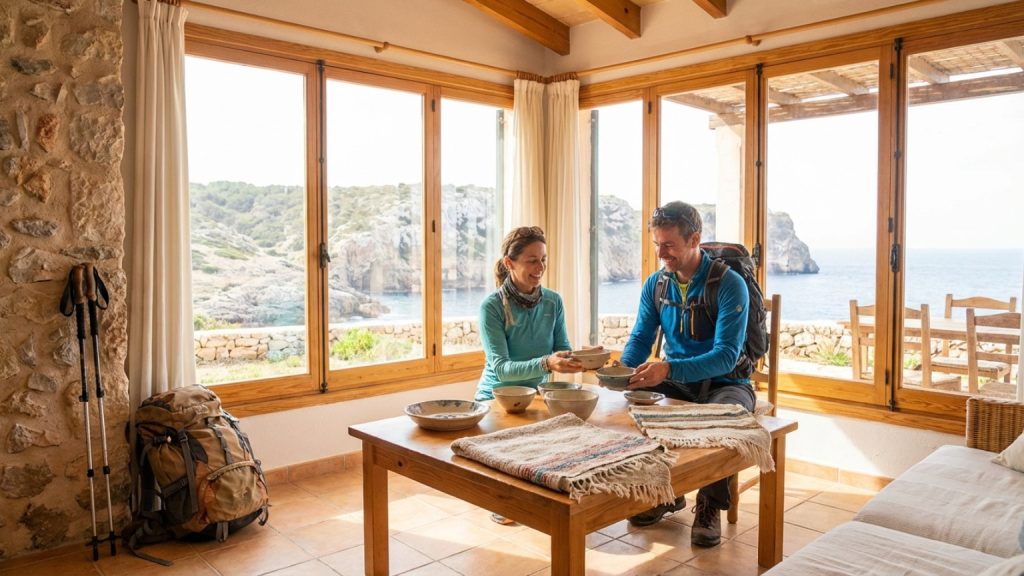
Do you often find yourself dreaming of an escape from daily routines? Perhaps you feel a deep longing for excitement and a connection with the wild. We understand this desire for something more. This article explores the essence of nature and adventure, guiding you toward experiences that truly rejuvenate.
1. What is the true meaning of nature and adventure?
Nature refers to the physical world and its phenomena, including plants, animals, and landscapes, not made by humans. Adventure is an exciting or unusual experience, often involving risk. When combined, they describe actively engaging with the natural environment. This engagement often involves exploring new places and facing personal challenges.
- Nature’s essence: This includes mountains, forests, rivers, and oceans. It represents the environment existing independently of human intervention.
- Adventure’s spirit: Adventure means stepping outside your comfort zone to explore the unknown. It involves activities like hiking, kayaking, or discovering new trails.
- Deep connection: Engaging with nature through adventure helps you feel more connected to the earth. For example, paddling a kayak down a river allows you to experience its flow directly.
- Personal growth: Facing challenges in natural settings builds resilience and confidence. Overcoming a steep climb or navigating a dense forest teaches valuable life lessons.
- New discoveries: Adventure in nature reveals hidden beauty and fosters a sense of wonder. You might find a secret waterfall or observe wildlife in its natural habitat.
The true meaning of nature and adventure lies in these unique experiences. They offer a chance to explore the world and yourself.
2. Why the pursuit of nature and adventure benefits you deeply?
Engaging with nature and adventure offers significant rewards beyond simple enjoyment. These experiences provide profound benefits for your mind and body. They improve your overall well-being and help you develop new skills.
- Mental clarity: Spending time in natural settings reduces stress and clears your mind. For example, a quiet hike through a forest can help you feel more focused and calm.
- Physical health: Adventure activities often involve physical exertion, which boosts your fitness. Kayaking, for instance, strengthens your core and arms as you explore new places.
- Problem-solving skills: Facing challenges in nature encourages adaptability and quick thinking. Navigating an unfamiliar trail teaches you to assess situations and make good decisions.
- Connection to the environment: Experiencing nature firsthand fosters a deeper appreciation for the planet. You learn about local ecosystems and their importance during your adventures.
- Increased confidence: Successfully completing an adventure goal builds self-esteem. Reaching a mountain summit or mastering a new skill makes you feel capable and strong.
Embracing nature and adventure contributes to a richer, more balanced life. These experiences help you grow personally and maintain your health.
3. How to identify the right nature and adventure experiences for you?
Finding the right nature and adventure experience means understanding what you truly want from your journey. These experiences vary greatly, from calm walks in nature to intense physical challenges. You should first consider your personal interests and current physical abilities.
- Your interests: First, think about what activities truly excite you. For example, if you enjoy wildlife, a bird-watching tour or a gentle safari might be more fulfilling than a high-adrenaline sport like whitewater rafting.
- Fitness level: Honestly assess your current physical condition. A challenging mountain hike or a multi-day kayaking trip suits an active person, while a gentle forest walk or a scenic boat ride might be better for less strenuous activity.
- Time and budget: Consider how much time and money you can realistically commit to an adventure. Multi-day expeditions often require a larger investment than a short afternoon excursion or a single-day activity.
- Desired challenge: Reflect on whether you seek a relaxing escape or an adrenaline-filled challenge. Some individuals find peace in nature’s calm, while others thrive on the thrill of overcoming a physical obstacle.
- Group preference: Decide if you prefer a solo journey, a small group experience, or a larger guided tour. Your comfort level with other people will greatly influence your enjoyment of the trip.
Matching an experience to your personal profile makes it more enjoyable and rewarding. Taking time to assess these factors ensures a memorable adventure that truly suits you.
4. What steps to take for planning your next nature and adventure trip?
Careful planning is essential for any successful nature and adventure trip. It helps you prepare for different conditions and enjoy the experience more fully. Taking the right steps ensures your journey into nature is both safe and rewarding.
- Define your adventure goal: First, decide what kind of experience you want to have. For example, do you dream of a multi-day hike through a national park or a kayaking trip along a coastal river? Knowing your goal helps you choose the right destination and activities.
- Research location and season: Next, find the best places that match your goal and research the ideal time to visit. Consider the weather, local wildlife, and accessibility of your chosen area. This helps you avoid bad weather or crowded periods.
- Assess your fitness and skills: Be honest about your physical condition and experience level for the activities you plan. If you want to try rock climbing, ensure you have proper training or a guide. Choose adventures that challenge you safely, not ones that put you at risk.
- Plan logistics and essential gear: Think about how you will get there, where you will stay, and what equipment you need. Make a list of items like appropriate clothing, navigation tools, and a first-aid kit. Packing smart will make your trip more comfortable.
- Prioritize safety and contingencies: Learn about any potential dangers in your chosen environment, such as wildlife or extreme weather. Always share your travel plans and expected return time with someone reliable. Having an emergency plan is a crucial part of responsible adventuring.
Following these steps will help you create exciting and memorable nature and adventure trips. Thoughtful preparation is the foundation for an amazing outdoor journey.