Many individuals experience frustration with traditional hair removal methods, such as shaving or waxing, due to their temporary results and frequent need for repetition. These methods often lead to skin irritation, ingrown hairs, and a constant cycle of maintenance. A more lasting solution is often sought.
1. What is the process of laser hair removal?
Laser hair removal is a cosmetic procedure designed to reduce unwanted hair. It works by using concentrated light to target hair follicles. This light absorbs the pigment in the hair, which damages the follicle and inhibits future hair growth. The process typically requires several treatment sessions to achieve noticeable and lasting results.
- Initial Consultation: A specialist first assesses the client’s skin and hair type. This step helps determine the most effective laser settings and creates a personalized treatment plan.
- Preparation for Treatment: Clients must shave the treatment area one day before the session. Avoiding sun exposure and certain skin products is also important to prevent complications.
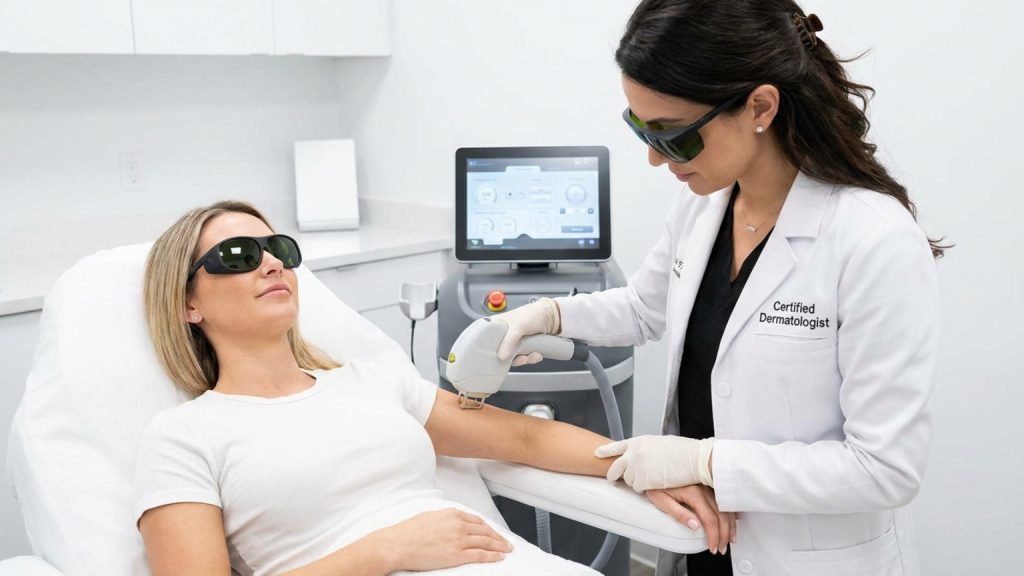
- The Treatment Session: During the procedure, a handheld device delivers laser pulses to the skin. Clients often describe the sensation as a rubber band snapping against the skin.
- Post-Treatment Care: After a session, the treated area may show some redness or mild swelling. Applying a soothing cream and avoiding direct sun exposure helps the skin recover.
- Multiple Sessions: Hair grows in different cycles, and the laser is most effective on hair in its active growth phase. Therefore, multiple sessions spaced several weeks apart are necessary to target all hair over time.
This systematic approach ensures the laser effectively targets hair at various growth stages. Consistent adherence to the treatment schedule and aftercare recommendations improves the final outcome.
2. Why consider laser hair removal for long-term results?
Laser hair removal offers a method for reducing unwanted hair over an extended period. This approach differs significantly from shaving, waxing, or depilatory creams, which provide only temporary solutions. The treatment works by targeting hair follicles, leading to a substantial decrease in hair growth. Many individuals choose this method for its enduring benefits and convenience.
- Reduced Hair Growth: Laser energy targets the pigment in hair follicles, damaging them. This process hinders the follicle’s ability to produce new hair, leading to less growth over time.
- Finer, Lighter Hair: Any hair that does regrow after treatment often appears much thinner and lighter. This makes it less noticeable and easier to manage with after sessions.
- Improved Skin Smoothness: The treatment helps prevent common issues like razor bumps, ingrown hairs, and stubble. For example, individuals often find relief from persistent ingrown hairs in areas like the bikini line or underarms.
- Time and Cost Savings: Over time, individuals save considerable time and money otherwise spent on daily shaving or regular waxing appointments. This makes it a practical choice for many seeking efficiency.
- Precision Targeting: Laser technology precisely targets hair follicles without harming the surrounding skin. This ensures effective hair reduction while maintaining skin integrity.
Considering these benefits, laser hair removal presents a valuable option for individuals seeking a more permanent approach to hair management. The treatment provides a lasting solution for smoother skin and reduced daily upkeep.
3. How is a laser hair removal session conducted?
A laser hair removal session follows a structured process to ensure safety and effective results. This procedure targets hair follicles using concentrated light energy. The specialist prepares the skin and applies the laser device to reduce unwanted hair.
- Initial Consultation: A thorough assessment of the client’s skin type, hair color, and medical history occurs. For example, a specialist evaluates if a client with very light hair and fair skin is a suitable candidate for the treatment.
- Area Preparation: The treatment area is cleansed to remove any oils or lotions. The specialist often shaves the area if any hair remains on the surface.
- Laser Application: The specialist uses a handheld laser device to deliver pulses of light to the skin. This light energy converts to heat, which damages the hair follicles and inhibits future hair growth.
- Post-Treatment Care: After the laser application, a soothing gel or cream may be applied to the treated skin. The specialist provides specific aftercare instructions, such as avoiding sun exposure.
- Follow-Up Sessions: Multiple sessions are necessary because the laser effectively targets hair in its active growth phase. These sessions are typically scheduled several weeks apart to align with the hair growth cycle.
Each session brings the client closer to achieving desired hair reduction. Consistency with these appointments and adherence to aftercare advice are crucial for optimal outcomes.
4. What to do before and after laser hair removal?
Laser hair removal requires specific preparation and aftercare steps. These actions help ensure the treatment is effective and minimizes potential side effects. Following guidelines before and after each session improves the overall experience and results.
- Avoid Sun Exposure: The skin should not be exposed to direct sunlight or tanning beds for at least four weeks before treatment. For instance, direct sun exposure on untreated skin can increase sensitivity and the risk of burns or pigmentation changes during the session.
- Shave the Treatment Area: Shaving the area 12-24 hours before the appointment is necessary. This allows the laser to target the hair follicle effectively without burning surface hair.
- Do Not Wax or Pluck: Hair removal methods that pull hair from the root, like waxing, plucking, or electrolysis, must be avoided for four to six weeks before treatment. The laser needs the hair follicle intact to work.
- Clean the Skin: On the day of the appointment, the treatment area should be clean and free of makeup, lotions, deodorants, or any topical creams. These products can interfere with the laser’s effectiveness or cause skin irritation.
- Protect Skin from Sun After Treatment: Immediately after a session, the treated skin is more sensitive to sunlight. Applying a broad-spectrum sunscreen with an SPF of 30 or higher is crucial for several weeks to prevent hyperpigmentation.
- Avoid Heat and Irritants: For 24-48 hours after treatment, activities that generate heat or irritate the skin should be avoided. This includes hot baths, saunas, strenuous exercise, and harsh exfoliating products.
Adhering to these pre- and post-treatment instructions is vital for achieving optimal results from laser hair removal. It also helps maintain skin health and comfort throughout the treatment process.