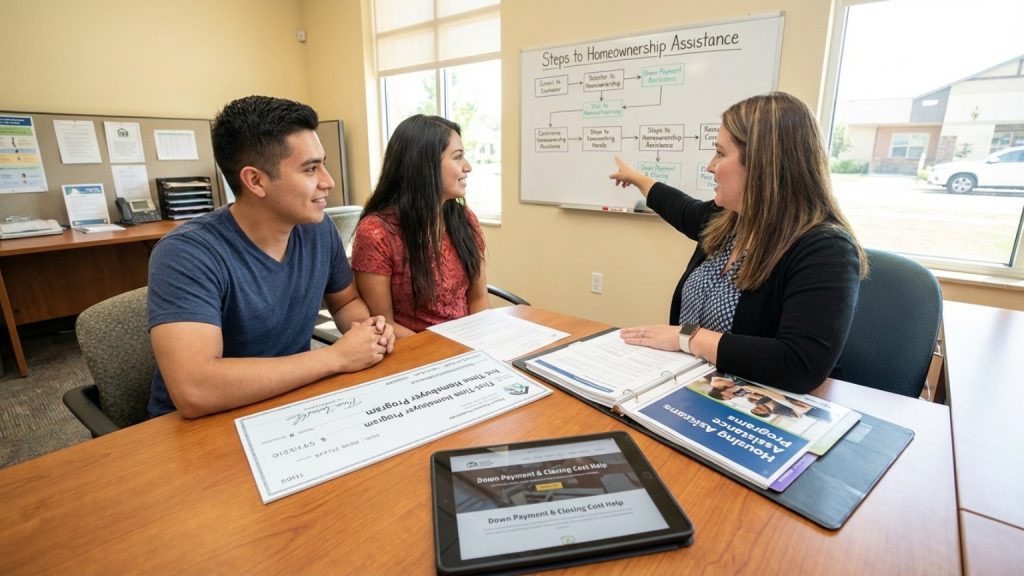
Navigating the housing market can feel overwhelming, especially with financial concerns. Many people struggle to understand the options available to make homeownership a reality. We know you might wonder how to afford your first home. This guide explains how home buying assistance can help you.
1. What is the concept of home buying assistance?
Home buying assistance refers to programs and resources designed to help individuals purchase a home. These programs often provide financial aid, educational guidance, or both, to make homeownership more accessible.
They aim to reduce common barriers, such as high down payments or closing costs. For example, a young couple buying their first home might receive help with their initial expenses.
- Down Payment Assistance: Many programs offer grants or low-interest loans to help with the initial deposit. This aid significantly lowers the upfront cost of buying a home.
- Closing Cost Assistance: Buyers can receive funds to cover fees like title insurance, appraisal costs, and legal charges. These costs can add thousands of dollars to the purchase price.
- First-Time Homebuyer Programs: These initiatives often provide special loan terms, lower interest rates, or specific grants for individuals who have not owned a home before. They remove key obstacles for new buyers entering the market.
- Educational Resources: Assistance programs frequently include workshops and counseling sessions. These resources teach you about budgeting, credit, and the entire home buying process.
Ultimately, home buying assistance helps more people achieve their dream of owning a home. These programs bridge financial gaps and provide necessary support, making the path to homeownership clearer for many.
2. Why is the support of home buying assistance crucial for your purchase?
Buying a home is a major financial and personal decision. Navigating the market alone can be overwhelming and full of potential pitfalls. Home buying assistance provides crucial support, guiding you through each step of the process. This expert help can save you time, reduce stress, and protect your investment.
- Legal clarity: The legal steps of buying a home can be complex. Assistance ensures all documents are correct and legal requirements are met, for example, verifying property titles and permits.
- Financial insight: Understanding all costs and financing options is key to a successful purchase. Expert help can connect you with suitable loan providers and clarify closing costs, such as stamp duty or notary fees.
- Market expertise: Local market knowledge is vital for making smart decisions. Assistance helps you understand fair pricing and market trends in specific areas, ensuring you do not overpay for a property.
- Negotiation support: Getting the best deal requires strong negotiation skills. With assistance, you have an advocate who can negotiate prices and terms on your behalf, aiming for favorable outcomes.
- Time efficiency: The home buying process involves many tasks, from property searches to paperwork. Assistance manages these details for you, freeing up your time and making the journey more efficient.
Engaging home buying assistance means you gain a trusted partner in your search. This support helps you make informed choices and achieve your home ownership goals with confidence.
3. How can you identify suitable programs for home buying assistance?
Identifying suitable home buying assistance programs requires careful research and understanding of your needs. Many programs exist at federal, state, and local levels, each with specific criteria. Matching your financial situation to the right program is essential for a successful home purchase. Taking this step helps you find the best support available.
- Government Websites: Federal, state, and local housing agencies are primary sources of information. These websites detail available programs, eligibility requirements, and application processes.
- Housing Counselors: HUD-approved housing counselors offer free, impartial advice. They help you understand your financial readiness and connect you with suitable programs.
- Lender Programs: Many banks and credit unions provide special loan options for first-time buyers. These often include lower down payments or favorable interest rates.
- Employer or Union Benefits: Some employers or labor unions offer housing assistance as part of their benefits package. This support can come in the form of grants or help with closing costs.
- Non-Profit Organizations: Local non-profits frequently focus on affordable housing initiatives. They may offer direct financial aid or guidance to specific community members.
Thorough investigation into these resources will help you find the best assistance for your home buying journey. Securing the right program can significantly ease the path to owning your own home.
4. What are the actionable steps for securing home buying assistance?
Securing home buying assistance involves a series of clear, actionable steps designed to help you access available funds and programs. These steps guide you through the process, making the journey to homeownership more straightforward.
Understanding each stage helps you prepare effectively and increase your chances of success. For example, a first-time buyer might feel overwhelmed, but following these steps can simplify the entire process.
- Assess your financial situation: First, understand your current income, existing debts, and credit score. This information determines which assistance programs you might qualify for. For instance, some programs require a minimum credit score to be eligible.
- Research available programs: Next, actively search for state, local, and federal assistance programs in your area. These can include grants for down payments or favorable low-interest loans. A good starting point is often your local housing authority or community development office.
- Contact a housing counselor: Many nonprofit organizations offer free or low-cost housing counseling services. These counselors can explain different options and help guide you through the complex application process. This personalized advice can be very beneficial.
- Gather required documents: Begin collecting all necessary financial statements, recent pay stubs, and tax returns. Having these documents ready in advance will speed up your application considerably. For example, you will need proof of income to verify your eligibility for most programs.
- Apply for assistance: Finally, follow the specific application instructions for each program you choose. Be thorough when completing forms and submit all required paperwork on time. This is a critical step to successfully receive the funds.
Following these structured steps can significantly improve your ability to secure the home buying assistance you need. This structured planning helps make homeownership a more achievable goal.