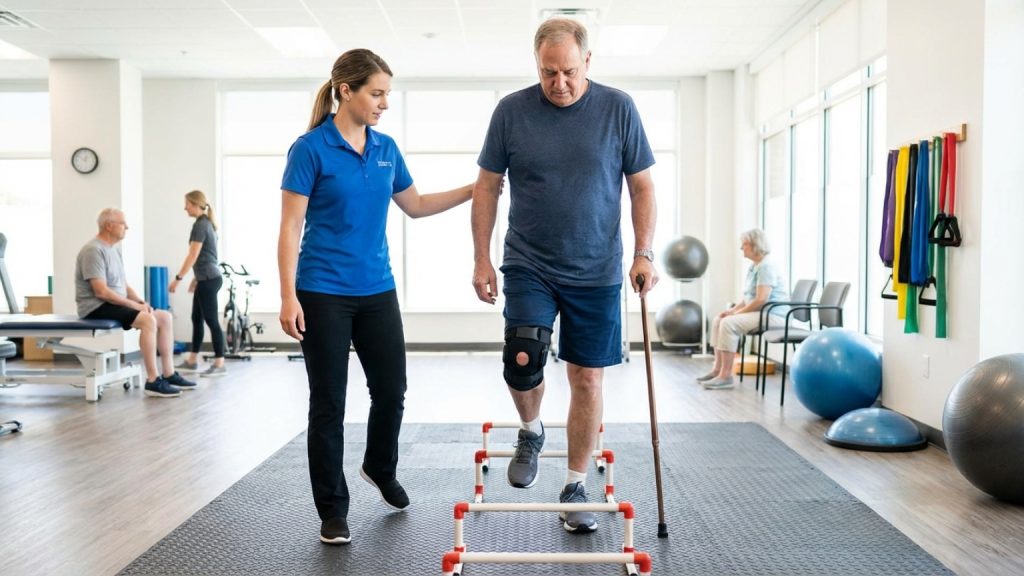
Do you experience persistent discomfort or limited movement after an injury or surgery? Many people struggle to return to their daily activities with full confidence. We understand these challenges and want to help you understand a path forward. Functional recovery offers a structured approach to regain your strength and mobility.
1. What is functional recovery: an overview of its purpose?
Functional recovery focuses on restoring a person’s ability to perform daily activities and specific movements after an injury or illness. Its main purpose is to help individuals regain independence and return to their normal routines.
This process goes beyond simply healing a wound or reducing pain; it aims to bring back the full range of physical capabilities. For example, after breaking an ankle, functional recovery helps you walk without a limp and participate in sports again, rather than just ensuring the bone mends.
- Restoring Movement: This involves bringing back the full range of motion in affected joints and limbs. Without proper movement, basic tasks like reaching or bending become difficult.
- Building Strength: Functional recovery includes exercises to rebuild muscle strength lost due to inactivity or injury. Stronger muscles support joints and improve overall physical performance.
- Improving Balance and Coordination: These skills are crucial for preventing falls and re-injury. They allow you to move safely and efficiently in various environments.
- Returning to Daily Activities: The ultimate goal is to help you comfortably perform everyday tasks like lifting groceries, climbing stairs, or working at your job. This makes sure you can live independently.
- Preventing Future Injury: By strengthening weak areas and teaching proper body mechanics, functional recovery helps reduce the risk of future injuries. It creates a more resilient body.
Functional recovery is essential for achieving lasting physical independence and a good quality of life. It ensures you can not only recover from an issue but also thrive in your daily activities.
2. Why is functional recovery essential for your daily life?
Functional recovery is crucial because it helps you regain the ability to do everyday tasks with ease. It focuses on restoring your body’s full capacity after an injury, illness, or surgery. This process ensures you can participate in all aspects of your daily routine without limitation.
- Increased Independence: Functional recovery allows you to manage personal care and household chores on your own. For example, if you recover from a knee injury, you can walk, climb stairs, and carry groceries independently.
- Reduced Pain and Discomfort: Improving movement and strength often leads to less chronic pain. When your body moves correctly, it reduces strain on joints and muscles, which makes daily activities more comfortable.
- Better Quality of Life: Being able to do the things you enjoy greatly improves your overall well-being. This includes returning to work, engaging in hobbies, and spending active time with family and friends.
- Prevention of Future Injuries: A strong and balanced body is less likely to suffer new injuries. Functional recovery builds resilience, helping your body handle the demands of daily life and physical activity more safely.
- Enhanced Mental Well-being: Regaining physical abilities can significantly boost your mood and confidence. It helps reduce stress and feelings of frustration that often come with physical limitations.
Therefore, functional recovery is not just about healing; it is about getting back to living your life fully. It makes sure you have the strength and mobility for every task you face each day.
3. How to identify the need for functional recovery?
Identifying the need for functional recovery is important for your overall well-being. This process involves recognizing signs that your body is not working at its best. These indicators can be subtle at first, but they often affect your daily activities and quality of life. Paying attention to these signals helps you address issues early.
- Persistent pain or discomfort: You might feel pain that does not go away with rest or simple home care. For example, a dull ache in your knee after walking could mean your body needs help to move correctly. This pain often limits your ability to do everyday tasks.
- Reduced range of motion: You may find it hard to move a joint fully, like lifting your arm all the way up. This can make simple actions, such as reaching for something on a high shelf, difficult. Your body’s flexibility might be decreasing.
- Loss of strength or endurance: You might feel weaker or tire easily during activities you once did without trouble. For instance, carrying groceries or walking up stairs might become harder. This shows a decline in your physical capacity.
- Balance or coordination problems: You could feel unsteady on your feet or find yourself stumbling more often. This increases your risk of falls and makes activities like walking on uneven ground challenging. Your body’s stability is compromised.
- Difficulty with daily activities: You may struggle with tasks like getting dressed, standing for long periods, or bending down. These difficulties are clear signs that your body is not working as it should. They impact your independence and comfort.
Noticing these signs is the first step toward better health. If you experience any of these issues, consider seeking professional advice. They can help you understand your body’s needs and guide you toward functional recovery.
4. What steps to follow to start your functional recovery process?
Starting your functional recovery process needs a clear and organized approach. This journey aims to help you regain full movement and strength after an injury or illness. Following specific steps ensures you make steady and safe progress toward your goals.
- Get a Professional Assessment: The first step is a thorough evaluation by a healthcare professional. They identify the exact nature of your condition and its impact on your function. For example, a doctor will diagnose if your knee pain comes from a torn ligament or simply overuse.
- Set Specific, Achievable Goals: Work with your therapist to define what «functional» means for you. Your goals should be realistic and measurable. An example goal could be to walk up a flight of stairs without pain, rather than just saying «I want to feel better.»
- Create a Personalized Treatment Plan: Your recovery plan must match your unique needs and condition. This includes specific exercises, manual therapies, and activity modifications. If you have a shoulder injury, your plan might involve gentle stretches and specific strengthening exercises for the rotator cuff.
- Maintain Consistency and Monitor Progress: Stick to your treatment plan diligently, even on days you feel less motivated. Regular check-ins with your therapist allow for adjustments based on your improvement or any challenges you face. For instance, your therapist might change your exercises as your strength increases.
- Integrate New Habits into Daily Life: Learn how to perform daily activities safely to prevent future injuries. This involves practicing proper body mechanics and continuing exercises at home. For example, learning how to lift heavy objects correctly can prevent a back injury from returning.
Following these steps with commitment and expert guidance helps you restore your function. This structured approach is key to improving your overall quality of life.