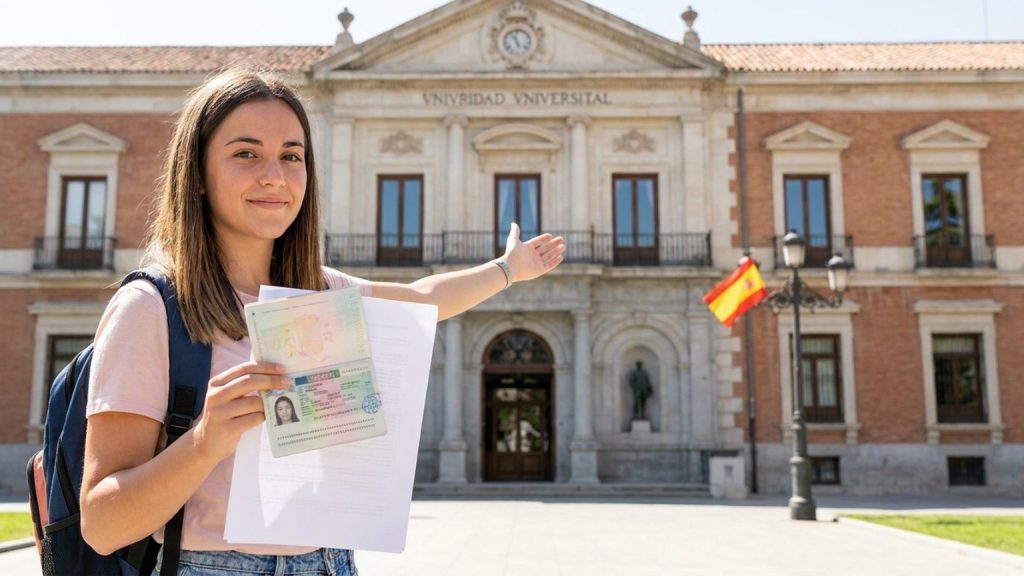
Many prospective students face confusion when planning to study abroad. The process of securing correct documentation can seem daunting. This article provides clarity on the Spain student visa, outlining its purpose and initial steps for a successful application. Understanding these details is crucial for international education.
1. What is the Spain student visa and its primary purpose?
The Spain student visa is an official authorization for non-European Union citizens to pursue education in Spain. This document allows individuals to legally reside in the country for academic purposes.
Its primary purpose involves facilitating enrollment in approved educational programs for periods longer than 90 days. This visa is essential for anyone from outside the EU or EEA planning extended studies.
- Legal residency for education: The visa grants foreign students legal status to live in Spain while studying. This covers university degrees, language courses, and vocational training programs.
- Access to educational institutions: It enables enrollment in Spanish schools, colleges, or universities. For example, a student from the United States wishing to complete a four-year bachelor’s degree in Barcelona needs this visa.
- Duration of stay: This visa is specifically for courses exceeding a three-month period. Shorter study programs usually do not require this specific long-term permit.
- Possibility of part-time work: Holders of this visa can also apply for permission to work part-time. This allows students to gain work experience or support themselves during their studies, provided the work does not interfere with their academic commitments.
- Family members: In some cases, the student’s immediate family members can also apply for a derivative visa. This allows a spouse or minor children to join the student in Spain for the duration of their studies.
Understanding the Spain student visa is crucial for international education planning. This permit ensures a proper legal framework for foreign students during their academic journey.
2. Why is a Spain student visa necessary for international education?
A Spain student visa is essential for non-European Union citizens planning to pursue education in Spain for more than 90 days. This document provides legal authorization for an extended stay dedicated to academic purposes dedicated academic purposes.
Without a valid visa, international students cannot enroll in long-term programs or reside legally within the country. This process ensures compliance with Spanish immigration laws.
- Legal Compliance: A student visa ensures an individual’s stay in Spain is lawful. For example, a student from the United States wishing to complete a nine-month master’s degree in Madrid must obtain this visa to remain legally after the initial 90-day tourist period.
- Access to Education: Spanish universities and language schools require a valid student visa for enrollment in programs exceeding three months. This allows students to pursue their chosen course of study without interruption.
- Residency Rights: The visa grants temporary residency status, allowing students to live in Spain for the duration of their studies. This includes the ability to open a bank account and access certain public services.
- Work Authorization (Limited): A Spain student visa often permits limited part-time work, typically up to 30 hours per week. This can help students support themselves financially while focusing on their studies.
- Travel within Schengen Area: With a valid Spanish student visa, students can travel freely within the Schengen Area for short periods. This provides an opportunity to explore other European countries during their study period.
Obtaining a Spain student visa is a fundamental step for international students. It secures their educational journey and legal status within the country.
3. How does the application process for a Spain student visa unfold?
- University Admission: The first step involves securing acceptance from a recognized Spanish educational institution. This admission letter is a crucial document for the visa application.
- Document Gathering: Applicants must collect a range of documents, including a valid passport, proof of financial means, and a criminal record certificate. These papers demonstrate the applicant’s eligibility and intent.
- Visa Application Submission: The applicant submits the complete application package to the Spanish consulate or embassy in their country of residence. This submission often requires a scheduled appointment.
- Interview and Biometrics: Many consulates require an interview to discuss the applicant’s study plans and intentions. Biometric data, such as fingerprints, is also collected during this stage.
- Visa Collection: Once approved, the visa is stamped into the applicant’s passport. This allows entry into Spain for the specified study period.
4. What are the essential steps for obtaining a Spain student visa?
A Spain student visa allows non-European Union citizens to study in Spain for periods longer than 90 days. The application process involves several distinct stages, each requiring careful attention. Understanding these steps helps applicants navigate the requirements efficiently and prepare thoroughly.
- Program acceptance: Applicants must first gain acceptance into a recognized Spanish educational institution. This official acceptance letter is a crucial document for the visa application submission.
- Document gathering: A comprehensive set of documents is necessary, including a valid passport, proof of financial means, and a medical certificate. For example, a student from the United States would need to show bank statements proving sufficient funds to cover their stay and studies.
- Visa application submission: The application is typically submitted at the Spanish consulate or embassy located in the applicant’s home country. An appointment is usually required to present all materials in person.
- Interview and biometrics: Many consulates require an interview with a consular officer and the submission of biometric data. This step allows the consulate to verify the applicant’s identity and intentions for studying in Spain.
- Visa approval and collection: After processing, the consulate notifies the applicant of the decision regarding their visa. The approved visa is then affixed to the passport, allowing the individual to travel to Spain.
Following these steps carefully helps ensure a smooth student visa application process. Early preparation for each stage can reduce potential delays and complications.