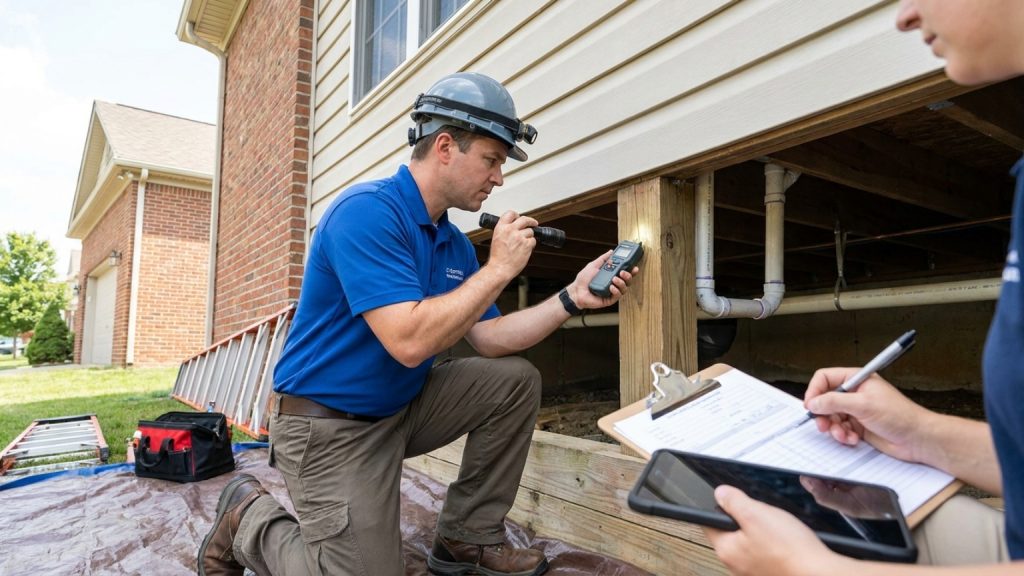
The process of acquiring a property often involves significant decisions. Without a thorough understanding of a property’s condition, buyers may face unexpected costs and repairs. This uncertainty can create considerable stress. A detailed assessment helps mitigate these risks, providing clarity and confidence.
1. What does a comprehensive property inspection involve?
A comprehensive property inspection is a detailed examination of a property’s physical condition. It identifies existing or potential issues before a purchase or during ownership. This process helps buyers make informed decisions and allows owners to maintain their investment effectively. The inspection involves a thorough review of the property’s structure and systems.
- Structural Integrity: The inspector examines the foundation, walls, and roof for signs of damage or instability. This includes looking for cracks, water penetration, or sagging that could indicate serious problems.
- Electrical and Plumbing Systems: A thorough check of the electrical wiring, outlets, and service panel is essential. The plumbing system, including pipes, fixtures, and water heaters, is also inspected.
- Roof and Exterior: The roof’s condition, gutters, and drainage are carefully assessed to prevent water damage. The exterior walls, windows, and doors also receive attention for their condition and security.
- HVAC Systems: The heating, ventilation, and air conditioning units are tested for proper operation and efficiency. This check ensures comfortable living conditions and helps identify maintenance needs.
An inspection provides a clear picture of the property’s health and potential future costs. For example, discovering a faulty water heater during an inspection allows a buyer to negotiate repairs or a price reduction before closing.
2. Why is a professional property inspection crucial for property buyers?
A professional property inspection offers critical insights to potential buyers. It identifies existing or potential problems within a property’s structure and systems. This detailed review helps buyers understand the true condition of an asset before purchase.
- Risk Mitigation: An inspection uncovers hidden defects that may not be visible during a casual viewing. For example, a specialist might find signs of an old roof leak or inadequate attic insulation.
- Negotiation Advantage: The findings from an inspection provide strong grounds for negotiation. Significant issues, such as faulty electrical wiring or a failing HVAC system, allow buyers to request repairs or a price reduction.
- Safety Assurance: The process identifies potential safety hazards that could impact residents. This includes checking for carbon monoxide leaks, structural weaknesses, or unsafe stairways.
- Future Planning: A detailed report helps buyers anticipate future maintenance needs and costs. It highlights components nearing the end of their lifespan, like an aging water heater or a worn-out furnace.
- Informed Decision-Making: The comprehensive information allows buyers to proceed with confidence or reconsider their offer. It ensures a clear understanding of the property’s overall health.
Therefore, a property inspection serves as an essential safeguard for buyers. It empowers them to make well-informed decisions and protects their investment effectively.
3. How is a property inspection conducted by specialists?
A specialist conducts a thorough property inspection to identify potential issues before a sale or during routine maintenance. This process involves a systematic evaluation of the property’s overall condition.
It aims to uncover defects that might not be immediately visible during a casual viewing. For instance, a specialist looks for structural weaknesses or hidden water damage.
- Exterior Examination: Specialists carefully inspect the property’s exterior, including the roof, foundation, walls, and drainage systems. This step identifies any signs of wear, damage, or potential water intrusion.
- Interior Systems Assessment: The inspection covers major interior systems such as electrical wiring, plumbing, and heating, ventilation, and air conditioning (HVAC) units. Their functionality and safety are thoroughly checked to ensure proper operation.
- Structural Integrity Check: Floors, walls, and ceilings are examined for cracks, sagging, or other indicators of structural problems. This helps identify potential long-term issues that could affect the building’s stability.
- Appliance and Fixture Testing: All built-in appliances, like ovens, dishwashers, and water heaters, are tested for proper function. Specialists also check fixtures such as faucets, toilets, and light switches to ensure they work correctly.
- Detailed Report Generation: After the physical inspection, the specialist compiles a comprehensive report. This document details all findings, including any deficiencies, safety concerns, and recommendations for repair or further evaluation.
This detailed approach provides buyers or owners with crucial information about the property’s true condition. It allows them to make informed decisions regarding a purchase or necessary maintenance.
4. What actions should be taken after a property inspection report?
A property inspection report provides a detailed overview of a property’s condition. This document highlights any existing defects or potential issues. Taking appropriate actions after its receipt is crucial for prospective buyers or current owners. It helps protect their investment and ensure safety.
- Review the report thoroughly: A careful reading of the entire report is the first step. This ensures a complete understanding of all findings, especially any significant deficiencies.
- Seek professional advice: Consulting with a real estate agent or a legal professional is often beneficial. These experts can help interpret complex findings and advise on the next steps.
- Negotiate repairs or price adjustments: The inspection report serves as a basis for negotiation. For example, if the report identifies an outdated electrical system, a buyer can request the seller to update it or reduce the purchase price.
- Obtain repair estimates: Getting quotes from qualified contractors for identified issues provides clarity on potential costs. This information is vital for making informed decisions during negotiations.
- Plan for future maintenance: The report acts as a valuable guide for ongoing property care. It helps owners prioritize maintenance tasks and prevent minor issues from becoming major problems.
Prompt action after receiving a property inspection report is essential. It ensures that all findings are addressed properly, safeguarding the investment and promoting peace of mind for the owner.