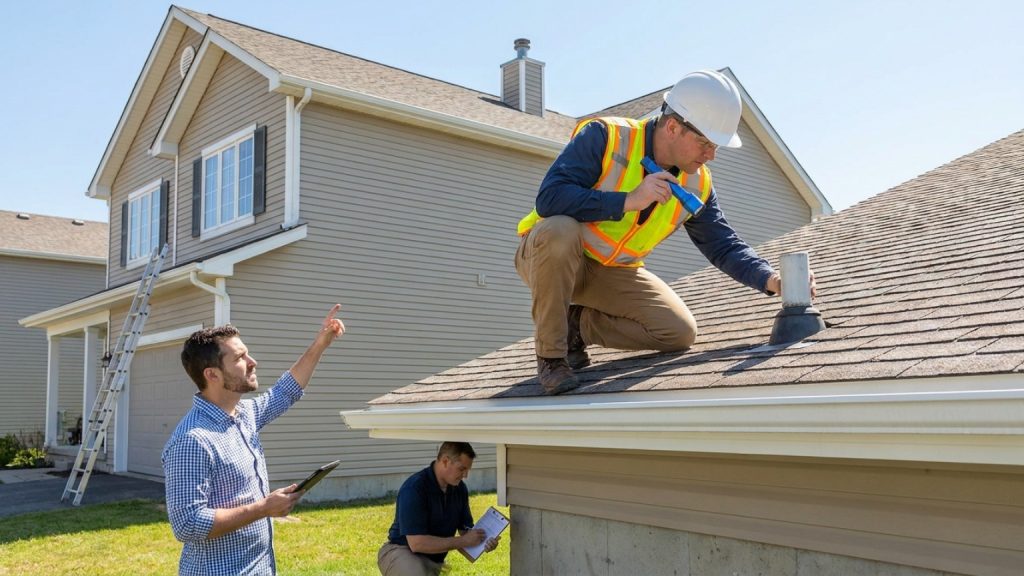
Buying a home is a significant decision, and hidden issues can cause stress and unexpected costs. You might worry about structural problems or unseen damage that affects your investment. Understanding the true condition of a property before you commit is essential for peace of mind.
1. What does a professional property inspection include?
A professional property inspection offers a detailed assessment of a property’s physical condition. It goes much deeper than a casual walkthrough, examining critical components and systems. This process helps identify potential problems or defects that might not be visible to an untrained eye visible untrained eye.
- Structural Elements: Inspectors carefully examine the foundation, roof, walls, and attic. For example, they look for cracks in the foundation or signs of water damage in the attic that could point to serious issues.
- Electrical System: This includes checking the electrical panel, wiring, outlets, and switches throughout the property. An inspector might find outdated wiring or improper grounding, which can be a safety hazard.
- Plumbing System: The inspection covers pipes, fixtures, water heater, and drainage. They test faucets, showers, and toilets for leaks, water pressure, and proper function.
- HVAC System: Heating, ventilation, and air conditioning units are tested for their operational status and efficiency. This helps confirm the systems are working correctly and without major defects.
- Exterior Features: Inspectors also assess the property’s exterior, including grading, drainage, windows, and doors. They check for issues like poor drainage that could lead to water accumulation near the foundation.
The resulting report provides a clear picture of the property’s condition, highlighting any necessary repairs or maintenance. This information is vital for making informed decisions about a purchase or rental.
2. Why is a property inspection crucial for home buyers?
A property inspection is a vital step for any home buyer. It provides a detailed look at the home’s condition before you commit to purchasing it. This process helps you make an informed decision and avoid unexpected problems later.
- Identify hidden issues: An inspector can find problems not visible to the untrained eye. For example, they might discover a hidden roof leak or faulty wiring that could cost thousands to repair.
- Negotiation power: Knowing about needed repairs gives you power to ask for a lower price or for the seller to fix issues. If the furnace is old, you can negotiate its replacement cost before closing.
- Budgeting for repairs: The inspection report helps you understand potential future costs. This allows you to set aside money for necessary upgrades or maintenance after you move in.
- Safety concerns: Inspectors check for hazards like mold, asbestos, or structural weaknesses. Addressing these issues helps keep your family safe in your new home.
- Peace of mind: Buying a home is a significant investment. A thorough inspection offers confidence that you are making a sound choice for your future.
Investing in a property inspection protects your financial well-being and ensures your new home is safe. It is a small cost compared to the potential expenses of undisclosed major repairs.
3. How is the process of a property inspection carried out?
A property inspection follows a detailed process to evaluate a property’s condition. We carefully examine various components to find any existing or potential problems. This structured approach helps you understand the property’s true state. We aim to provide a clear picture for your informed decision.
- Scheduling and Preparation: We first arrange a suitable time for the property inspection with you. Before our visit, we gather any relevant property documents you can provide.
- Exterior Examination: We walk around the entire exterior of the building during the inspection. We check the roof, foundation, walls, and drainage systems for signs of wear or damage, for example, missing roof tiles or cracks in the foundation.
- Interior Assessment: Inside, we carefully inspect each room, looking at ceilings, walls, floors, and windows. We check for issues like water stains, mold, or faulty windows that do not close properly.
- Systems and Appliances Check: We test the property’s major systems during the inspection. This includes electrical wiring, plumbing, heating, and air conditioning units to ensure they work correctly. For instance, we check for leaks under sinks and ensure all outlets are functional.
- Report Generation: After completing the physical inspection, we compile a detailed report. This report outlines our findings, including any noted defects or areas requiring attention. We present this report in a clear and easy-to-understand format.
This thorough inspection process gives you peace of mind and valuable information. It helps you make informed decisions about your property investment.
4. What actions should you take after a property inspection report?
After a property inspection, you receive a detailed report outlining the home’s condition. This document highlights any defects, necessary repairs, or safety concerns. Understanding its contents helps you make informed decisions about your potential purchase. Taking specific, structured actions after reviewing the report is essential for a smooth transaction.
- Review the report carefully: Read through the entire inspection report, paying close attention to major issues. For example, if the report points out significant structural concerns or a failing HVAC system, these are critical findings.
- Discuss with your real estate agent: Your agent can help interpret technical findings and guide you on the next steps. They can also advise on typical negotiation strategies in your local market.
- Get repair estimates: For any significant problems identified, get quotes from qualified contractors. If the report indicates old or damaged plumbing, get an estimate from a plumber to understand the repair cost.
- Negotiate with the seller: Use the inspection report and repair estimates to negotiate with the seller. You can ask for repairs to be completed, a reduction in the purchase price, or a credit at closing.
- Consider a re-inspection: If the seller agrees to make repairs, arrange for a follow-up inspection. This ensures that all agreed-upon work was completed correctly and to an acceptable standard before you finalize the purchase.
Following these steps helps you manage potential risks and ensures the property aligns with your expectations. These actions protect your interests and lead to a more confident home purchase.