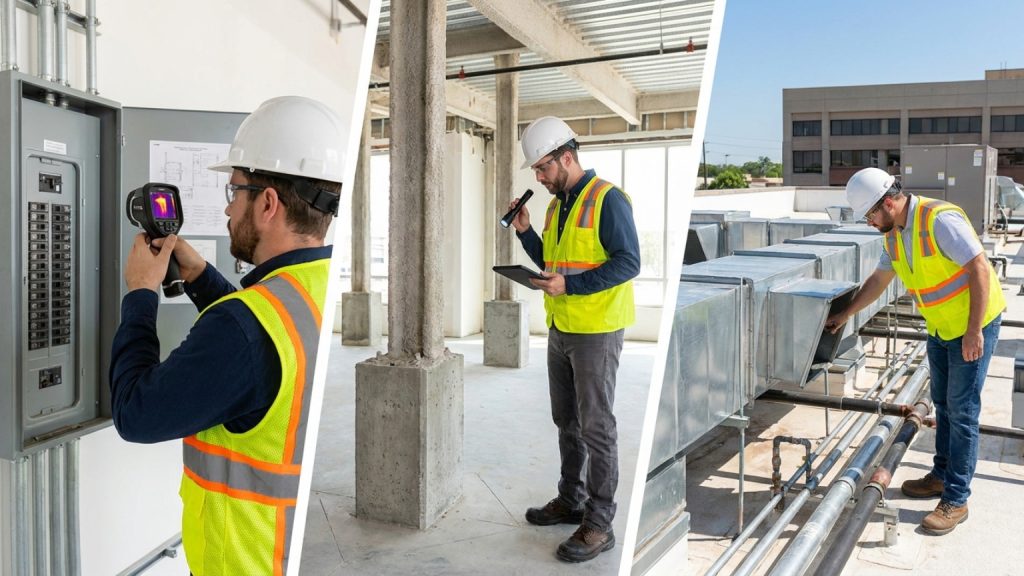
Buying a property often presents unforeseen challenges. Hidden defects or structural issues can lead to significant financial burdens after a purchase. A lack of detailed information about a property’s true condition creates considerable uncertainty for potential owners. This situation highlights the need for a thorough assessment.
1. What is the technical validation of properties?
The technical validation of properties involves a detailed examination of a real estate asset. This process assesses the physical condition, structural integrity, and regulatory compliance of a building or land. It provides a clear understanding of the property’s current state and potential risks before a transaction risks before transaction.
- Structural integrity: This evaluation inspects the property’s main components, such as foundations, walls, and the roof. The assessment ensures the building is structurally sound and safe for its intended use.
- Installations review: Specialists examine all essential systems including electrical wiring, plumbing, and heating, ventilation, and air conditioning (HVAC). This step verifies that these installations meet safety standards and operate efficiently.
- Legal and regulatory compliance: The validation process confirms the property adheres to local building codes, zoning regulations, and other legal requirements. This helps prevent future legal complications or unexpected costs for the buyer.
- Energy efficiency assessment: Experts evaluate the property’s insulation, windows, and energy systems to determine its energy performance. This assessment informs about potential utility costs and the environmental footprint of the property.
- Environmental factors: This check identifies potential environmental hazards such as radon, asbestos, or flood risks affecting the property. It protects the health of future occupants and the long-term value of the investment.
Technical validation offers a comprehensive overview of a property’s condition and potential liabilities. This crucial step supports informed decision-making for buyers and investors.
2. Why is the technical validation of properties crucial for an investment?
The technical validation of properties is essential for any real estate investment. This process identifies potential risks and hidden issues before a purchase. It ensures the property meets specific standards and buyer expectations. A thorough validation protects the investment’s long-term value.
- Risk Mitigation: Technical validation helps uncover structural defects or compliance problems. For example, an older building might have faulty wiring or plumbing, leading to significant repair costs later.
- Financial Protection: This assessment prevents unexpected expenses after the acquisition. It provides a clear picture of necessary renovations or upgrades, allowing for accurate budgeting.
- Legal Compliance: The validation confirms that the property adheres to local building codes and regulations. Non-compliance can result in legal penalties or difficulties in future sales.
- Value Confirmation: It verifies the property’s true market value by accounting for its physical condition. Investors gain confidence that the purchase price reflects the actual state of the asset.
- Informed Decision-Making: The detailed report offers crucial information for negotiation. Buyers can use these findings to adjust offers or request specific repairs from the seller.
Ignoring technical validation exposes an investment to considerable financial and legal hazards. Therefore, this step serves as a fundamental safeguard for property investors.
3. How is the technical validation of properties conducted?
The technical validation of properties involves a thorough examination of a real estate asset. This process ensures the property’s physical condition, legal status, and compliance with local regulations. It provides a clear understanding of potential risks and opportunities before a transaction opportunities before transaction.
- Document Review: Property titles, building permits, occupancy certificates, and cadastral records are carefully reviewed. This step confirms legal ownership, verifies authorized construction, and identifies any existing liens or encumbrances.
- Physical Inspection: A specialist examines the property’s structure, electrical and plumbing systems, roof, and general finishes. For example, a common issue found is an unpermitted extension, which affects both value and legal standing.
- Urban Planning and Zoning Compliance: The property’s adherence to local urban planning regulations, zoning laws, and building codes is assessed. This review prevents future legal complications or restrictions on use, ensuring the property meets all municipal requirements.
- Valuation and Market Analysis: An expert evaluates the property’s market value by analyzing comparable sales, current market trends, and its unique features. This analysis helps determine a fair purchase price and assesses the property’s investment potential, giving a realistic financial perspective.
Technical validation offers crucial information for any property acquisition. This detailed process allows buyers to make informed decisions and reduces unforeseen problems after a purchase.
4. What steps should be taken for the technical validation of properties?
The technical validation of properties involves a careful examination of a building’s physical and legal aspects. This process aims to identify potential risks and confirm the property’s true condition. It also ensures compliance with current regulations and market standards. A thorough validation helps to prevent future complications for any prospective owner.
- Document Review: This step involves checking all legal and technical paperwork related to the property. For example, specialists review building permits, occupancy certificates, and title deeds to confirm ownership and legality.
- Physical Inspection: A detailed physical inspection assesses the property’s current state. This includes evaluating structural integrity, checking electrical and plumbing systems, and looking for signs of wear or damage.
- Urban Planning Compliance: This step verifies that the property adheres to local urban planning and zoning regulations. It ensures the property’s use and construction are legal, avoiding issues like unpermitted additions or restricted uses.
- Energy Efficiency Assessment: An energy efficiency assessment evaluates the property’s energy performance. This process identifies areas for improvement in insulation, heating, and cooling systems, providing insights into potential running costs.
- Valuation and Market Analysis: This final part determines the property’s fair market value. It considers the property’s condition, location, and recent sales of similar properties in the area.
These steps collectively provide a complete picture of a property’s technical status. This detailed information allows for informed decision-making and significantly reduces purchase risks.