Many individuals find themselves comfortable with basic kitesurfing but struggle to advance. This plateau often leads to frustration when attempting more complex maneuvers or navigating varied conditions. Understanding the next steps in skill development becomes crucial for continued enjoyment and safety on the water.
1. What is the focus of kitesurf level 2 classes?
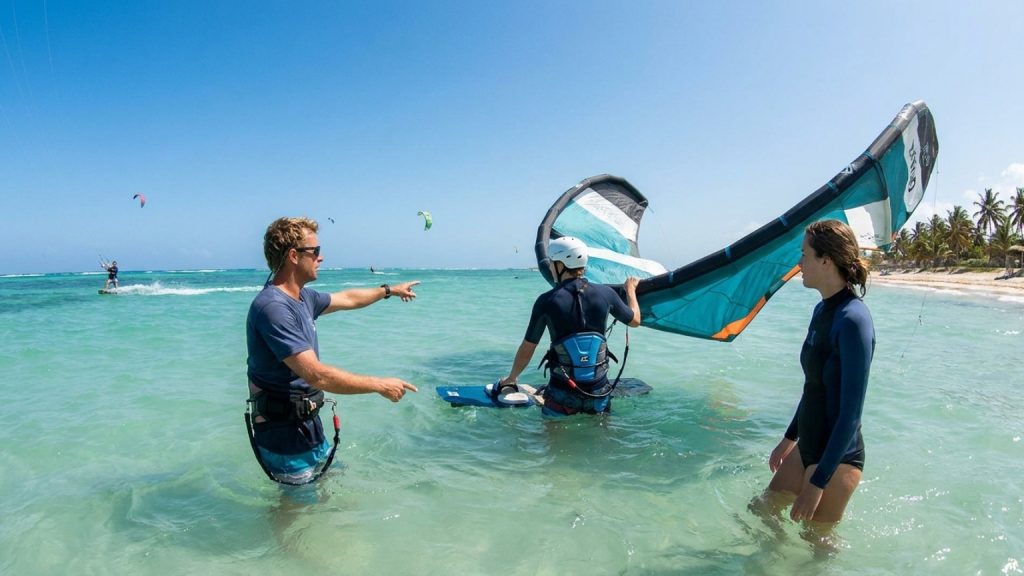
Kitesurf level 2 classes build upon the fundamental skills acquired in beginner lessons. The primary focus shifts towards improving kite control, gaining better board handling, and understanding wind dynamics more deeply.
This level prepares a student for independent riding and managing various situations on the water. It aims to develop the confidence and technical ability necessary for self-sufficient kitesurfing.
- Upwind Riding: This skill allows a rider to travel against the wind, which is crucial for staying in a desired area. Without it, a rider drifts downwind and may struggle to return to the starting point.
- Board Recovery Techniques: Students learn efficient methods for retrieving the board after a fall, often involving advanced body dragging. For example, if the board separates from the rider far from shore, these techniques ensure its quick recovery.
- Self-Rescue Procedures: Essential safety protocols are taught, enabling a rider to manage unexpected situations alone. This includes deflating the kite in the water and packing it safely for a return to shore.
- Smooth Transitions and Turning: The class focuses on executing turns and changing direction smoothly while riding. A common exercise involves making a smooth turn at the end of a run and riding back in the opposite direction.
- Advanced Wind Window Understanding: Riders gain a more nuanced comprehension of how the wind affects the kite’s power zones and movement. This knowledge helps in choosing the correct kite size and managing power in different wind conditions.
These intermediate skills are vital for a rider’s progression and safety on the water. Mastering them allows for greater independence and enjoyment in kitesurfing.
2. Why is the progression in kitesurf level 2 classes essential?
Progression in kitesurfing level 2 classes is crucial for developing a solid foundation in the sport. These classes build upon the fundamental skills learned during initial lessons, introducing more complex techniques and safety protocols.
Mastering these intermediate skills ensures a rider’s safety and enhances their enjoyment on the water. It also prepares individuals for advanced kitesurfing challenges.
- Skill consolidation: Level 2 classes reinforce basic kite control and board handling. This prevents the formation of poor habits that can hinder future progress.
- Safety enhancement: The curriculum teaches more advanced self-rescue techniques and proper right-of-way rules. This significantly reduces risks for both the rider and other water users.
- Independent riding: Students focus on achieving consistent upwind riding and smooth transitions. This allows a rider to explore different areas and conditions confidently without constant assistance.
- Equipment understanding: Lessons explain how to choose and adjust kitesurfing gear for varying wind strengths and water conditions. This helps the rider make informed decisions for optimal performance and safety.
- Confidence building: The structured environment gradually introduces more complex maneuvers in a controlled setting. This prepares the rider for advanced challenges with greater self-assurance.
This critical step in learning creates a solid base for any aspiring kitesurfer. Therefore, proper progression through kitesurfing level 2 classes is necessary for long-term enjoyment and safe participation in the sport.
3. How does one know it is time for kitesurf level 2 classes?
A student knows it is time for kitesurf level 2 classes after mastering the fundamental skills of beginner lessons. This progression means the student can safely control the kite and board in basic conditions board basic conditions.
The ability to ride short distances and manage unexpected situations indicates readiness for more advanced techniques. For example, a student who consistently rides short distances downwind and feels comfortable handling the kite is likely ready.
- Consistent Kite Control: The student can fly the kite stably and predictably in various wind conditions. This includes launching, landing, and moving the kite through the power zone without difficulty.
- Water Start Proficiency: The student can repeatedly get on the board and ride for a short distance. This skill shows a solid grasp of combining kite power with board control.
- Upwind Body Dragging: The student can body drag effectively to recover the board after a fall. This demonstrates a good understanding of kite positioning relative to the wind direction.
- Self-Rescue Knowledge: The student understands and can practice self-rescue procedures. This ensures safety and promotes independence if a problem occurs far from shore.
- Basic Riding Stamina: The student can ride for short periods without immediate exhaustion. This indicates readiness for longer stretches of riding and more demanding techniques.
Therefore, readiness for level 2 involves a combination of skill, confidence, and safety awareness. An instructor can provide the best assessment for this important progression.
4. What are the steps for undertaking kitesurf level 2 classes?
- Consistent Water Starts: The student practices launching from the water with greater ease and consistency. This involves refining kite control and board positioning for smooth take-offs.
- Riding Upwind: This skill teaches a rider how to move against the wind direction. It is crucial for returning to the initial beach area and exploring different parts of the water.
- Controlling Speed and Direction: The classes explain how to adjust kite power and body position to manage speed effectively. This also covers making controlled turns in both directions.
- Self-Rescue Techniques: Instruction includes essential safety procedures for independent riding. A student learns to pack down the kite in the water and return safely to shore without assistance.