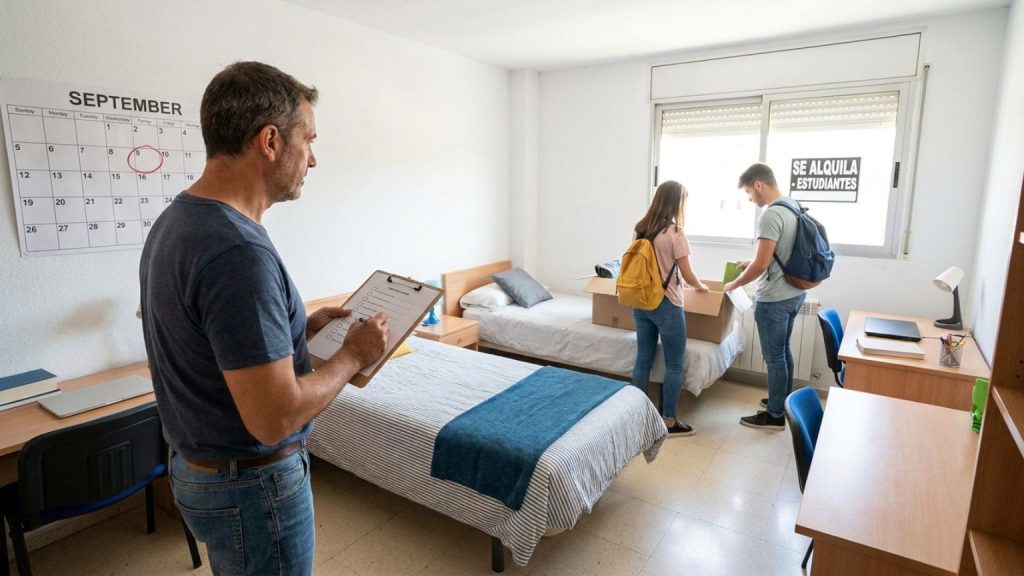
Owners of properties rented to students often encounter specific challenges. These can include high tenant turnover, property wear and tear, and complex legal requirements. Understanding the unique aspects of this market is crucial for sustained success. This article provides essential insights for effective management.
1. What are the unique characteristics of student flats for owners?
Student flats present distinct challenges and opportunities for property owners. These properties require a specific management approach compared to standard residential rentals. Understanding these characteristics helps owners manage their investments effectively. It also ensures a stable and beneficial rental experience.
- High Turnover Rate: Students typically rent for an academic year, leading to frequent tenant changes. This requires more consistent marketing, tenant screening, and property preparation between leases.
- Seasonal Demand: The rental market for student flats peaks before the academic year begins. Owners must time their listings and viewings to align with this predictable demand cycle, for example, listing in late spring or early summer.
- Increased Wear and Tear: Student properties often experience higher levels of wear and tear due to communal living and frequent use. Regular maintenance and prompt repairs are essential to preserve property value.
- Guarantor Requirements: Many student tenants rely on parents or guardians as guarantors for rent payments. This adds a layer of complexity to the application and payment collection process.
- Specific Location Needs: Student flats are most desirable when located near universities, public transport, and student amenities. Proximity to these services significantly influences rental appeal and occupancy rates.
These unique characteristics shape the operational demands and financial returns for owners. A specialized management strategy can address these factors and support long-term success.
2. Why is specialized management important for owners of student flats?
Managing student flats presents unique challenges compared to standard residential properties. Specialized management addresses these specific needs effectively. This approach protects the owner’s investment and ensures smooth operational flow throughout the academic year.
- Tenant Specifics: Student tenants often have unique needs, such as shorter lease terms, guarantor requirements, or preferences for furnished spaces. Specialized management understands these demands and manages them effectively, handling aspects like mid-year tenancy changes and varied move-in dates.
- Regulatory Compliance: Student housing often involves specific local regulations, licensing requirements, and safety standards. A specialized team ensures all legal requirements are met, thereby avoiding potential fines or complex legal issues for the owner.
- Property Maintenance: Student properties typically experience higher wear and tear due to frequent use and turnover. Specialized management implements regular maintenance schedules and handles repairs quickly to preserve the property’s condition and appeal.
- Vacancy and Marketing: Filling student flats requires specific marketing strategies and precise timing aligned with the academic calendar. Experts understand how to target student demographics effectively, which significantly reduces vacancy periods between academic years.
- Conflict Resolution: Issues can arise between student tenants regarding shared spaces, or with neighbors over noise levels. Specialized managers are skilled in mediation and resolving disputes fairly, maintaining a positive living environment for all.
Ultimately, specialized management provides owners with peace of mind. It safeguards their investment and helps achieve optimal rental income.
3. How can owners approach common challenges in the management of student flats?
- Tenant Turnover and Vacancy Rates: Student tenants typically stay for a single academic year, leading to predictable but frequent periods of vacancy. Owners can minimize this by starting marketing efforts early and having a smooth move-in process. For example, advertising for new tenants in spring for September occupancy helps secure new residents.
- Property Wear and Tear: Student properties often experience higher usage and sometimes more damage than other rental types. Regular property inspections can identify issues early. Implementing clear guidelines for property care helps prevent significant problems.
- Managing Multiple Tenants: Shared student flats involve multiple individuals on one lease or separate leases. Clear communication channels and well-defined house rules are essential. A landlord can use a shared online portal for all tenants to report issues or ask questions, fostering better coordination.
- Rent Collection and Financial Management: Ensuring rent is paid on time by multiple parties can be complex. Owners can use automated payment systems or require a single guarantor for the entire flat. This helps simplify financial oversight and reduces potential delays.
4. What actionable steps can owners take to improve their student flats?
Owners of student flats can take several practical steps to improve their properties. These actions enhance the living experience for students and increase the flat’s appeal. A well-maintained and functional space often attracts more tenants and ensures stable occupancy.
- Modernize furnishings: Students value comfortable and updated living spaces. Replacing worn-out furniture with new, durable items makes a flat more attractive. For example, installing a contemporary desk and chair in each bedroom supports students’ study needs.
- Enhance internet connectivity: Reliable and fast internet is crucial for academic success and social connection. A reliable internet service is a significant selling point for student accommodation. Upgrading to a high-speed fiber optic connection ensures students can attend online lectures without issues.
- Maintain cleanliness and repairs: Regular upkeep prevents small problems from becoming large, costly issues. A clean environment and prompt repairs demonstrate a commitment to tenant well-being. Addressing a dripping tap quickly, for instance, prevents water damage and shows attentiveness.
- Improve security features: Safety is a primary concern for students and their families. Enhanced security measures provide peace of mind for residents. Installing sturdy locks on all windows and doors, along with good exterior lighting, increases overall safety.
- Offer clear communication and support: Accessible communication channels build trust and facilitate problem-solving. A responsive owner can address tenant concerns efficiently. Providing a clear contact method for urgent maintenance requests, for example, helps resolve issues promptly.
Implementing these steps leads to higher tenant satisfaction and positive experiences. A better living environment benefits both the student and the owner through consistent occupancy and good property reputation.