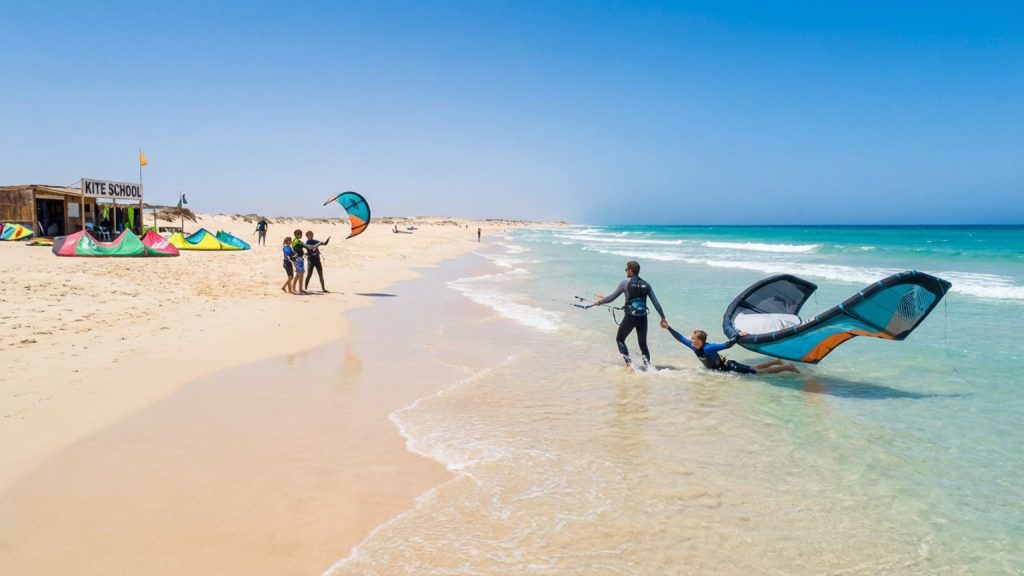
Are you considering learning kitesurfing but feel unsure where to begin? Many aspiring riders struggle to find reliable information about suitable locations and proper training. This guide helps you understand what makes a great learning spot and how to choose the right path for your kitesurfing adventure.
1. What are the characteristics of ideal places for learning kitesurfing?
Learning kitesurfing is much easier and safer when you choose the right location. Ideal places offer specific conditions that help beginners build their skills confidently. These characteristics make the sport more enjoyable for new riders. For example, a place like Tarifa is well-known for its consistent wind and shallow waters, which are perfect for learning.
- Consistent Wind Conditions: Steady, moderate wind is crucial for learning kitesurfing. It allows you to practice kite control and body dragging without sudden, strong changes.
- Shallow, Flat Water: Beginners benefit greatly from shallow, flat water. You can easily stand up and retrieve your board, which makes restarting much simpler.
- Spacious Beaches: Large, uncrowded beaches provide ample room for new riders. This space is important for safely launching, landing, and practicing your kite control away from others.
- Professional Schools and Instructors: Quality instruction significantly improves your learning curve. Certified instructors teach proper techniques and emphasize essential safety protocols from the start.
- Safety and Rescue Services: Knowing that help is available gives you important peace of mind. Some locations offer boat or jet ski rescue services, which is vital when you are just starting out.
Choosing a location with these features makes learning kitesurfing much easier and less stressful. It ensures a safe, efficient, and fun start to your kitesurfing journey.
2. Why is the selection of suitable places for learning kitesurfing so important?
The choice of where you learn kitesurfing greatly affects your experience. A suitable location makes learning safer and more effective. It also helps you build skills faster and enjoy the process more. Different places offer very different conditions for new riders.
- Safety and Conditions: Learning in the right place significantly reduces risks. For example, shallow, flat water with consistent, moderate wind is ideal for beginners.
- Faster Skill Development: Optimal conditions allow you to practice without constant challenges from the environment. This means you spend more time focusing on technique and less time struggling.
- Access to Qualified Instructors: Top kitesurfing spots often attract the best schools and certified instructors. These professionals ensure you learn correct techniques from the start.
- Quality Equipment: Reputable learning locations typically have well-maintained, modern equipment available. Good gear is essential for both safety and an efficient learning process.
- Overall Enjoyment: A positive learning environment reduces frustration and increases your confidence. You will find it much more rewarding when the conditions support your progress.
Selecting the right place is not just about convenience; it is about setting yourself up for success. This choice directly impacts how quickly and safely you become a confident kitesurfer.
3. How to identify and evaluate the best places for learning kitesurfing?
To find the best places for learning kitesurfing, you should consider several key factors. These elements directly impact your safety, learning speed, and overall enjoyment. Evaluating a location based on its natural conditions and available resources is essential. You want a spot that supports your progress from the very first lesson.
- Wind Consistency: Consistent and predictable winds are vital for beginners. They allow you to practice without long waits or sudden, strong gusts. For example, locations like Tarifa are known for their reliable wind patterns throughout much of the year.
- Shallow, Flat Water: Learning in shallow, flat water makes standing up and body dragging much easier. This reduces the effort needed and lets you focus on kite control. Many lagoons or sheltered bays offer these ideal conditions, minimizing strong currents or large waves.
- Certified Kitesurfing Schools: A good school offers certified instructors, proper equipment, and a structured curriculum. Look for low student-to-instructor ratios to ensure personalized attention and faster learning. This direct guidance is crucial for mastering new skills safely.
- Safety Measures: The best spots have clear safety protocols and readily available rescue services. This provides peace of mind and allows you to focus on learning without undue worry. Qualified instructors also teach you how to handle unexpected situations.
- Local Infrastructure: Consider the accessibility, accommodation options, and other activities available. A good place offers more than just kitesurfing, making your entire trip enjoyable. This includes places to eat, relax, and explore when you are not on the water.
Carefully evaluating these aspects helps you choose a location that supports your kitesurfing journey. A well-chosen spot makes learning safer, faster, and much more fun.
4. What are the actionable steps for starting kitesurfing in the right places?
- Research ideal locations: Look for spots with consistent, moderate winds and shallow, calm water. These conditions make it easier and safer for beginners to practice kite control and water starts.
- Choose a certified school: Enroll in a school that employs certified instructors and uses safe, modern equipment. A good school ensures you learn proper techniques and safety protocols from the start.
- Start with introductory lessons: Begin with lessons that cover ground control, safety systems, and basic kite handling before you enter the water. Mastering these basics on land builds confidence and muscle memory.
- Rent appropriate equipment: Make sure you use beginner-friendly gear that matches your weight and the specific wind conditions. Using the correct size kite and board helps you learn more quickly and safely.
- Understand wind window theory: Spend time learning how the kite flies in relation to the wind before attempting complex maneuvers. This knowledge is fundamental for controlling the kite effectively in all situations.