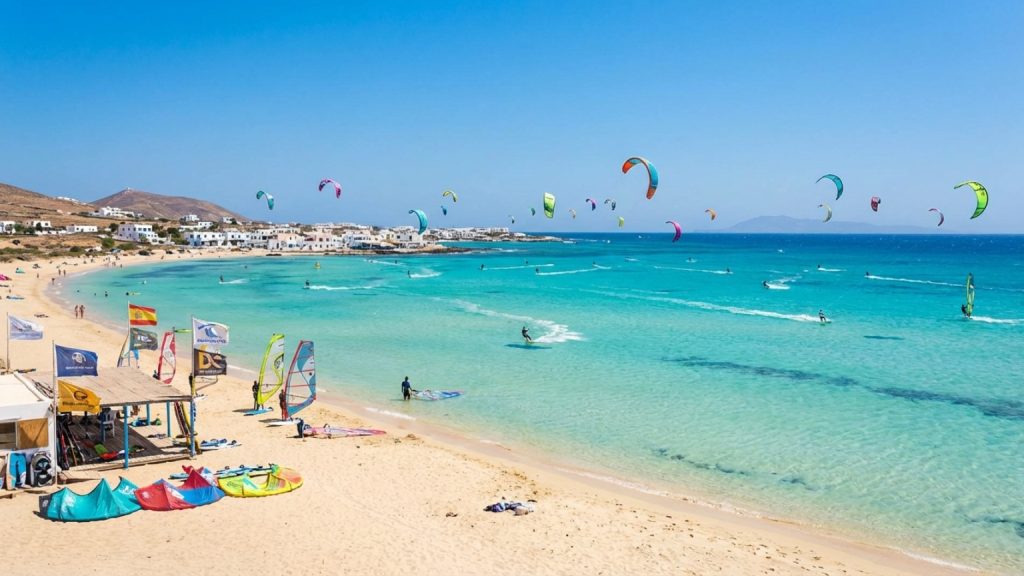
Are you struggling to find the ideal spot for your next kitesurfing adventure? Choosing among the many beautiful European coasts can be overwhelming. You want strong winds, clear waters, and a welcoming community. This guide will help you navigate the options.
1. What are the key characteristics of top kitesurfing destinations in Europe?
- Consistent Wind: Reliable wind is crucial for kitesurfing. For example, Tarifa, Spain, is famous for its strong Levante and Poniente winds, allowing for almost year-round riding.
- Suitable Water Conditions: Safe water areas are important for both new and experienced riders. Shallow, flat water, like that found in lagoons, helps beginners practice easily and safely.
- Good Infrastructure: Access to schools, rental centers, and rescue services is essential. A destination with many certified schools means you can easily rent gear or take professional lessons.
- Vibrant Community: A lively atmosphere makes the experience more enjoyable. Many top spots have beachfront cafes where riders relax, share tips, and connect with others after a session.
- Accessibility: Easy travel and accommodation options are also key. Destinations near international airports often have a wide range of hotels or apartments available for visitors.
2. Why is the choice of kitesurfing destinations in Europe crucial for your experience?
The choice of kitesurfing destinations in Europe significantly impacts your overall experience. The right location ensures both safety and fun, especially when you are learning or trying new skills.
It directly affects how quickly you progress and how much you enjoy your time on the water. For example, a beginner rider needs calm, shallow waters to practice, while an experienced kitesurfer might look for stronger winds and bigger waves.
- Wind Conditions: Consistent and suitable wind is the most important factor for kitesurfing. Without reliable wind, you cannot ride, and winds that are too strong can be unsafe for new riders.
- Water Conditions: The type of water also plays a big role in your session. Flat, shallow water is ideal for beginners to learn control and stand up easily.
- Infrastructure and Schools: Good destinations offer access to professional kitesurfing schools and equipment rental. These services provide expert instruction and ensure you have the right gear.
- Safety and Rescue: Understanding local safety protocols and having rescue options nearby is vital. Some spots have specific currents or hazards, so local knowledge helps keep you safe.
- Atmosphere and Amenities: The general vibe of a place can make your trip better. A friendly community, good food, and comfortable lodging enhance your time off the water too.
Therefore, carefully selecting your kitesurfing destination is crucial for a successful trip. It ensures you find conditions that match your skill level and help you achieve your kitesurfing goals.
3. How can you identify the best kitesurfing destinations in Europe for your skill level?
To find the right kitesurfing destination in Europe, you must first consider your current skill level. Different spots offer unique conditions that suit beginners, intermediate riders, or experts. Understanding these differences helps you choose a location where you can learn safely or push your limits effectively.
- Wind Strength and Consistency: Beginners need steady, moderate winds, typically 12 to 20 knots, to practice control and body dragging. Advanced riders often seek stronger winds, above 20 knots, for jumping and complex tricks. For example, some bays in Portugal offer gentler winds perfect for learning, while parts of the Canary Islands present stronger, more challenging conditions.
- Water Conditions: Flat water lagoons or shallow bays are ideal for learning because they make standing up and recovering easier. Intermediate and advanced riders might prefer locations with small to medium waves for wave riding or larger waves for more thrilling experiences.
- Launch and Landing Areas: Wide, sandy beaches with few obstacles are safest for beginners to launch and land their kites. Crowded or rocky areas require more advanced kite control and awareness, so they suit experienced riders better.
- Kitesurfing Infrastructure: Look for destinations with certified schools, rental centers, and rescue services. These resources are especially important for beginners or when you travel alone, ensuring safety and support.
By matching these factors to your personal skill level, you can select a European kitesurfing destination that best supports your goals. This careful selection helps ensure a safe, enjoyable, and progressive experience on the water.
4. What steps should you take to plan a trip to kitesurfing destinations in Europe?
Planning a kitesurfing trip to Europe requires careful thought. You need to consider several key factors to ensure a smooth and enjoyable experience. This preparation helps you find the best spots and make the most of your time on the water time the water.
- Choose your destination: Research European spots known for good wind and conditions. For example, Tarifa in Spain offers consistent winds and many schools for all levels.
- Check wind and weather forecasts: Always look at historical wind data and current forecasts for your travel dates. This helps you pick the best time to visit and pack appropriate gear.
- Book lessons or rentals in advance: Secure your kitesurfing instruction or equipment before you arrive, especially during peak season. This ensures availability and can also save you money.
- Consider travel insurance: Kitesurfing involves some risks, so get insurance that covers water sports. This protects you from unexpected medical costs or equipment damage.
- Pack essential gear: Bring your wetsuit, harness, and any small personal items if you have them. Even if you plan to rent, having your own familiar gear improves comfort.
Taking these steps will help you plan an effective and fun kitesurfing adventure in Europe. Good preparation makes your trip more relaxing and allows you to focus on riding the waves.