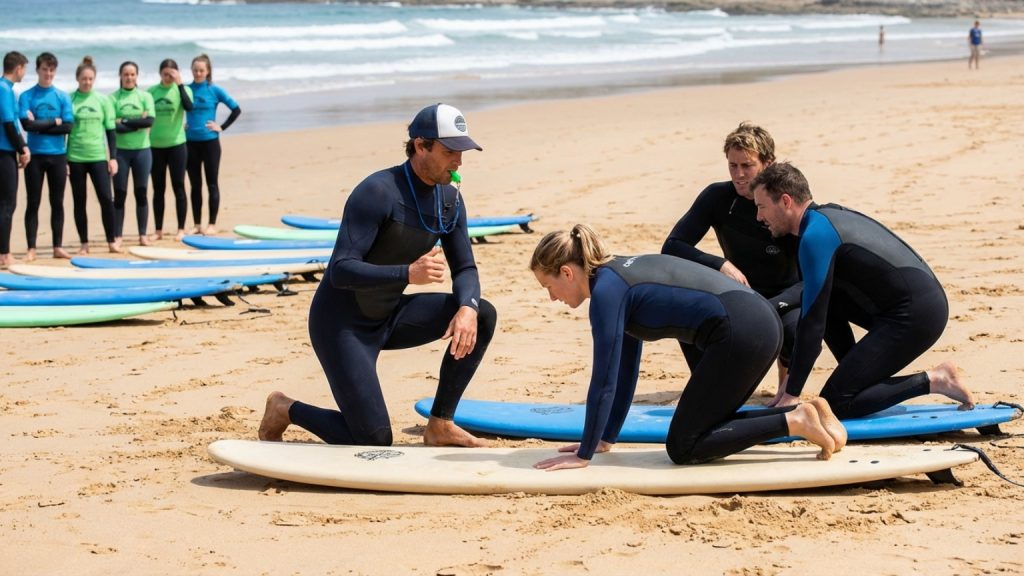
Do you dream of riding waves but feel unsure where to begin? Many people are drawn to the ocean’s call, yet navigating the world of surfing can seem complex. Understanding what surf experiences entail is the first step. This guide will help you explore the possibilities and find your way to the water.
1. What is a surf experience and what can you expect from it?
A surf experience is much more than simply riding waves; it is an immersive journey into ocean culture and skill development. It offers you the chance to learn how to surf in a safe, supportive environment. You will connect with the ocean, build confidence, and gain new physical abilities.
- Professional Guidance: You learn from experienced, certified instructors. They teach you everything from paddling techniques to standing on the board.
- Focus on Safety: Safety is always the top priority. Instructors teach you about ocean conditions, rip currents, and proper equipment use, like how to correctly wear your leash, ensuring a secure environment.
- Skill Development: You will progress from basic paddling and pop-up techniques to catching your first waves. Each session builds on previous lessons, helping you improve your balance and control.
- Ocean Awareness: You gain a deeper understanding of the marine environment. This includes learning about wave types, tides, and how to respect the ocean’s power.
- Community and Fun: You will meet new people who share your enthusiasm for the ocean. Enjoying the sun and waves with others creates lasting memories and friendships.
Engaging in a surf experience offers a unique blend of physical activity and personal growth. You will leave with new skills, a deeper appreciation for the ocean, and unforgettable memories.
2. Why are surf experiences beneficial for your well-being?
Surf experiences offer many benefits for your overall well-being. They combine physical activity with the calming presence of the ocean. This unique mix can improve both your body and mind. Learning to surf also helps you connect more deeply with nature.
- Physical fitness: Surfing is a full-body workout. You use your arms to paddle, your core to balance, and your legs to stand up. This activity improves strength, endurance, and coordination. For example, paddling out through waves actively builds arm and shoulder strength.
- Mental clarity and stress relief: Being in the ocean helps clear your mind. The rhythm of the waves can be very meditative and calming. This allows you to forget daily worries and focus on the present moment. Many people feel a deep sense of peace after a surf session.
- Increased confidence: Learning a new skill like surfing brings a great sense of achievement. Each time you catch a wave, you build self-esteem. Overcoming challenges in the water also makes you feel more capable. This confidence often carries over into other parts of your life.
- Connection with nature: Surf experiences place you directly in the natural world. You feel the sun, the wind, and the power of the ocean. This deep connection can be grounding and refreshing. Spending time outdoors is widely known to improve mood and reduce anxiety.
- Social interaction: Many surf lessons happen in small groups. You can meet new people and share a fun experience together. This builds camaraderie and a sense of community. Sharing laughs and encouragement with others makes the experience even better.
These benefits show how surf experiences support your overall well-being. They offer a refreshing way to stay active and feel good. You carry the positive effects long after you leave the water.
3. How to choose the right surf experience for you?
Choosing the right surf experience makes a big difference in your learning and enjoyment. Many options exist, from beginner camps to advanced coaching sessions.
To get the most out of your time in the water, you should consider what you want to achieve. For example, a complete beginner will benefit most from a structured camp focused on basic skills.
- Your current skill level: Be honest about your surfing ability. Beginners need gentle waves and dedicated instruction on fundamentals. If you already surf, look for programs that offer coaching to refine specific techniques.
- Your goals for the experience: Think about what you hope to gain from the experience. Do you want to learn the basics, improve your turns, or simply enjoy time in the ocean?
- The ideal learning environment: Consider the type of waves and the group size that suits you. A beginner might prefer smaller, gentler waves and a low student-to-instructor ratio.
- Duration and commitment: Decide how much time you can dedicate to learning. A single day lesson offers a quick introduction, but a week-long camp provides more consistent practice.
- Group versus private instruction: Think about your comfort with learning alongside others. Group lessons offer a social setting, while private instruction provides personalized feedback.
By thinking through these points, you can choose a surf experience that truly matches your needs. This thoughtful approach helps ensure a positive and rewarding time in the water.
4. What steps to take to prepare for your first surf experience?
Starting your first surf experience is exciting. A little preparation helps you feel more confident and makes the whole process smoother. We want to ensure you have a safe and fun time in the water. Taking these simple steps will set you up for success.
- Swimming Ability: You should feel comfortable swimming in the ocean. This skill is important for your safety and confidence in the water.
- Sun Protection: Always use waterproof sunscreen with high SPF. A rash guard and hat also protect your skin from the sun.
- Listen to Your Instructor: Pay close attention to all safety briefings and directions. They will teach you about ocean conditions, currents, and how to stay safe.
- Stay Hydrated and Eat Well: Drink plenty of water before and after your surf session. Eating a light, healthy meal beforehand gives you energy.
- Embrace the Learning Process: Surfing takes practice, so be patient with yourself. Enjoy every moment of learning, even the falls.
Following these preparation steps will help you make the most of your first surf experience. Get ready to enjoy the ocean and the thrill of riding waves.