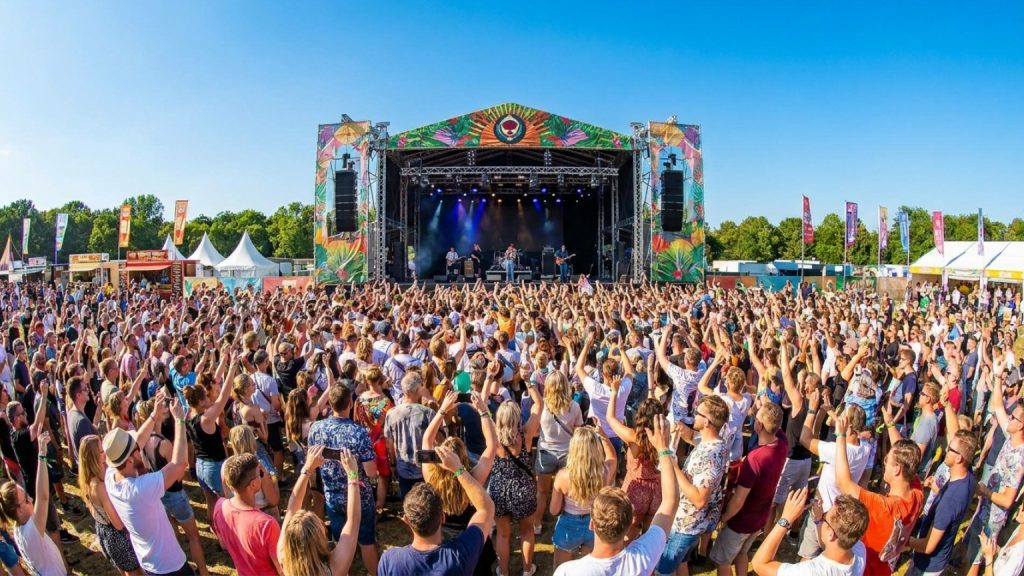
Do you often attend gatherings without fully grasping their deeper purpose? Understanding the nature of special events goes beyond mere attendance. These occasions are designed to create lasting memories and achieve specific goals. This article explains their core characteristics and why they are important.
1. What defines a special event?
- Unique Purpose: Special events aim to achieve a particular goal, different from everyday activities. For example, a wedding celebrates a union, while a music festival brings people together for entertainment.
- Limited Duration: These events occur over a defined, often short, period. They are temporary and not part of a regular schedule.
- Experience-Driven: The main focus is to create a distinct and positive experience for participants. This often involves engaging senses and emotions.
- Careful Planning: Special events need significant preparation and resource allocation. This includes managing logistics, venues, and staffing.
- Memorable Impact: They often leave a lasting impression on attendees. This makes them stand out in people’s memories.
2. Why do special events hold such importance?
Special events are more than simple gatherings; they are powerful moments that shape human experiences. These occasions create lasting memories and build connections among people. They often mark significant moments in personal lives or communities, offering unique experiences that stand apart from daily routines.
- Memory Creation: Events provide unique experiences that people remember for a long time. A graduation ceremony, for example, creates cherished memories for students and their families as they celebrate an important life milestone.
- Community Building: They bring people together and strengthen social bonds. Local street fairs often unite residents, fostering a sense of shared identity and belonging within a neighborhood.
- Cultural Expression: Events celebrate traditions, art, and heritage. A regional food festival showcases local cuisine and customs, allowing for a rich cultural exchange among attendees.
- Economic Impact: Many events draw visitors, supporting local businesses and jobs. A major sports tournament can fill hotels and restaurants, significantly boosting the local economy.
- Personal Growth: Attending or participating in events can offer new perspectives and learning opportunities. A charity run helps individuals achieve personal fitness goals while also contributing to a good cause.
Special events shape individual experiences and also influence wider society. Their value extends beyond mere entertainment, touching on emotional, social, and economic aspects.
3. How can one recognize the key elements of special events?
- Purpose and Objectives: Every special event has a clear reason for existing. This purpose guides all planning decisions and defines what success looks like for the organizers. For example, a company might host a product launch event with the objective of generating media interest and increasing early sales.
- Target Audience: Understanding who the event is for is fundamental. The audience’s demographics, interests, and expectations directly influence the event’s content, style, and atmosphere. An event for children will differ greatly from one for industry professionals.
- Theme and Concept: The theme provides a unifying idea or style that runs through the entire event. It helps to create a cohesive and immersive experience for attendees. A gala dinner, for instance, might have a «Roaring Twenties» theme, dictating decorations, music, and even dress code.
- Venue and Setting: The physical location plays a significant role in shaping the event’s feel and practicality. The venue must suit the event’s size, theme, and technical requirements. An outdoor music festival will offer a very different atmosphere than an indoor conference.
- Program and Activities: These are the specific things that happen during the event. They are designed to engage the audience and fulfill the event’s objectives. This could include speeches, performances, workshops, or interactive displays.
4. What should one consider for successful special events?
Planning successful special events requires careful thought and detailed preparation. These occasions, whether small gatherings or large conferences, aim to create memorable experiences for attendees. To achieve this, organizers must consider several key factors that influence the event’s outcome and impact.
- Clear Objectives: Define what the event needs to accomplish before planning begins. For example, a company picnic might aim to improve employee morale, while a charity gala seeks to raise funds and awareness.
- Target Audience: Understand who the event is for and what their expectations are. A children’s birthday party will have different activities and food choices than a professional development workshop.
- Budget Management: Establish a realistic budget and track all expenses closely. Setting aside a contingency fund helps manage unexpected costs, such as needing extra chairs or last-minute technical support.
- Logistics and Operations: Pay attention to practical details like venue selection, scheduling, and staffing. Ensuring clear signage at a large festival helps visitors find their way and enjoy the experience more easily.
- Contingency Planning: Prepare for potential problems and have backup solutions ready. If an outdoor concert faces heavy rain, having an indoor alternative or a plan for rain delays is essential.
Considering these elements helps ensure that special events run smoothly and achieve their intended purpose. Thoughtful planning leads to positive experiences for everyone involved.