Many travelers wish to immerse themselves in Spain’s vibrant art scene but find planning complex. The sheer volume of museums, galleries, and historical sites can be overwhelming. Understanding the best ways to experience this rich heritage requires careful consideration.
1. What is the definition of art tours in Spain and what does their experience encompass?
Art tours in Spain offer guided journeys through the country’s rich artistic heritage. These experiences connect visitors with historical periods, significant artists, and diverse art forms. The tours reveal how art reflects Spain’s complex cultural history, providing deep insights into its past.
- Definition of art tours: These specialized tours focus on the visual and performing arts found across Spain. They involve visits to significant museums, art galleries, and architectural sites, often alongside cultural events.
- Historical context through art: Art serves as a direct link to Spain’s historical evolution and its diverse influences. For instance, a tour reveals Roman ruins, Moorish palaces, and Gothic cathedrals, each representing distinct historical eras.
- Variety of artistic expressions: The tours encompass a wide range of artistic disciplines and movements. This includes world-renowned paintings by Goya and Velázquez at the Prado Museum and the unique Modernisme architecture of Antoni Gaudí in Barcelona.
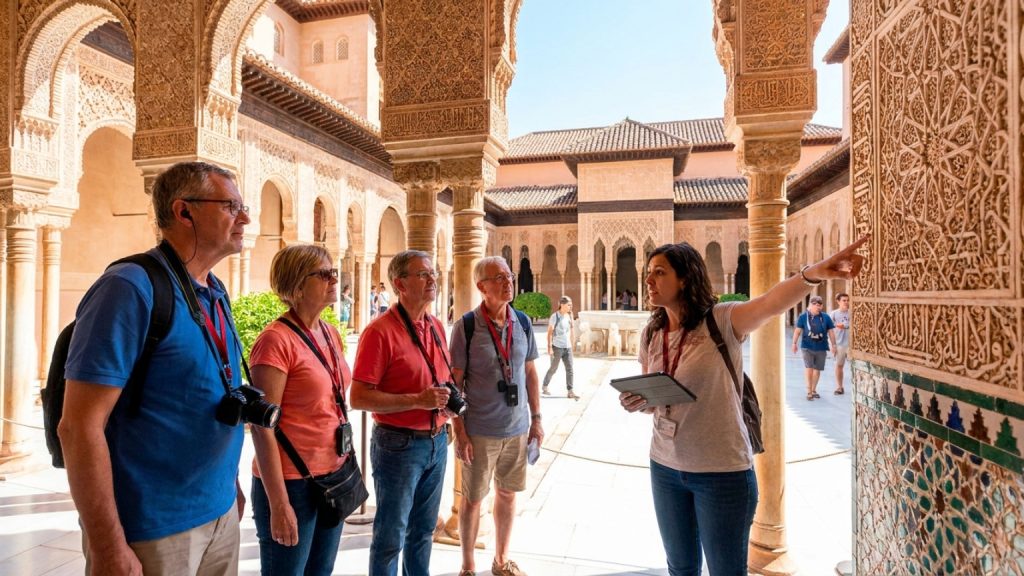
- Expert guidance and interpretation: Knowledgeable specialists lead these tours, offering in-depth historical and artistic context. Their explanations help visitors understand the cultural significance of each artwork and its place in Spanish society.
- Immersive cultural understanding: Beyond simply viewing art, these tours encourage a deeper appreciation for the broader cultural landscape. They illustrate how artistic movements influenced society and daily life, fostering a connection with Spain’s living heritage.
An art tour in Spain provides a structured way to explore the country’s artistic treasures. It offers a comprehensive understanding of how art and history intertwine to shape Spain’s identity.
2. Why does the exploration of art tours in Spain offer significant cultural enrichment?
Art tours in Spain provide a deep dive into the nation’s rich cultural history. These experiences connect visitors with centuries of artistic evolution and societal change. They reveal how art reflects historical periods, religious influences, and regional identities across the country. This exploration offers a profound understanding of Spain’s heritage understanding Spain’s heritage.
- Historical Narratives: Artworks serve as visual records of Spain’s past. A tour allows observers to trace historical events through painting, sculpture, and architecture.
- Regional Artistic Diversity: Spain’s varied geography created distinct artistic traditions. For example, a visit to Seville reveals Moorish influences, while a trip to Barcelona showcases Catalan Modernisme.
- Evolution of Artistic Styles: Participants witness the progression of art from Romanesque frescoes to contemporary installations. This journey highlights how different eras shaped Spain’s creative expression.
- Access to Masterpieces: These tours provide direct engagement with iconic works by Goya, Velázquez, and Picasso. They also introduce lesser-known but equally significant artistic treasures in smaller galleries.
- Understanding Cultural Identity: Art deeply reflects the values, beliefs, and struggles of Spanish society. Examining these pieces helps one grasp the complex layers of Spanish cultural identity.
Therefore, engaging with art tours in Spain extends beyond simple sightseeing. It provides a unique educational journey into the heart of Spanish culture and its enduring legacy.
3. How is the identification of key elements for art tours in Spain approached?
The design of art tours in Spain requires a careful selection process. Specialists identify key historical periods, artistic movements, and cultural contexts. This approach ensures that each tour reveals the depth of Spain’s artistic heritage. The goal is to connect visitors with the country’s rich cultural history through its art.
- Historical context: Tours focus on specific eras that shaped Spanish art. For example, a tour might explore the Roman influence on architecture or the impact of the Reconquista on religious art.
- Artistic movements: Key art styles are identified as central themes for the tours. This includes the intricate details of Gothic cathedrals or the vibrant colors of Surrealist paintings.
- Regional significance: Local artistic traditions and their connection to regional identity are considered. The unique works of Antoni Gaudí in Barcelona, for instance, are essential for understanding Catalan Modernisme.
- Iconic institutions and works: Major museums and their renowned collections form crucial tour elements. The Prado Museum in Madrid, housing masterpieces by Goya, Velázquez, and El Greco, offers a prime example of this focus.
- Narrative development: Tour elements are chosen to create a cohesive story. This ensures a logical and engaging journey through different periods and artistic expressions.
This careful identification process makes art tours both educational and engaging. It helps visitors understand the profound connections between art and Spain’s broader cultural narrative.
4. What are the essential steps for the planning of art tours in Spain?
The successful planning of art tours in Spain requires careful consideration of several key elements. This ensures a rich and meaningful exploration of the country’s extensive cultural history. An effective approach involves specific stages, from initial research to logistical arrangements, and the inclusion of expert insights.
- Define the Thematic Focus: A tour benefits from a clear artistic theme or period. For example, a traveler might choose to focus on Spanish Golden Age painting, exploring works by Velázquez and El Greco.
- Research Key Destinations: Identifying the most relevant cities and museums is crucial. This involves selecting sites like the Prado Museum in Madrid or the Picasso Museum in Barcelona.
- Plan Logistics Carefully: Arranging transportation, accommodation, and museum entry in advance prevents complications. This step ensures smooth transitions between different artistic sites.
- Allocate Time Effectively: Creating a realistic itinerary allows for unhurried appreciation of each artwork and location. Over-scheduling can diminish the depth of the cultural experience.
- Consider Local Expertise: Engaging with local art historians or specialized guides offers deeper insights. Their knowledge can reveal stories and contexts not found in standard guidebooks.
These preparatory actions enhance the overall appreciation of Spain’s rich artistic legacy. They ensure a deeper connection with the cultural history presented during the tour.