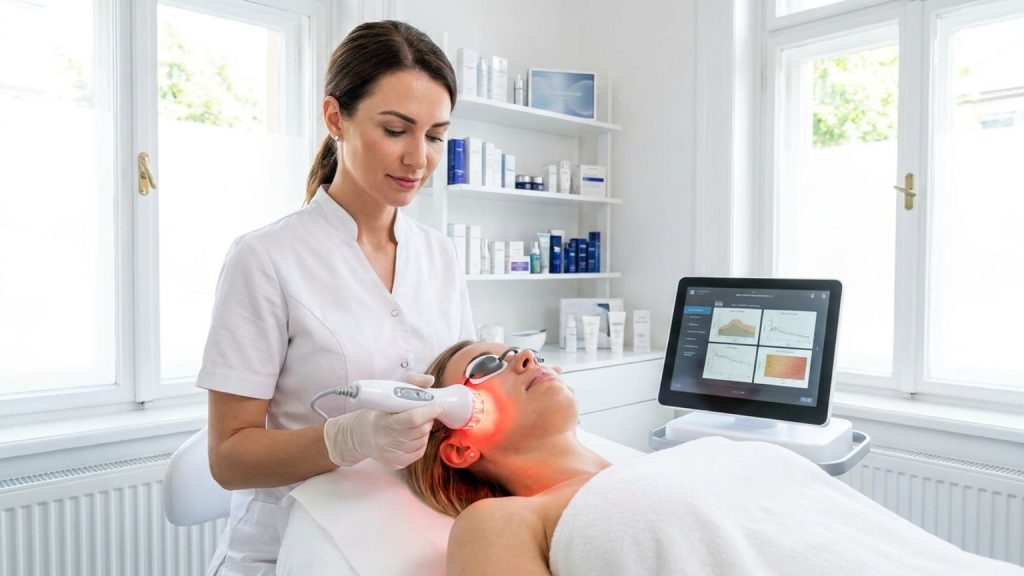
Many people face persistent skin concerns that traditional methods do not fully address. These issues often include dullness, uneven texture, or signs of aging. A desire for more effective solutions frequently arises. This article explores advanced facial treatments to provide clarity on their purpose and efficacy.
1. What is the definition of advanced facial treatments?
Advanced facial treatments represent specialized skincare procedures that extend beyond traditional facials. These methods use professional-grade products, devices, and techniques to target specific skin concerns.
Their primary goal is to achieve more significant and lasting improvements in skin health and appearance. For example, an individual dealing with persistent acne might receive a treatment involving salicylic acid peels or specific light therapy.
- Targeted Concerns: Advanced facials address specific skin issues like aging signs, acne, hyperpigmentation, and uneven texture. Each treatment is selected to combat a particular problem effectively.
- Specialized Techniques: These treatments often involve technologies such as microdermabrasion, chemical peels, microneedling, or LED light therapy. Such techniques penetrate deeper into the skin for enhanced results.
- Professional-Grade Products: The treatments use higher concentrations of active ingredients compared to retail products. These potent formulas deliver more impactful benefits to the skin.
- Customized Protocols: A specialist develops a personalized treatment plan based on a thorough skin analysis. This ensures the chosen procedures directly match the individual’s unique needs and goals.
Overall, advanced facial treatments offer a more intensive approach to skincare. They aim to provide noticeable and sustained improvements for various skin conditions.
2. What are the benefits of advanced facial treatments?
Advanced facial treatments offer more targeted solutions compared to standard facials. These specialized procedures address a range of specific skin concerns, such as fine lines, uneven tone, or acne. The treatments aim to improve skin health and enhance its overall appearance significantly. This approach provides lasting results for many individuals.
- Targeted Concern Resolution: Advanced treatments focus on specific skin problems with precision. For example, a specialized procedure can significantly reduce the appearance of sunspots or persistent acne scars because it targets the underlying causes.
- Improved Skin Texture and Tone: These procedures often refine the skin’s surface and promote a more even complexion. This occurs because the treatments help remove dead skin cells and encourage new cell growth, making the skin smoother and softer.
- Stimulated Collagen Production: Many advanced facials work to encourage the natural production of collagen within the skin. This process helps to increase skin firmness and improve its overall elasticity, which reduces sagging and fine lines.
- Deep Hydration and Nourishment: The treatments deliver powerful hydrating and nourishing ingredients deep into the skin layers. This action ensures long-lasting moisture and supports a healthy skin barrier, preventing dryness and irritation.
- Reduced Visible Signs of Aging: Advanced techniques can effectively diminish the appearance of fine lines and wrinkles. This is achieved by plumping the skin and promoting cellular regeneration, making the skin look more youthful and rejuvenated.
Therefore, advanced facial treatments provide substantial advantages for those seeking noticeable improvements in their skin. The consistent application of these specialized methods leads to healthier, more radiant skin over time.
3. What is the process of advanced facial treatments?
Advanced facial treatments involve a series of steps designed to improve skin health and appearance. The process typically begins with a thorough assessment of the individual’s skin condition. This personalized approach ensures that the chosen treatments address specific concerns. The goal is to provide targeted care for various skin types and issues.
- Initial Skin Analysis: A specialist closely examines the skin to identify concerns such as dryness, acne, or uneven tone. This step helps in creating a customized treatment plan.
- Deep Cleansing and Exfoliation: The skin is thoroughly cleansed to remove impurities and makeup. Exfoliation then removes dead skin cells, preparing the skin for deeper treatment.
- Targeted Treatment Application: Specific serums, masks, or advanced devices like microcurrent or LED therapy are applied. For example, a treatment for fine lines might use a collagen-boosting serum and a radiofrequency device.
- Nourishment and Hydration: After the active treatment, a specialized mask or rich moisturizer is applied. This step aims to replenish the skin’s moisture barrier and soothe it.
- Post-Treatment Care: The specialist applies protective products, such as sunscreen, and provides advice for at-home care. This guidance helps maintain the treatment’s benefits and promotes long-term skin health.
Each stage of an advanced facial treatment works together to improve skin vitality and clarity. This structured process ensures effective results and supports overall skin well-being.
4. How to select advanced facial treatments?
Selecting advanced facial treatments requires careful consideration. Various factors influence the best choice for an individual. It is important to seek professional guidance before making a decision. For example, a person with acne-prone skin needs different treatments than someone seeking anti-aging benefits.
- Skin analysis: A thorough skin analysis helps identify specific concerns. This assessment guides the selection of the most suitable treatment protocols.
- Treatment goals: Clearly defining desired outcomes is crucial for effective treatment selection. The specialist can then match treatments to specific objectives, such as reducing fine lines or improving texture.
- Specialist expertise: The qualifications and experience of the professional are vital. A knowledgeable specialist ensures safe and effective application of advanced techniques.
- Ingredient compatibility: Understanding how different ingredients interact with the skin is important. Certain active components may not suit sensitive skin types, so a careful review is necessary.
- Post-treatment care: Awareness of the recovery process and required maintenance is essential. Proper aftercare supports treatment longevity and improves overall results.
A personalized approach ensures the chosen treatments align with individual needs. Therefore, informed decisions lead to better outcomes and greater satisfaction.