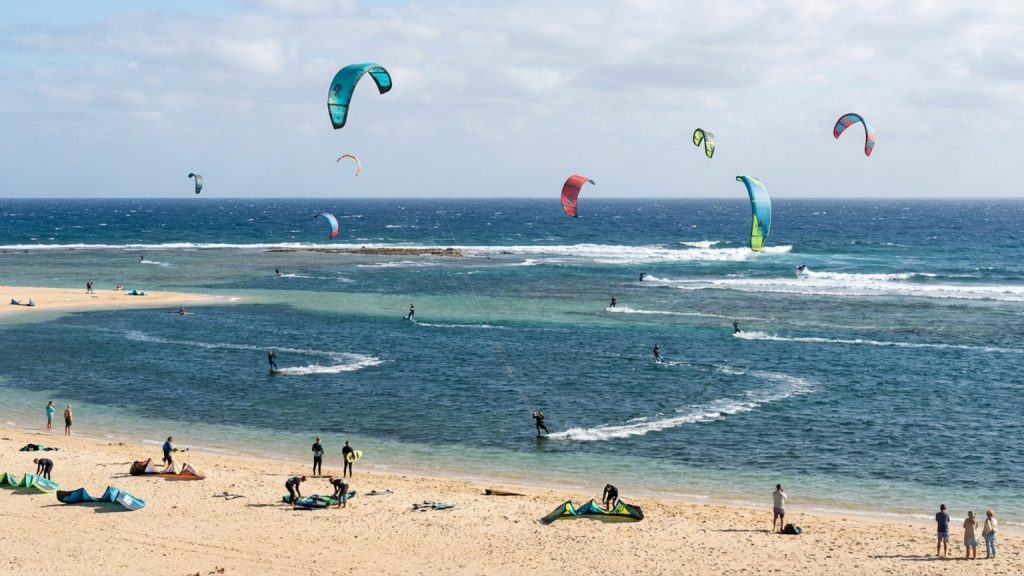
Are you looking for your next kitesurfing adventure but feel overwhelmed by the many options? Choosing the right spot can make a big difference in your experience. You want to find places with ideal conditions and a vibrant atmosphere.
1. Qué es la caracterización de los lugares para practicar kitesurf?
Characterizing kitesurfing spots means understanding their unique features and conditions. This helps riders choose the best location for their skill level and preferred style. Knowing a spot’s characteristics also greatly improves safety and enjoyment on the water. For example, a beginner needs very different conditions than an experienced wave rider.
- Wind Conditions: The wind is crucial for kitesurfing. Riders need to know its typical direction, strength, and how consistent it is at a particular spot.
- Water Conditions: Water type affects the riding experience. Some spots offer flat, calm water perfect for learning, while others have choppy water or large waves for advanced tricks.
- Launch and Landing Area: A safe area to set up and launch your kite is essential. Look for wide, clear beaches without many obstacles or crowds.
- Obstacles and Hazards: Always check for potential dangers in and out of the water. These can include rocks, strong currents, marine life, or heavy boat traffic.
- Local Infrastructure: The presence of schools, rental shops, and rescue services adds to a spot’s appeal. These services provide support and increase safety, especially for those new to the area.
Understanding these characteristics helps you make informed choices about where to kitesurf. It ensures a safer and more rewarding experience every time you go out.
2. Por qué es importante la elección de los lugares para practicar kitesurf?
Choosing the right kitesurfing location is very important for many reasons. Your spot affects your safety, how quickly you learn, and how much fun you have. A good location matches your skill level and provides suitable conditions. For example, a beginner needs calm, shallow water to practice safely water practice safely.
- Safety conditions: The right location minimizes risks. It offers predictable winds and few underwater hazards, which is vital for new learners.
- Wind consistency: Consistent wind helps you learn quickly and practice effectively. Locations with stable wind patterns prevent frustrating waits and maximize your time on the water.
- Water depth and obstacles: Shallow water lets beginners stand up easily and recover their board. Avoiding rocks, reefs, or crowded areas also prevents accidents and equipment damage.
- Rider skill level: Different spots are better for different skill levels. Beginners need calm, flat water, while advanced riders look for waves or strong winds for tricks.
- Support and services: Access to schools, equipment rentals, and rescue services makes your trip better. These resources provide help and guidance, especially if you are new to the sport.
Selecting the right place ensures a safer and more enjoyable kitesurfing experience. It directly influences your progress and overall satisfaction with the sport.
3. Cómo es la identificación de los lugares ideales para la práctica de kitesurf?
Finding the best kitesurfing locations requires understanding specific environmental conditions. You need a mix of reliable wind, suitable water, and enough space for safety. These elements work together to create an enjoyable and secure experience. Considering these factors helps you pick the right spot for your skill level.
- Consistent Wind: Steady and predictable wind is the most important factor for kitesurfing. It allows for consistent riding and safer conditions; for example, some coastal areas experience thermal winds that reliably pick up every afternoon.
- Shallow, Flat Water: Beginners benefit greatly from shallow, flat water because it makes standing up and retrieving gear easier. This type of water also helps advanced riders practice new tricks without large waves, such as in a lagoon or a bay protected by a sandbar.
- Large, Open Space: Kitesurfing requires ample space, both on the beach for launching and landing the kite and in the water for riding. Wide, sandy beaches with few obstacles like trees or buildings are ideal to ensure safety for yourself and others.
- Safety Considerations: A good kitesurfing spot often has clear safety guidelines or local support, such as nearby schools or rescue services. Knowing help is available gives you peace of mind, especially when you are learning; for instance, some popular spots have designated zones for different skill levels.
- Accessibility and Facilities: Easy access to the beach, sufficient parking, and basic amenities like restrooms or a small cafe can improve your overall experience. These conveniences make your day on the water more comfortable, so a spot near a town with rental shops and food options is often preferred.
Identifying an ideal kitesurfing location involves checking for strong, consistent wind, suitable water conditions, and plenty of space. You also benefit from places offering good safety measures and easy access, which will greatly improve your kitesurfing adventure.
4. Qué hacer para la planificación de un viaje a los lugares para practicar kitesurf?
- Spot Research: Look into the wind patterns and water conditions of your chosen destination. For example, some places like Tarifa offer consistent strong winds, while others might be better for beginners with gentler breezes. This helps you pick the best time to visit.
- Gear and Packing: Make sure your kitesurfing equipment is ready or plan for rentals. Consider the specific conditions of the spot; you might need different kite sizes for strong winds versus light winds. Pack appropriate clothing and sun protection.
- Accommodation and Travel: Book your flights and lodging well in advance, especially for popular kitesurfing seasons. Think about how you will get to the kitesurfing beach from your accommodation. Many spots have hotels or guesthouses close to the water.
- Lessons or Guidance: If you are new to a spot or a beginner, consider booking lessons or hiring a local guide. This helps you understand the local conditions and stay safe. For instance, a certified instructor can teach you about currents and wind shifts.
- Safety and Insurance: Always check local safety rules and consider travel insurance that covers extreme sports. Knowing emergency procedures and having contact information for local services is important. This ensures you are prepared for any unexpected events.