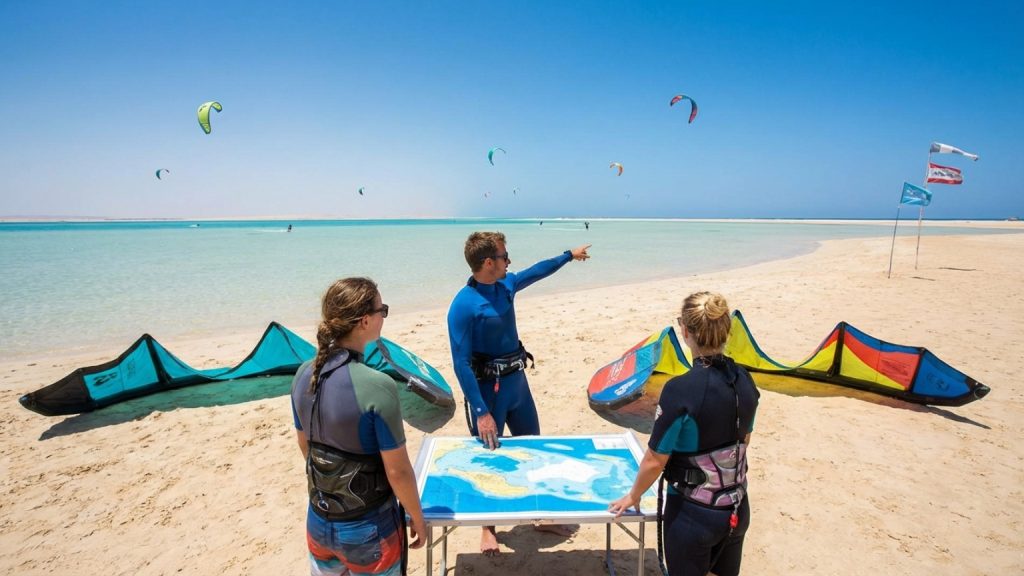
Kitesurfing offers an exhilarating experience, but safety is always a top concern. You might wonder how to find suitable locations that minimize risks. Choosing the right spot is crucial for both beginners and experienced riders. This guide helps you understand what makes a kitesurfing location truly safe.
1. Qué características definen los lugares seguros para kitesurf?
When you choose a kitesurfing spot, safety should be your main concern. Certain features define a safe location for this exciting sport. Understanding these characteristics helps you make informed decisions before you get on the water get the water.
- Consistent Wind: Predictable and steady wind is crucial for safe kitesurfing. Gusty winds make kite control difficult and increase the risk of accidents.
- Shallow, Flat Water: Beginners should look for spots with shallow, calm water. This allows for easier recovery and reduces the risk of drifting into dangerous areas.
- Clear Launch and Landing Zones: An ideal spot has a large, clear beach area free from obstacles like trees or buildings. This provides ample space for launching and landing your kite safely. For example, a wide, sandy beach allows you to set up your gear without hitting anything.
- Absence of Obstacles: Safe locations lack submerged rocks, strong currents, or heavy boat traffic. These elements can cause entanglement or collisions, posing serious risks to riders.
- Presence of Support: Spots with established kitesurfing schools often have designated safe zones and offer rescue services. This provides an extra layer of security, especially for new riders.
Prioritizing these safety features ensures a more enjoyable and secure kitesurfing experience. Always research your chosen location thoroughly to confirm it meets these important criteria.
2. Por qué la elección de lugares seguros para kitesurf es crucial para tu experiencia?
Choosing safe kitesurfing spots is vital for a good experience. It directly impacts your learning, your fun, and your personal safety. Unsafe conditions can quickly turn an exciting day into a difficult one. Therefore, understanding spot safety before you go out is essential you out essential.
- Personal Safety: Kitesurfing involves strong winds and water, so risks exist. Choosing a safe spot helps prevent injuries and ensures you return home unharmed. For example, avoiding areas with strong currents or hidden obstacles keeps you much safer.
- Learning Progress: Beginners need calm, predictable conditions to learn effectively. A safe spot allows you to focus on technique without fighting unexpected hazards. This helps you improve your skills much faster.
- Equipment Durability: Kitesurfing gear is an investment. Practicing in safe areas reduces the chance of damaging your kite or board on rocks, shallow water, or other obstacles. Protecting your equipment saves you money in the long run.
- Enjoyment and Confidence: A worry-free environment makes your session more fun. Knowing the spot is safe builds your confidence, letting you experiment and enjoy the sport fully. This positive experience encourages you to keep kitesurfing.
Prioritizing safe kitesurfing locations enhances every aspect of your time on the water. It ensures a positive learning curve and helps you create lasting, good memories.
3. Cómo identificar los lugares seguros para kitesurf antes de tu viaje?
Before you travel, it is important to know how to find safe kitesurfing locations. Identifying these spots ahead of time helps ensure a good and secure experience.
This preparation is key to avoiding common risks and enjoying your time on the water. You should research several factors to make sure your trip is both safe and fun.
- Wind conditions: Research the typical wind strength and direction for your chosen spot before you go. Consistent, steady winds are safer for kitesurfing than gusty or offshore winds, which can carry you far from the shore.
- Obstacles and hazards: Look for clear launching and landing areas that are free from power lines, buildings, or large rocks. You should also check for underwater obstacles like reefs or strong currents, as these make a spot less safe.
- Water depth and tides: Choose locations with enough water depth for your activity, but always consider tidal changes. Shallow water at low tide can be dangerous for your equipment and body, especially when you are learning.
- Local regulations and support: Check for specific kitesurfing zones, available rescue services, or nearby kitesurfing schools. Spots with clear rules and professional support staff are often much better for new riders.
- Crowd levels: Avoid overly crowded spots, especially when you are still learning how to kitesurf. Having more space reduces the chance of collisions with other riders or people on the beach.
Taking the time to research these aspects will greatly improve your safety and enjoyment on the water. Proper planning helps you choose the best environment for a successful and fun kitesurfing adventure.
4. Qué pasos tomar para asegurar una práctica segura en lugares para kitesurf?
Ensuring your safety while kitesurfing is crucial, especially when exploring new spots. Taking specific precautions helps you manage risks and enjoy your time on the water. Following established safety guidelines allows for a much better experience. These steps will guide you in making informed choices about where and how to practice safely.
- Check Local Conditions: Always check wind direction, strength, and current forecasts before you go out. For example, an offshore wind can quickly carry you far from shore, making it hard to return safely.
- Understand the Spot Layout: Learn about the specific characteristics of the kitesurfing area, including any obstacles or restricted zones. This includes understanding safe launch and landing areas, which are often marked.
- Inspect Your Equipment Thoroughly: Before each session, carefully check your kite, lines, harness, and board for any wear or damage. A small tear or fraying line can lead to equipment failure in the water.
- Assess Your Skill Level Honestly: Choose spots and conditions that match your current kitesurfing ability. A beginner should avoid challenging wave spots or high winds until they gain more experience.
- Seek Local Advice and Ride with Others: Talk to local riders about the spot’s nuances and never kitesurf alone, especially in new or unfamiliar places. Having someone else nearby can be vital if you need help.
By following these steps, you significantly reduce risks and increase your enjoyment of kitesurfing in any location. Your diligent approach to safety ensures a positive and secure experience on the water.