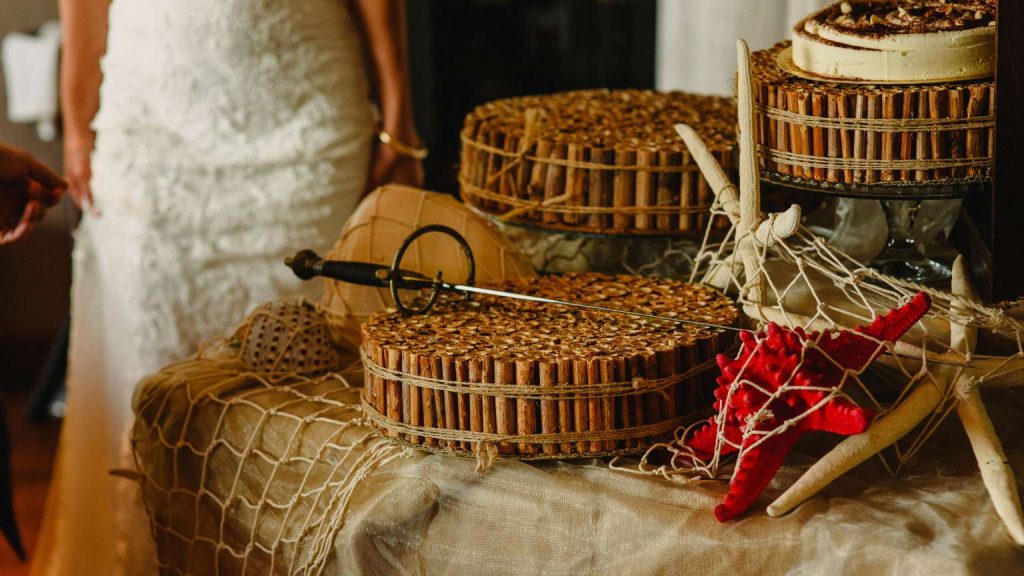
Cada persona ama de forma diferente. Por eso, hay parejas que buscan una forma distinta de celebrar su unión. En un mundo donde todo se estandariza, una ceremonia exótica es una declaración de identidad. Un homenaje a quienes sois, a lo que creéis y a lo que os emociona.
1. Una ceremonia exótica nace del alma, no del protocolo
Las ceremonias personalizadas no imitan un estilo. Lo integran. No se trata de disfrazarse ni de forzar una temática. Se trata de expresar la esencia de una pareja a través de los elementos simbólicos que mejor la representen.
La inspiración puede venir de
- Una cultura que os conmueve.
- Un movimiento estético que refleja vuestra identidad.
- Un estilo musical que forma parte de vuestra historia.
- Una filosofía espiritual que os conecta con lo sagrado.
Cada elemento se adapta al rito, no al revés.
2. No es disfraz, es conexión emocional y auténtica
Elegir una ceremonia gótica, rockera o hindú no significa hacer un show. Significa crear un momento de verdad, donde cada gesto, palabra o canción tiene sentido. El trabajo de la oficiante de bodas consiste en conectar con esa energía y transformarla en un guion vivo.
Algunas claves para lograrlo
- Escuchar sin juicio lo que os mueve.
- Investigar autores, textos o rituales afines a ese estilo.
- Construir un relato coherente que respire vuestra esencia.
- Involucrar invitados para sorprenderos si es posible.
3. Estilos que inspiran ceremonias inolvidables
Hay infinitas maneras de crear una ceremonia exótica. Algunos ejemplos que han cobrado fuerza en los últimos años:
- Ceremonias hippies o flower power, con colores, flores, libertad.
- Estilo rockero, con letras de canciones y energía vibrante.
- Ceremonias espirituales con meditación, respiración o silencio.
- Estilo gótico, con simbolismo, teatralidad y belleza oscura.
- Inspiración celta, con elementos naturales y conexión ancestral.
- Estilo hindú, con colores, incienso, música tradicional.
La ceremonia no es un adorno. Es un ritual con alma.
Explorar opciones fuera de lo común puede abrir la puerta a una ceremonia que hable el idioma del alma. Entender que no existen reglas fijas es el primer paso para diseñar una experiencia que conecte de verdad con quienes sois.
4. La música y los textos crean la atmósfera perfecta
Una de las herramientas más potentes para darle identidad a la ceremonia es el lenguaje. Y eso incluye:
- Letras de canciones que os conectan.
- Fragmentos de autores que amáis.
- Textos sagrados o filosóficos con los que resonáis.
- Poemas, silencios o reflexiones escritas a medida.
Como maestra de ceremonias, adapto el tono, el ritmo y el contenido a lo que realmente queréis vivir. Y si el estilo lo permite, también propongo levantaros, cantar, reír o simplemente respirar juntos.
5. Risas, vibración o meditación, todo se diseña a medida
Cada estilo invita a un tipo de energía. Por eso, el diseño emocional también forma parte de la ceremonia.
Ejemplos de propuestas adaptadas
- En ceremonias con humor: cómplices invitados y anécdotas cómicas.
- En ceremonias tipo concierto: versos de canciones, sonidos en directo.
- En ceremonias espirituales: respiración guiada, momentos de silencio.
- En ceremonias teatrales: voces, dramatización o narración creativa.
Todo depende de vuestra historia y de lo que deseéis transmitir.
Descubrir qué estilo os representa es una oportunidad para crear desde lo auténtico. Ya sea espiritual, alternativo, cómico o simbólico, todo puede tomar forma con la guía adecuada y sin renunciar a vuestra esencia.
6. Ibiza y Formentera potencian la diversidad ceremonial
Las bodas en Ibiza son famosas por su diversidad, por eso aquí florecen estilos distintos. Y lo mismo sucede en Formentera. En estas islas, cada atardecer, playa o bosque puede ser el escenario perfecto para una ceremonia que se salga de lo habitual.
Y si el destino es otro, la esencia viaja con vosotros. La celebración puede tener lugar:
- En un estudio de arte.
- En un bosque urbano o una terraza con vistas.
- En un teatro, una casa familiar o en otro país.
Lo importante es que ese espacio os represente.
7. El rol de la oficiante de bodas como canal creativo
En estas ceremonias, la persona que oficia no solo coordina. Es una guía, una artista, una creadora de experiencias. Su labor no es solo leer, sino crear atmósferas que emocionan y conectan.
Funciones clave de una maestra de ceremonias en ceremonias exóticas
- Entrevistaros a fondo para conoceros.
- Proponer ideas adaptadas a vuestra identidad.
- Coordinar el guion con música, invitados y ritmos.
- Garantizar que cada momento tenga coherencia y magia.
La libertad ceremonial empieza por sentirse escuchados.
8. Cómo empezar a imaginar una ceremonia distinta
Todo comienza con una conversación. No hace falta tenerlo claro. Solo compartir lo que os mueve, lo que no queréis y lo que os haría sentir en casa.
El proceso es simple
- Entrevistas presenciales o virtuales.
- Explicación de estilos, opciones, rituales.
- Borrador del guion con espacio para ajustar.
- Coordinación con invitados si se desea.
- Celebración final en el espacio elegido.
Dar forma a una ceremonia exótica es mucho más que planear un evento. Es diseñar un momento transformador que quede en la memoria de todos por su verdad, sensibilidad y conexión emocional.
Una ceremonia simbólica exótica no es para todos. Pero si buscáis verdad, estilo, emoción y una experiencia fuera de lo común, puede ser exactamente lo que os representa.
—————————–
Exotic ceremonies that define you. Inspiration without limits.
Each person loves in a different way. That’s why some couples look for a different way to celebrate their union. In a world where everything is standardized, an exotic ceremony is a statement of identity. A tribute to who you are, what you believe in, and what moves you.
1. An exotic ceremony is born from the soul, not from protocol
Personalized ceremonies do not imitate a style. They integrate it. It’s not about dressing up or forcing a theme. It’s about expressing the essence of a couple through the symbolic elements that best represent them.
Inspiration can come from
- A culture that moves you.
- An aesthetic movement that reflects your identity.
- A musical style that is part of your story.
- A spiritual philosophy that connects you to the sacred.
Each element adapts to the ritual, not the other way around.
2. It’s not costume, it’s emotional and authentic connection
Choosing a gothic, rock, or Hindu ceremony doesn’t mean putting on a show. It means creating a moment of truth, where every gesture, word, or song has meaning. The job of the wedding officiant is to connect with that energy and transform it into a living script.
Key elements to achieve it
- Listening without judgment to what moves you.
- Researching authors, texts, or rituals aligned with that style.
- Building a coherent story that breathes your essence.
- Involving guests to surprise you if possible.
3. Styles that inspire unforgettable ceremonies
There are endless ways to create an exotic ceremony. Some examples that have gained popularity in recent years:
- Hippie or flower power ceremonies, with colors, flowers, freedom.
- Rock style, with song lyrics and vibrant energy.
- Spiritual ceremonies with meditation, breathing, or silence.
- Gothic style, with symbolism, theatricality, and dark beauty.
- Celtic inspiration, with natural elements and ancestral connection.
- Hindu style, with colors, incense, and traditional music.
The ceremony is not a decoration. It’s a ritual with soul.
Exploring options outside the ordinary can open the door to a ceremony that speaks the language of the soul. Understanding that there are no fixed rules is the first step to designing an experience that truly connects with who you are.
4. Music and words create the perfect atmosphere
One of the most powerful tools to give identity to the ceremony is language. And this includes:
- Song lyrics that connect you.
- Fragments from authors you love.
- Sacred or philosophical texts that resonate with you.
- Poems, silences, or reflections written just for you.
As a ceremony master, I adapt the tone, rhythm, and content to what you truly want to experience. And if the style allows it, I also suggest standing up, singing, laughing, or simply breathing together.
5. Laughter, vibration, or meditation — everything is custom designed
Each style invites a specific type of energy. That’s why the emotional design is also part of the ceremony.
Examples of tailored ideas
- In humorous ceremonies: guest accomplices and funny anecdotes.
- In concert-style ceremonies: song verses and live sounds.
- In spiritual ceremonies: guided breathing and moments of silence.
- In theatrical ceremonies: voices, dramatization, or creative narration.
Everything depends on your story and what you want to express.
Discovering what style represents you is an opportunity to create from authenticity. Whether spiritual, alternative, comic, or symbolic — everything can take shape with the right guidance and without giving up your essence.
6. Ibiza and Formentera enhance ceremonial diversity
Weddings in Ibiza are known for their diversity, which is why different styles flourish here. The same happens in Formentera. On these islands, every sunset, beach, or forest can be the perfect stage for a ceremony that breaks away from the usual.
And if the destination is somewhere else, the essence travels with you. The celebration can take place:
- In an art studio.
- In an urban forest or a terrace with views.
- In a theater, a family home, or another country.
What matters is that the space represents you.
7. The role of the wedding officiant as a creative channel
In these ceremonies, the person officiating doesn’t just coordinate. They are a guide, an artist, a creator of experiences. Their role is not just to read, but to create atmospheres that move and connect.
Key roles of a ceremony master in exotic celebrations
- Interviewing you in-depth to get to know you.
- Suggesting ideas tailored to your identity.
- Coordinating the script with music, guests, and rhythm.
- Ensuring each moment has coherence and magic.
Ceremonial freedom begins with feeling heard.
8. How to begin imagining a different kind of ceremony
It all starts with a conversation. You don’t need to have it all figured out. Just share what moves you, what you don’t want, and what would make you feel at home.
The process is simple
- In-person or virtual interviews.
- Explanation of styles, options, and rituals.
- Script draft with space for edits.
- Coordination with guests if desired.
- Final celebration in the chosen space.
Shaping an exotic ceremony is much more than planning an event. It’s about designing a transformative moment that stays in everyone’s memory for its truth, sensitivity, and emotional connection.
An exotic symbolic ceremony is not for everyone. But if you seek truth, style, emotion, and an experience beyond the ordinary, it might be exactly what represents you.