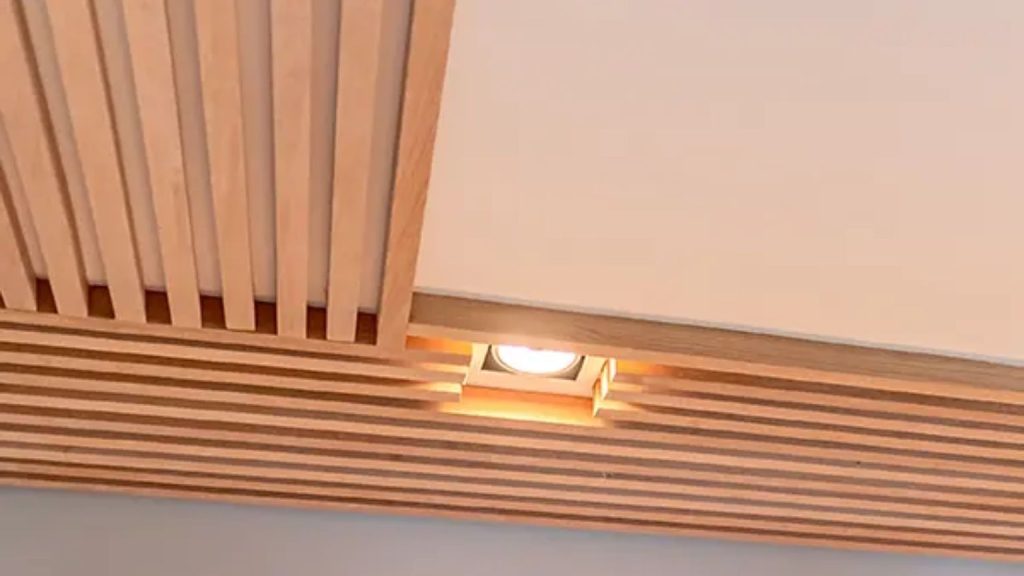
En el mundo del interiorismo, la luz natural es uno de los factores más determinantes a la hora de elegir el mobiliario adecuado. No solo influye en la atmósfera de un espacio, sino también en cómo se perciben los materiales, los colores y las formas.
En este contexto, el trabajo artesanal y la filosofía de diseño de Manuel Rua, una mueblería especializada en piezas a medida y fabricadas con maderas nobles, ofrece soluciones que armonizan estéticamente con cada entorno.
1. La orientación de la luz, un punto de partida
Antes de elegir un mueble, conviene observar cómo entra la luz en cada estancia y durante qué horas del día. Las habitaciones orientadas al norte suelen recibir una luz más fría y constante, mientras que las del sur gozan de una luminosidad cálida e intensa.
En el primer caso, conviene optar por maderas claras como el arce o el castaño, que aportan luminosidad. Para espacios más soleados, maderas oscuras como el nogal o el roble ofrecen contraste y profundidad visual.
Manuel Rua, como mueblería de referencia, trabaja de forma personalizada para adaptar cada pieza al tipo de luz predominante en la vivienda, asegurando equilibrio estético y funcionalidad. Descubra cómo el mobiliario artesanal puede adaptarse a al espacio.
2. Texturas y acabados que reflejan o absorben la luz
Los acabados mate absorben más luz, aportando calidez y sobriedad. Por el contrario, los acabados satinados o ligeramente pulidos reflejan mejor la luz natural, haciendo que los espacios parezcan más amplios.
En este sentido, el equipo de Manuel Rua analiza la dirección y cantidad de luz para definir qué tratamiento aplicar a cada superficie.
Un acabado encerado puede ser ideal para un comedor con grandes ventanales, mientras que uno aceitado con textura natural resulta más cálido en estancias con menos iluminación. La mueblería ofrece asesoramiento detallado para lograr el efecto deseado según las condiciones lumínicas de cada hogar.
3. Color y contraste según la intensidad lumínica
El color de la madera también se ve afectado por la cantidad de luz natural. En habitaciones muy iluminadas, los tonos oscuros no saturan el ambiente, mientras que en estancias poco luminosas es preferible evitar maderas demasiado intensas que puedan oscurecer el espacio.
Una de las ventajas de acudir a una mueblería como Manuel Rua es la posibilidad de elegir entre distintas tonalidades y acabados, con el acompañamiento de un equipo que entiende la interacción entre luz, material y espacio.
Conoce al equipo y empieza a dar forma al próximo mueble a medida.
4. Tamaño y volumen, la luz también condiciona la escala
La cantidad de luz natural también influye en la percepción del volumen. En espacios bien iluminados, es posible incorporar muebles de mayor escala sin que resulten pesados visualmente.
En cambio, en ambientes más sombríos, conviene elegir diseños ligeros, con patas estilizadas o estructuras más abiertas que permitan el paso de la luz y favorezcan la fluidez visual.
Manuel Rua diseña cada pieza con atención al equilibrio entre masa y espacio, ofreciendo soluciones que armonizan con la arquitectura y la luz natural disponible.
5. Muebles que dialogan con el entorno
Elegir un mueble perfecto no es solo una cuestión de gusto o funcionalidad. Es una decisión estética que debe tener en cuenta el entorno real en el que esa pieza va a convivir. La luz natural cambia a lo largo del día y con las estaciones; por ello, un diseño bien pensado debe responder con flexibilidad a esos matices.
En la mueblería cada proyecto se aborda como una experiencia única. Se estudian la orientación, los materiales de la vivienda, el uso de cada habitación y la calidad de la luz para crear piezas que no solo encajan, sino que realzan el conjunto.
Explore nuestra filosofía artesanal y el compromiso que define cada proyecto.
6. la luz como aliada del diseño
Comprender cómo afecta la luz natural a los materiales, formas y colores es esencial para elegir un mobiliario que no solo decore, sino que transforme el espacio. Contar con una mueblería que trabaje desde la observación, la escucha y el oficio marca la diferencia.
Manuel Rua convierte cada proyecto en una colaboración con la luz, la arquitectura y la intención del cliente. Porque el diseño no termina en el objeto: empieza en el entorno.
How to choose the perfect furniture according to your home’s natural light
In the world of interior design, natural light is one of the most decisive factors when choosing the right furniture. It not only influences the atmosphere of a space but also how materials, colors, and shapes are perceived.
In this context, the artisanal work and design philosophy is specialized in custom-made pieces crafted from noble woods, offer solutions that aesthetically harmonize with every setting.
1. Light orientation, the starting point
Before choosing a piece of furniture, it is advisable to observe how light enters each room and at what times of day. North-facing rooms usually receive cooler and more constant light, while south-facing ones enjoy warm, intense brightness.
In the first case, it’s best to choose light woods like maple or chestnut, which enhance brightness. For sunnier spaces, darker woods such as walnut or oak provide visual depth and contrast.
Manuel Rua, works personally to adapt each piece to the predominant light in the home, ensuring aesthetic balance and functionality. Discover how handcrafted furniture can adapt to the space.
2. Textures and finishes that reflect or absorb light
Matte finishes absorb more light, adding warmth and subtlety. In contrast, satin or lightly polished finishes better reflect natural light, making spaces appear larger. In this regard, the Manuel Rua team analyzes the direction and intensity of light to determine the ideal finish for each surface.
A waxed finish can be ideal for a dining room with large windows, while an oiled surface with natural texture feels warmer in rooms with less light. The furniture offers detailed advice to achieve the desired effect based on the lighting conditions of each home.
3. Color and contrast based on light intensity
The color of wood is also affected by the amount of natural light. In very bright rooms, dark tones won’t oversaturate the atmosphere, while in poorly lit spaces, it’s preferable to avoid overly intense woods that may darken the space.
One of the advantages is the possibility of choosing from various tones and finishes, with guidance from a team that understands the interaction between light, material, and space.
Meet the team and start shaping the custom-made piece of furniture.
4. Size and volume, light also defines scale
The amount of natural light also influences how we perceive volume. In well-lit spaces, it’s possible to incorporate larger furniture pieces without them appearing heavy. In dimmer environments, it’s better to choose lightweight designs, with slender legs or open structures that allow light to pass through and enhance visual flow.
Manuel Rua designs each piece with attention to the balance between mass and space, offering solutions that harmonize with the architecture and available light.
5. Furniture that speaks to its surroundings
Choosing the perfect piece of furniture is not just a matter of taste or functionality. It’s an aesthetic decision that must consider the real environment in which the piece will live. Natural light changes throughout the day and across seasons; therefore, a well-thought-out design must flexibly respond to those nuances.
Each project is approached as a unique experience. The orientation, materials in the home, the function of each room, and the quality of light are studied to create pieces that not only fit, but elevate the space.
Explore the artisanal philosophy and the commitment that defines each project.
6. Light as a design ally
Understanding how natural light affects materials, shapes, and colors is essential to choosing furniture that not only decorates but transforms a space. Having furniture that works from observation, listening, and craft makes all the difference.
Manuel Rua turns each project into a collaboration with light, architecture, and the client’s intention. Because design doesn’t end with the object—it begins with the space.