Maintaining a property can present significant challenges for owners, especially when they are not always present. Neglecting regular upkeep often leads to costly repairs and a decrease in the asset’s overall value. Therefore, understanding the comprehensive scope of property maintenance is crucial for protecting an investment and ensuring its long-term viability and appeal.
1. What is the scope of professional property maintenance?
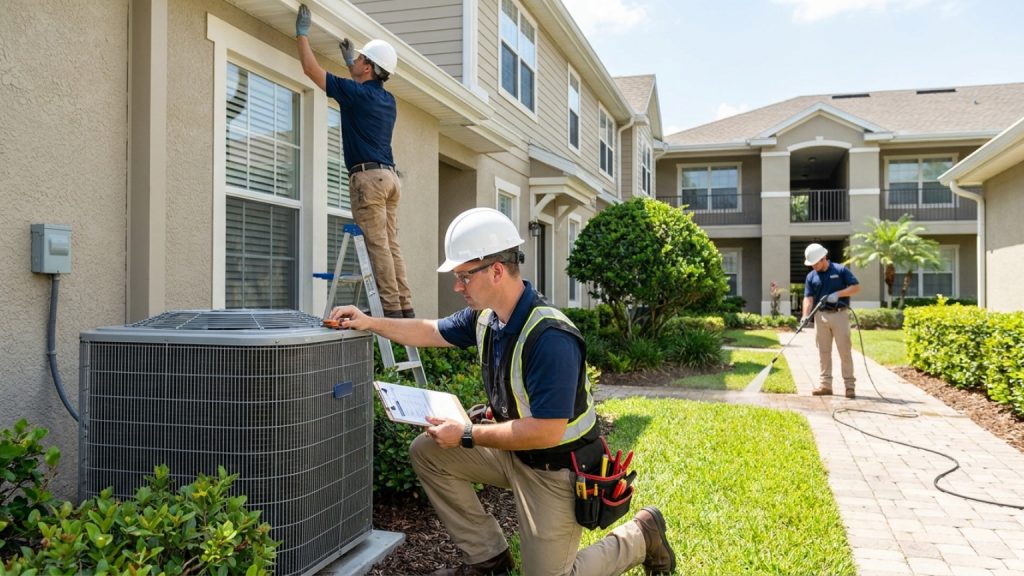
Professional property maintenance involves a broad range of services essential for preserving a property’s value and functionality. It extends beyond basic upkeep, covering both preventative and reactive measures.
This comprehensive approach ensures the property remains in excellent condition, benefiting both owners and occupants. For example, an owner living away from Tenerife relies on these services to keep their investment secure.
- Routine Inspections: Regular checks identify potential issues early. This prevents minor problems from escalating into expensive repairs or significant disruptions for occupants.
- Preventative Maintenance: Scheduled tasks keep systems and components in good working order. This includes servicing air conditioning units or cleaning drainage systems before problems arise.
- Responsive Repairs: Addressing unexpected breakdowns or damage quickly is crucial. A prompt response to a faulty water heater ensures minimal inconvenience for guests.
- Exterior and Grounds Care: Maintaining the property’s outdoor areas enhances its appeal and value. This often includes landscaping, pool maintenance, and general tidiness.
- Compliance and Safety Checks: Ensuring the property adheres to local regulations and safety standards is vital. Regular checks on fire alarms and emergency exits protect everyone.
Engaging professional property maintenance protects a real estate investment over time. It ensures the property operates smoothly, enhancing its market appeal and occupant satisfaction.
2. Why is consistent property maintenance important for asset value?
Consistent property maintenance protects and enhances the overall value of an asset. Neglecting a property often leads to rapid depreciation, reducing its market appeal and potential returns. Regular care ensures the property remains in excellent condition, securing its long-term financial benefits for the owner.
- Preservation of Structural Integrity: Regular inspections and minor repairs prevent small issues from becoming major problems. Addressing a minor roof leak early, for example, avoids extensive water damage, mold growth, and costly structural repairs that significantly diminish property value.
- Enhanced Curb Appeal: A well-maintained exterior makes a strong positive impression on potential buyers or tenants. Fresh paint, tidy landscaping, and clean surfaces directly contribute to the property’s attractiveness and perceived worth. An unkempt garden or peeling paint can deter interest, even if the interior is perfect.
- Prevention of Costly Repairs: Preventive maintenance identifies and resolves potential issues before they escalate into expensive emergencies. For instance, annual servicing of an air conditioning unit prevents breakdowns during peak season, which would otherwise require urgent and costly repairs.
- Compliance with Regulations: Many jurisdictions have specific maintenance requirements for properties, especially rentals. Adhering to these standards, such as regular checks on fire alarms and electrical systems, avoids fines and ensures the property meets safety regulations, protecting both occupants and the owner’s investment.
- Higher Rental Yields: Properties that are consistently well-maintained typically command higher rental prices. Tenants are often willing to pay more for a comfortable, reliable, and problem-free living space. A property with updated appliances and a freshly painted interior will rent faster and for a greater amount than one showing signs of neglect.
Therefore, consistent property maintenance should be viewed as a critical investment, not an expense. This approach safeguards the property’s value and ensures strong returns over time.
3. How does one identify the need for property maintenance services?
- Visual Deterioration: Visible signs of damage, such as peeling paint, cracked tiles, or stained ceilings, often signal a maintenance need. These issues can affect a property’s appearance and may also point to underlying problems like water leaks.
- Functional Problems: When systems or appliances do not work correctly, maintenance is necessary. This includes plumbing leaks, electrical faults, or heating and cooling units that fail to operate efficiently.
- Seasonal Changes: Regular checks before and after extreme weather seasons are important. Inspecting gutters before heavy rains or checking insulation before winter helps prevent common seasonal damage.
- Age of Components: Older components, like roofs, water heaters, or windows, naturally approach the end of their lifespan. These items require more frequent inspections and might soon need replacement or major repair work.
- Tenant Feedback: Reports from tenants provide direct information about issues affecting the living experience. Addressing these concerns quickly improves tenant satisfaction and prevents problems from worsening.
4. What are the key steps in effective property maintenance planning?
Effective property maintenance planning is crucial for preserving an asset’s value and ensuring its functionality. A well-structured plan helps prevent minor issues from becoming major problems. This preventive approach ensures the property remains safe, attractive, and efficient for its occupants.
- Regular Inspections: Consistent property inspections identify potential problems before they escalate. For example, checking the roof for damaged tiles or inspecting plumbing for small leaks can prevent significant water damage later.
- Budget Allocation: A dedicated budget must be established for both routine maintenance and unforeseen repairs. This ensures that necessary funds are available, preventing delays in critical work.
- Scheduled Tasks: Creating a clear schedule for maintenance tasks helps organize work throughout the year. This includes annual servicing of HVAC systems or seasonal gutter cleaning to prevent blockages.
- Record Keeping: Maintaining detailed records of all maintenance performed is highly beneficial. This documentation helps track service history, warranty information, and informs future maintenance decisions.
- Professional Engagement: Selecting qualified and reliable professionals for specialized tasks is important. Engaging experienced technicians for electrical work or structural repairs ensures high-quality and safe outcomes.
These essential steps form the foundation of an effective property maintenance strategy. Following this structured approach protects the property investment and ensures its long-term health and appeal.