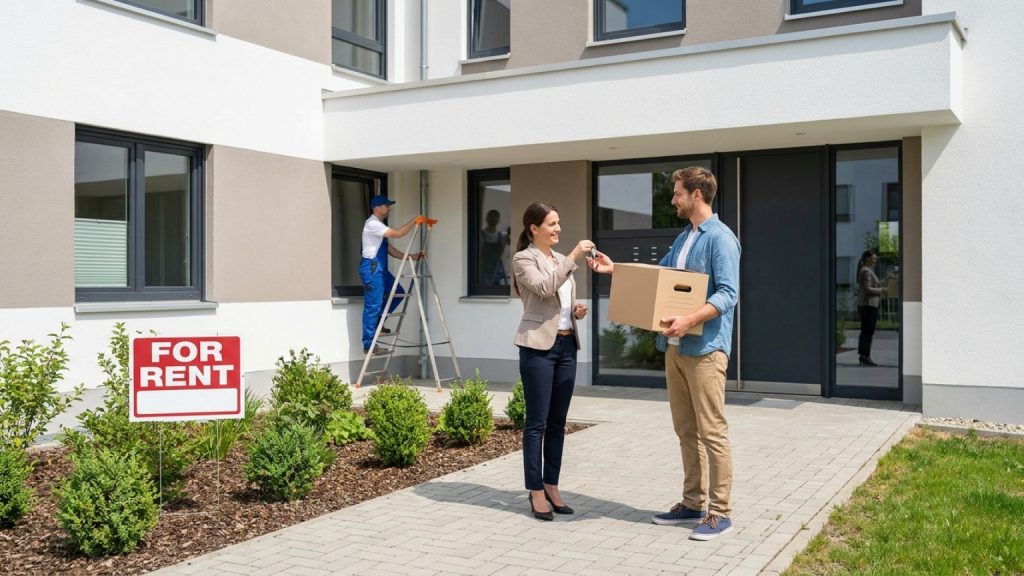
Property owners frequently encounter difficulties managing their investments, especially when absent or handling multiple properties. The complexities of tenant relations, maintenance coordination, and legal compliance can become overwhelming. This situation often leads to increased stress and potential financial inefficiencies for the owner.
1. What is the role of property management for asset owners?
Property management offers essential support to owners of real estate assets. This service handles the daily operations and strategic oversight required to maintain a property’s value and ensure its profitability.
It is particularly crucial for those who cannot manage their properties directly, such as absentee owners or investors in holiday rentals. A professional manager ensures all aspects of property ownership are addressed efficiently.
- Tenant and Guest Management: This involves finding suitable tenants or guests and handling all communication. For example, a property manager addresses guest inquiries, manages check-ins and check-outs, and resolves any issues during a stay.
- Maintenance and Upkeep: Regular maintenance keeps the property in good condition and prevents costly repairs. A manager coordinates routine checks, schedules necessary repairs, and oversees cleaning services after guest departures.
- Financial Administration: Managing finances ensures the property remains profitable and compliant. This includes collecting rent, paying bills, and providing detailed financial reports to the owner.
- Legal and Regulatory Compliance: Adhering to local laws protects the owner from potential liabilities. A property manager stays informed about rental regulations, safety standards, and licensing requirements for the property.
The role of property management extends beyond simple upkeep. It provides owners with peace of mind, knowing their asset is professionally cared for and performing well.
2. Why is professional property management crucial for investment success?
Professional property management is crucial for the long-term success of any real estate investment. It ensures the property remains well-maintained and generates consistent income. This approach protects the asset’s value and helps owners achieve their financial objectives without direct involvement in daily operations involvement daily operations.
- Maximizing Returns: Professional management helps set competitive rental rates based on current market conditions. This ensures the property attracts reliable tenants or guests and maintains a high occupancy rate, directly increasing rental income.
- Expert Maintenance: Regular maintenance and timely repairs are essential for preserving property value. For example, a professional service can quickly address a plumbing leak, preventing extensive water damage and costly future repairs.
- Legal Compliance: Property ownership involves navigating complex local and national regulations. Managers ensure all rental contracts and property operations comply with housing laws, protecting the owner from potential legal issues or fines.
- Tenant and Guest Relations: Managing tenant or guest inquiries, complaints, and emergencies requires consistent attention. A manager handles all communication, for instance, responding to a late-night guest request or resolving a dispute, which improves satisfaction and positive reviews.
- Time Efficiency: Owners save significant time and effort by delegating daily tasks to professionals. This includes scheduling cleanings, managing check-ins and check-outs, and coordinating contractors, allowing owners to focus on other priorities.
Engaging professional property management is a strategic decision that offers peace of mind. It sustains the property’s value and ensures its profitability over time.
3. How does a property management service ensure asset upkeep?
A property management service plays a crucial role in maintaining the physical condition of an owner’s asset. This involves both preventative measures to prevent issues and reactive responses to address problems as they arise. Regular attention to the property ensures its longevity and preserves its value over time.
- Routine inspections: The service conducts scheduled visits to check the property’s condition. This helps identify minor maintenance needs or potential problems before they become costly repairs.
- Maintenance coordination: Specialists arrange for necessary repairs and improvements. They find qualified contractors, oversee the work, and ensure it meets quality standards.
- Preventative maintenance: This includes seasonal checks and servicing of critical systems, such as air conditioning or heating. Preventative actions help extend the lifespan of appliances and structural elements.
- Emergency response: The service manages unexpected issues like a burst pipe or a power outage. A quick response protects the property from further damage and minimizes disruption for occupants.
- Detailed record keeping: All maintenance activities, repairs, and associated costs are carefully documented. These records provide a history of the property’s upkeep and inform future decisions.
Through these comprehensive actions, a property management service ensures the asset remains in excellent condition. This approach provides owners with peace of mind and helps maintain the property’s market appeal.
4. What considerations guide the selection of a property management partner?
Selecting a property management partner requires careful evaluation because this decision directly impacts an owner’s investment and peace of mind. A reliable partner ensures the property remains well-maintained and profitable.
This choice is particularly important for owners who live away from their property, as the manager acts as their local representative. For example, a poorly chosen partner might neglect routine maintenance, leading to costly repairs later.
- Experience and Reputation: An established property manager often possesses a proven track record of successful property oversight. Owners should research client testimonials and the company’s operational history to assess reliability.
- Scope of Services: Different properties demand varying levels of support, from basic key holding to full holiday rental management. The chosen partner must offer services that precisely match the owner’s specific needs and property type.
- Communication Practices: Clear and regular communication is essential, especially for absentee owners. The management partner should provide timely updates on the property’s status, maintenance issues, and financial performance.
- Local Market Knowledge: Expertise in the local real estate market, including rental trends and regulations, is crucial for maximizing income. A knowledgeable manager also has access to trusted local contractors for repairs and maintenance.
- Fee Structure: All fees and charges must be transparently presented and easy to understand. Owners should fully comprehend the cost structure to ensure it aligns with the value of the services provided.
Careful consideration of these factors leads to a strong and effective partnership. A well-chosen property management partner protects the investment and enhances its value over time.