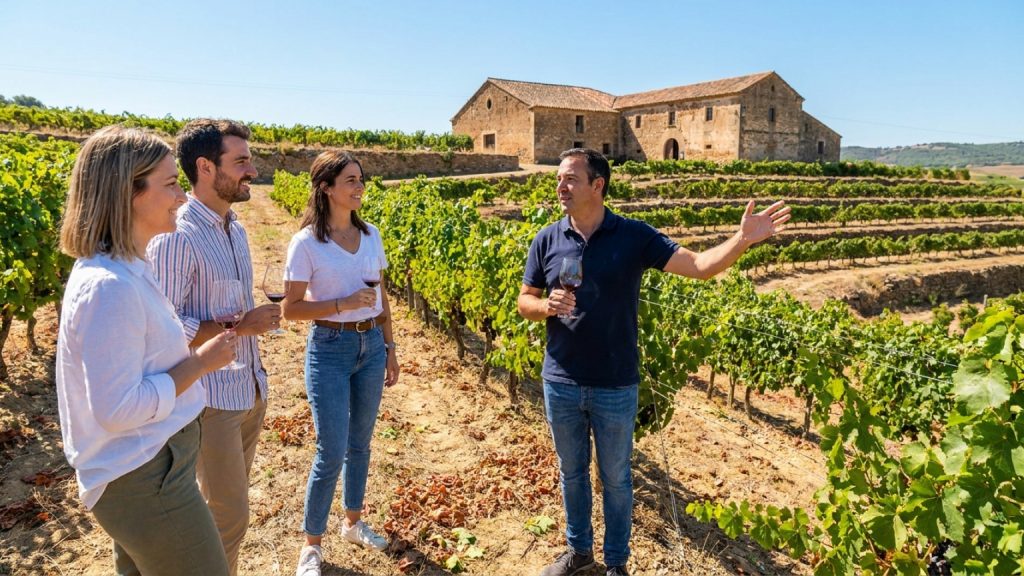
Many travelers desire unique experiences that go beyond standard sightseeing. They often seek a deeper connection with local culture and traditions, but finding truly authentic immersion can be challenging. This quest for genuine engagement often leads to questions about specialized forms of travel.
1. What is the definition of wine tourism in the Iberian Peninsula?
Wine tourism in the Iberian Peninsula involves travel to regions known for wine production. It combines vineyard visits and wine tasting with broader cultural experiences.
This type of tourism offers visitors an intimate look at local traditions, history, and gastronomy. For example, guests often tour a historic winery in La Rioja or a family-run estate in the Douro Valley.
- Winery Visits: This activity includes tours of vineyards and cellars. Visitors learn about the wine production process and taste various regional wines.
- Cultural Immersion: Wine tourism connects visitors with the region’s heritage. It often includes local festivals, historical sites, and traditional customs linked to viticulture.
- Landscape Appreciation: The experience highlights the natural beauty of wine-growing areas. Travelers enjoy scenic routes through rolling vineyards and picturesque countryside.
- Gastronomic Experiences: These tours frequently feature wine and food pairings. Local cuisine complements the wines, showcasing the distinct flavors of the region.
- Educational Aspect: Participants gain knowledge about viticulture, the science of growing grapes. They also learn about enology, which is the study of winemaking techniques.
Wine tourism provides a rich and varied travel experience across Spain and Portugal. It helps preserve regional cultures and supports local economies.
2. Why is wine tourism in the Iberian Peninsula a significant cultural experience?
Wine tourism in the Iberian Peninsula offers a profound cultural journey. It connects visitors with centuries of winemaking traditions and local heritage. This experience goes beyond tasting wine; it delves into the region’s history, artistry, and way of life. The deep roots of viticulture shape the landscape and community spirit.
- Historical Legacy: The Iberian Peninsula boasts a rich winemaking history dating back thousands of years. Ancient techniques and stories are preserved in many vineyards and cellars.
- Regional Identity: Each wine region reflects a unique blend of climate, soil, and local customs. For example, Rioja wines embody the traditions of northern Spain, while Douro wines showcase Portugal’s steep terraces.
- Gastronomic Connections: Wine is an essential part of Iberian cuisine and social life. Visitors often enjoy traditional meals paired with local wines, learning about food culture.
- Architectural Heritage: Many wineries feature historic buildings, underground cellars, and traditional farmhouses. These structures offer glimpses into past agricultural practices and architectural styles.
- Community Engagement: Direct interaction with winemakers and local communities provides authentic insights. This allows visitors to understand the passion and effort behind each bottle.
Therefore, wine tourism provides an immersive understanding of Iberian culture. It combines historical exploration, culinary discovery, and personal connection with the land and its people.
3. How can one experience authentic wine tourism in the Iberian Peninsula?
- Visiting boutique wineries: Exploring smaller, family-run estates provides a personal connection to the winemaking process. For example, a visit to a small vineyard in Ribera del Duero allows guests to meet the winemaker and learn about specific grape varietals.
- Participating in harvest activities: Engaging in hands-on experiences like grape picking or stomping offers a unique insight into traditional methods. This direct involvement helps one appreciate the hard work behind each bottle of wine.
- Exploring wine regions on foot or by bicycle: Moving slowly through vineyards and rural villages allows for a deeper appreciation of the landscape. This approach often uncovers hidden gems and local culinary spots not found on typical tours.
- Pairing local wines with regional cuisine: Enjoying wine alongside traditional dishes reveals the symbiotic relationship between food and drink in Iberian culture. A pairing session with local cheeses, cured meats, and olive oil enhances the overall tasting experience.
- Staying at vineyard accommodations: Choosing to stay at a guesthouse or hotel located within a working vineyard offers a full immersion into the wine country lifestyle. Guests can wake up to vineyard views and experience the daily rhythm of a winery.
4. What are the steps for planning a wine tourism trip in the Iberian Peninsula?
Planning a wine tourism trip in the Iberian Peninsula requires careful consideration and preparation. The process ensures a rewarding experience for any visitor. It involves several key steps to make the most of the region’s diverse vineyards and cultural offerings.
- Define interests: The traveler should first consider their preferences for wine types and specific regions. For example, some visitors might seek specific red wines from Ribera del Duero, while others prefer the sparkling wines of Catalonia.
- Research regions and wineries: Researching specific wine regions and their associated wineries is crucial for a successful trip. This step helps in selecting destinations that align with personal tastes and desired experiences, such as a traditional family-run estate or a modern, large-scale producer.
- Plan logistics: Accommodation, local transportation, and guided tours require booking in advance. Many wineries offer structured visits and tastings, so early reservations are often necessary to secure a spot.
- Consider timing: The time of year greatly impacts the travel experience and available activities. Visiting during harvest season, typically in late summer or early autumn, offers a unique insight into the winemaking process.
- Budget allocation: A clear budget helps manage expenses for tastings, meals, and wine purchases. This ensures financial comfort and allows for a more relaxed exploration of the wine country.
Careful planning enhances the overall enjoyment of a wine tourism trip. This approach allows for a deeper appreciation of the Iberian Peninsula’s rich wine culture and history.