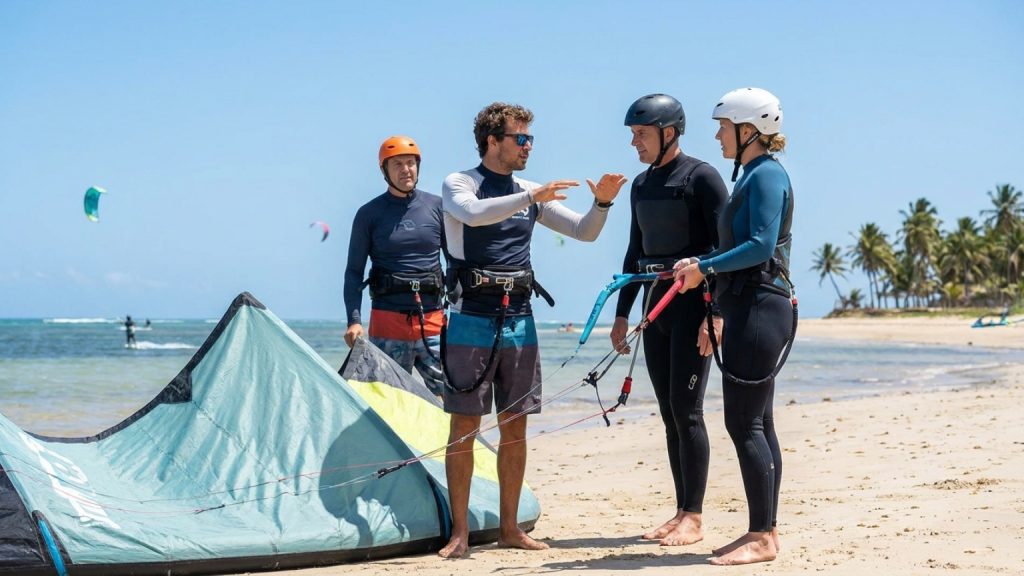
Many adults consider learning a new sport but feel uncertain about where to begin. The idea of mastering kitesurfing might seem challenging or complex. Understanding the fundamental aspects of this activity is crucial for a successful start. This guide clarifies the process for new participants.
1. What is the nature of kitesurfing lessons for adults?
Kitesurfing lessons for adults typically provide a structured introduction to this exciting water sport. The instruction focuses on safety, fundamental skills, and proper equipment handling.
These lessons cater to individuals of all fitness levels who want to learn how to ride the wind and waves. A specialist guides each student through a progressive curriculum designed for effective learning.
- Safety Protocols: Kitesurfing lessons prioritize safety from the very first session. The instruction covers wind awareness, hazard identification, and self-rescue techniques.
- Equipment Familiarization: Students learn about the different components of kitesurfing gear. This includes understanding the kite, board, harness, and control bar.
- Kite Control on Land: Initial sessions focus on mastering kite handling skills on the beach. This practice helps students develop the necessary coordination before entering the water.
- Water Skills Development: After land practice, lessons progress to body dragging and water starts. The goal is to get the student up on the board and riding independently.
- Personalized Instruction: Each lesson often adapts to the student’s learning pace and existing abilities. For example, a student with prior board sport experience might progress faster through certain stages.
These adult lessons create a solid foundation for aspiring kitesurfers. The comprehensive approach helps students gain confidence and competence in a safe environment.
2. Why are kitesurfing lessons important for adult learners?
Kitesurfing lessons are highly important for adult learners. They provide a structured path to mastering this exciting water sport safely. Professional instruction ensures the development of correct techniques and a deep understanding of the equipment. This approach helps adults quickly gain confidence on the water confidence the water.
- Enhanced Safety: Lessons teach essential safety protocols, including how to identify potential hazards and carry out emergency procedures. For instance, an instructor clearly demonstrates how to properly use the quick-release system, which is vital in unexpected strong winds.
- Correct Technique: Expert guidance ensures adults learn the proper body positioning, kite control, and board handling from the very beginning. This approach prevents the development of inefficient habits that can significantly hinder progress later on the water.
- Equipment Knowledge: Instructors provide detailed explanations about different kite sizes, board types, and harness setups required for various conditions. Understanding the gear helps a learner make informed decisions and improve their performance and safety.
- Increased Confidence: A structured learning environment with constant feedback helps build an adult learner’s self-assurance step by step. This gradual progression reduces initial anxiety and encourages much faster skill acquisition.
- Efficient Learning Curve: Professional lessons offer a systematic approach that significantly accelerates the learning process for adults. This structured method allows individuals to become independent kitesurfers more quickly than through self-teaching attempts.
Therefore, professional kitesurfing lessons are indispensable for adults seeking to learn this sport. They provide the necessary foundation for a safe, enjoyable, and rewarding experience.
3. How does the process of kitesurfing lessons for adults unfold?
Adult kitesurfing lessons typically follow a structured progression designed for safety and effective learning. This process ensures individuals build foundational skills and confidence step by step. It begins with essential theory on land and gradually moves into practical water exercises. The systematic approach helps students master each skill before advancing to the next stage.
- Initial Ground Theory: The first part of the lesson covers crucial safety rules and basic wind theory. Students learn about wind windows, equipment setup, and how to safely handle the kite on the beach.
- Kite Control on Land: Participants then practice controlling a small training kite on land. For example, students learn to launch, land, and steer the kite in a controlled manner, developing muscle memory.
- Body Dragging in Water: After mastering land control, students enter the water without a board. The focus here is on using the kite’s power to move through the water, known as body dragging, and retrieving lost boards.
- Water Start Techniques: This stage teaches the critical skill of standing on the board and starting to ride. A common example involves coordinating kite power with board positioning to get up and glide across the water.
- Independent Riding and Direction: Finally, students practice riding independently, maintaining direction, and stopping safely. Further lessons may introduce turning or riding upwind.
This organized learning path allows adults to acquire the necessary kitesurfing abilities at a comfortable pace. The structured lessons prepare individuals for safe and enjoyable experiences on the water.
4. What are the first steps for taking kitesurfing lessons as an adult?
- Researching schools and locations: Finding a reputable kitesurfing school is an important first step. For example, a school in a location known for consistent winds, like Tarifa, often provides ideal learning conditions.
- Understanding physical readiness: Kitesurfing requires a basic level of fitness and coordination. An adult should assess their physical condition and inform the instructor about any health considerations before starting lessons.
- Booking an introductory lesson: Most schools offer a beginner or discovery lesson to introduce the core concepts. This short session helps adults decide if kitesurfing is a suitable sport for them.
- Learning about wind and safety: Fundamental knowledge of wind direction, speed, and basic safety protocols is crucial. Instructors teach students how to identify safe conditions and manage potential risks.
- Considering equipment needs: Beginners do not need to buy equipment immediately. Reputable schools provide all necessary gear, including kites, boards, harnesses, and safety helmets, for the duration of the lessons.