Many travelers seek experiences that connect them deeply with local culture and traditions. Standard tours often miss the intricate stories behind a region’s heritage. This can leave visitors feeling a desire for more authentic engagement. Enoturismo peninsula iberica presents a rich opportunity for such exploration.
1. What is the essence of enoturismo peninsula iberica?
Enotourism on the Iberian Peninsula involves more than just tasting wine. It encompasses a deep exploration of wine culture, history, and production methods across its diverse regions. This experience also connects visitors with local traditions, unique landscapes, and the culinary arts. It offers a complete sensory and educational journey for enthusiasts.
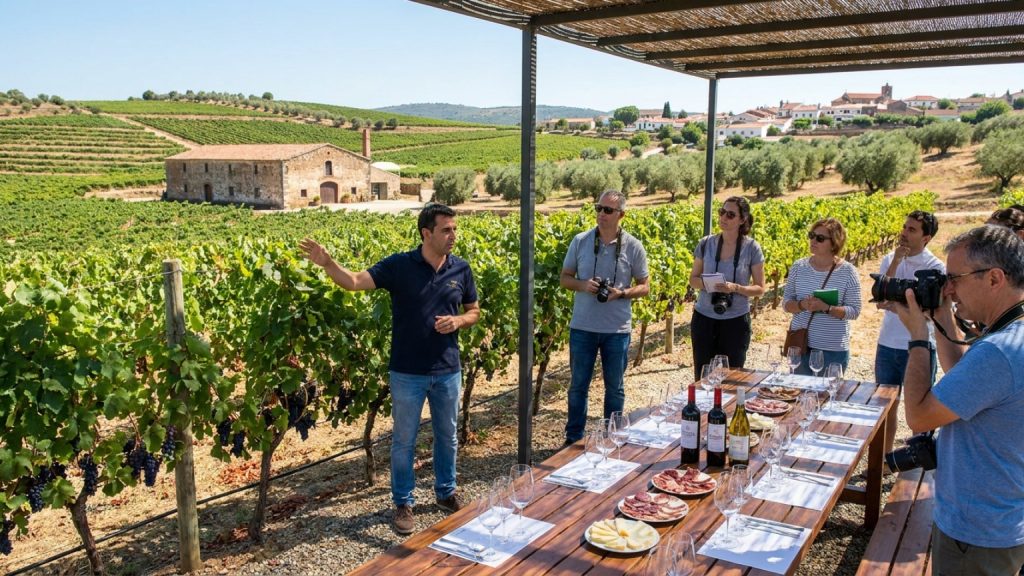
- Vineyard exploration: This activity allows visitors to walk through extensive vineyards. Guests can learn about different grape varieties and their specific cultivation methods, understanding the terroir’s influence.
- Winery visits and tastings: A typical visit includes a tour of the winery’s facilities, explaining the winemaking process. It often concludes with a guided tasting session of local wines, led by an expert.
- Cultural immersion: Wine tourism often integrates with the rich cultural heritage of the region. This includes exploring historical sites, participating in local festivals, and understanding traditional practices.
- Gastronomic pairings: Many enotourism experiences feature meals designed to complement the region’s wines. This highlights the strong link between local cuisine and wine production, offering a complete sensory delight.
- Landscape appreciation: The journey often includes scenic drives through picturesque wine-producing areas. Visitors can appreciate the unique natural beauty shaped by centuries of viticulture and ancient traditions.
Enotourism on the Iberian Peninsula therefore offers a rich and multi-faceted travel experience. It combines agricultural traditions, historical insights, and gastronomic pleasures, creating lasting memories for all participants.
2. Why is enoturismo peninsula iberica a significant cultural experience?
Enotourism on the Iberian Peninsula represents a significant cultural experience. This activity goes beyond simple wine tasting; it immerses visitors in the rich history and traditions of the region. The process connects individuals with centuries of winemaking heritage, revealing local customs, diverse landscapes, and the communities dedicated to viticulture communities dedicated viticulture.
- Historical Legacy: The Iberian Peninsula boasts a winemaking history spanning millennia. Ancient civilizations like the Phoenicians and Romans introduced and developed viticulture across the land. For example, visitors can explore Roman ruins near vineyards in areas like Catalonia or Alentejo, seeing how wine production shaped early societies.
- Gastronomic Integration: Wine is intrinsically linked to the local cuisine. Regional dishes are often developed to complement specific local wines, creating a harmonious culinary experience. A typical visit might include a meal at a traditional bodega, where local cheeses and cured meats are paired with a particular vintage.
- Landscape and Terroir: The diverse geography of the peninsula profoundly influences its wines. Each region offers unique soil compositions, microclimates, and stunning natural beauty that shape the grape varietals. Traveling through the terraced vineyards of the Douro Valley in Portugal or the rolling hills of La Rioja in Spain showcases this direct connection.
- Local Traditions and Festivals: Wine culture is a cornerstone of many Iberian communities, celebrated through various traditions and festivals. Many towns host annual harvest festivals or wine fairs, inviting participation from locals and visitors alike. This provides a vibrant glimpse into the social fabric centered around winemaking.
- Architectural Heritage: Wineries often feature impressive architecture, blending historical structures with modern design. Many estates are significant landmarks, reflecting different eras of regional development. Visitors might discover a centuries-old cellar alongside a contemporary, architect-designed tasting room.
Therefore, enotourism offers a multifaceted cultural journey across the Iberian Peninsula. This immersive approach provides deep insight into the region’s enduring traditions and its people.
3. How is enoturismo peninsula iberica typically explored?
Enotourism on the Iberian Peninsula offers diverse ways to experience wine culture. Visitors often engage in vineyard tours and learn about wine production directly from producers. They also participate in guided wine tastings, sampling local varietals and understanding regional characteristics. This approach allows a deep immersion into the local culture and its winemaking traditions.
- Vineyard Visits: These tours offer insight into the winemaking process from grape to bottle. Guests can observe grape cultivation and understand the annual cycle of the vines. For example, a visit to a Rioja vineyard might include walking through the fields and seeing specific grape varieties grown there.
- Wine Tasting Sessions: Specialized sessions allow visitors to sample various regional wines. Experts guide participants through the tasting notes and characteristics of each vintage. This often includes comparing different grape types, such as Tempranillo and Garnacha.
- Gastronomic Experiences: Many enotourism routes integrate local culinary traditions with wine. Meals often pair specific wines with regional dishes, enhancing the overall tasting experience. An example is enjoying a seafood paella with a crisp Albariño wine in Galicia.
- Winery Stays: Some wineries provide accommodation, allowing guests to stay directly on the estate. This offers a deeper connection to the winemaking environment and local lifestyle. Visitors might wake up to vineyard views and participate in harvest activities.
- Cultural Exploration: Beyond wine, these trips often include visits to nearby historical sites or cultural landmarks. This broadens the understanding of the region’s heritage and its influences on winemaking. For instance, exploring medieval villages in the Douro Valley complements the wine experience.
These diverse activities provide a comprehensive understanding of Iberian wine culture. They allow visitors to connect with the land, its history, and its people through sensory experiences.
4. What are the key considerations for planning enoturismo peninsula iberica?
Planning enoturismo in the Iberian Peninsula involves considering several key elements. The region offers a rich diversity of wine-producing areas, each with its own traditions and varietals. A well-structured approach helps ensure a fulfilling experience for visitors.
- Regional Selection: The Iberian Peninsula boasts many distinct wine regions. For example, Spain’s Rioja is famous for its aged red wines, while Portugal’s Douro Valley is renowned for Port wine production.
- Logistics and Transport: Movement between vineyards and towns requires careful planning. Public transport options vary, so private transfers or rental cars are often necessary for flexibility.
- Cultural Integration: Enotourism extends beyond wine tasting to include local culture and gastronomy. Incorporating visits to historical sites or traditional restaurants enhances the overall experience.
- Accommodation Options: A variety of lodging is available, from boutique hotels in wine towns to rural guesthouses on vineyards. Booking in advance is advisable, especially during peak seasons.
- Seasonal Timing: The best time to visit often depends on specific interests. Harvest season in late summer or early autumn provides a lively atmosphere, while spring offers milder weather and blooming landscapes.
Careful consideration of these factors allows for a more enriching and smooth enotourism journey. This approach helps visitors explore the unique wine culture of Spain and Portugal effectively.