Many travelers seek a deeper connection to history and culture, often finding it difficult to move beyond typical tourist spots. The planning of truly immersive journeys can also be complex. This often leaves individuals wondering how to experience the rich heritage of a region authentically.
1. What is the definition of Iberian cultural routes and their significance?
Iberian cultural routes are defined as thematic travel paths across the Iberian Peninsula. These routes connect historical sites, traditional landscapes, and significant cultural landmarks. Their purpose is to offer an immersive exploration of the region’s rich heritage. This approach allows travelers to experience the historical and artistic legacy of Spain and Portugal firsthand.
- Historical Depth: These routes often trace ancient paths used by Romans, Moors, or medieval kingdoms. They reveal layers of history embedded in the landscape and architecture.
- Cultural Immersion: A route allows visitors to engage with local traditions, festivals, and daily life beyond major tourist hubs. This provides an authentic understanding of Iberian identity.
- Architectural Heritage: Many routes highlight specific architectural styles, from Roman ruins to Gothic cathedrals and Mudejar art. The journey becomes a living museum of design and craftsmanship.
- Natural Landscapes: Cultural routes frequently pass through diverse natural environments, connecting heritage sites with scenic beauty. This integration offers a holistic view of the region.
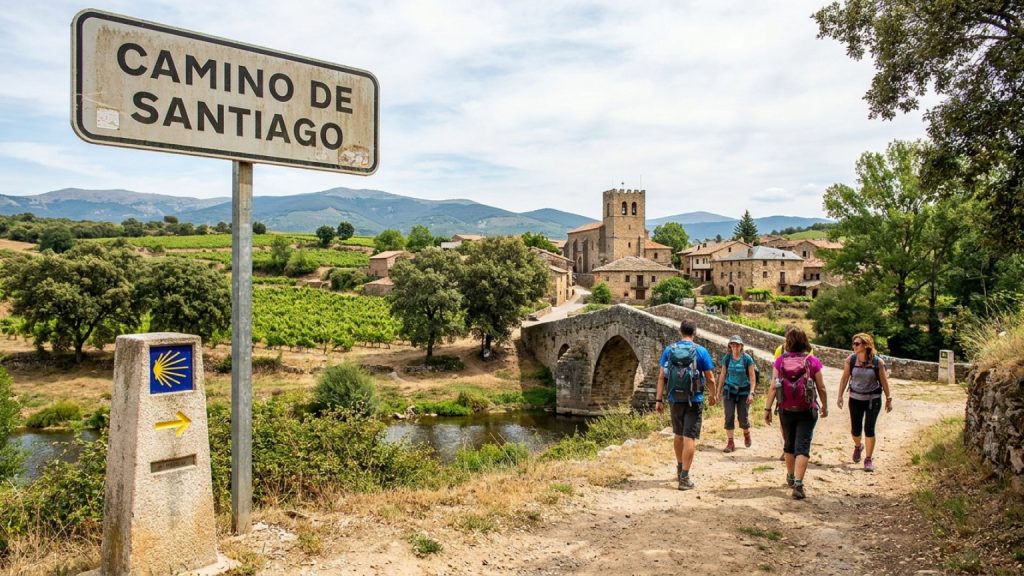
- Example: The Camino de Santiago: This famous pilgrimage route exemplifies an Iberian cultural route. It combines spiritual significance with historical towns, unique local cultures, and stunning natural scenery.
Iberian cultural routes therefore represent a vital framework for understanding the region’s complex past and vibrant present. They offer a profound and engaging way to connect with the enduring legacy of the Iberian Peninsula.
2. Why is the exploration of Iberian cultural routes valuable for understanding history?
The exploration of Iberian cultural routes offers a profound way to understand history. These paths provide direct access to the past, revealing the layers of civilizations that shaped the region. Walking these routes helps people connect with historical events and the evolution of societies over centuries. This approach makes history tangible and deeply personal.
- Tangible Evidence: The routes present physical remnants of past eras. A visitor can walk ancient Roman roads or view medieval castles, offering a direct link to historical periods.
- Cultural Exchange: These paths demonstrate how different civilizations interacted and influenced each other. For example, the Camino de Santiago showcases centuries of pilgrimage, revealing a deep fusion of cultures and beliefs.
- Societal Development: The routes illustrate the evolution of communities, trade, and governance over time. They show how major historical forces shaped the region’s people and their way of life.
- Historical Narratives: The journeys connect specific locations to major historical events and figures. This process helps to contextualize battles, discoveries, and political shifts within their original settings.
- Local Perspectives: The routes offer a ground-level view of history, moving beyond grand narratives. This highlights the impact of historical forces on everyday life in diverse Iberian regions.
Therefore, exploring Iberian cultural routes offers a rich, multi-faceted approach to understanding history. This method provides a deeper appreciation for the region’s complex heritage.
3. How does one approach the planning of Iberian cultural routes?
Planning Iberian cultural routes requires a methodical approach to ensure a rich and meaningful experience. It involves careful consideration of historical periods, geographical regions, and specific cultural interests. A well-planned route allows travelers to connect deeply with the diverse heritage of the Iberian Peninsula.
- Defining the route’s theme: This initial step helps focus the entire journey. A route might concentrate on Roman history, the Camino de Santiago pilgrimage, or the legacy of Al-Andalus, for example, providing a coherent narrative.
- Selecting destinations and sites: Important cities, historical sites, and natural areas along the chosen theme are identified. For a route focused on medieval castles, one might include the Castle of Almourol in Portugal and the Alcázar of Segovia in Spain.
- Considering logistical details: Travel methods, accommodation, and daily distances require careful planning. Factors like public transport availability, car rental options, and walking routes are evaluated to ensure smooth transitions.
- Researching local culture and traditions: Understanding local customs, cuisine, and festivals significantly enhances the overall experience. This preparation allows for deeper immersion in the heritage of each location visited.
- Engaging expert guidance: The assistance of knowledgeable guides provides invaluable insights into historical contexts and local stories. An expert can reveal hidden gems and offer a more profound understanding than self-guided exploration.
Thorough planning transforms a simple trip into an enriching cultural exploration. This preparation helps travelers connect deeply with the Iberian Peninsula’s past and present.
4. What are the actionable steps for experiencing Iberian cultural routes?
Experiencing Iberian cultural routes involves a structured approach to planning and execution. A successful journey through these rich historical paths requires careful consideration of various factors. Specific actionable steps enhance the overall understanding and enjoyment of the region’s heritage. This preparation ensures a deep and meaningful engagement with the diverse cultural landscapes.
- Select a specific route: The traveler should research and choose a cultural route aligning with personal interests. For example, some routes focus on Roman archaeological sites, while others highlight medieval architecture or specific historical events. This initial decision helps define the journey’s historical and thematic focus.
- Plan logistics and accommodation: It is important to arrange transportation, accommodation, and daily itineraries well in advance. Early booking often secures better options, particularly during popular travel seasons. This planning minimizes stress and allows for a smoother travel experience.
- Engage with local experts: The journey benefits greatly from seeking out local guides or cultural experiences. These interactions provide deeper insights into regional traditions, history, and local perspectives. A local guide, for instance, can explain the significance of a specific festival in a small Portuguese village, offering context not found in guidebooks.
- Prepare physically for the journey: Many Iberian cultural routes involve walking or hiking across varied terrains. Comfortable footwear and appropriate clothing are essential for an enjoyable and safe experience. Physical readiness allows the traveler to fully participate in the route’s activities.
- Practice cultural immersion: Learning basic phrases in local languages and understanding regional customs improves interactions with local communities. This effort demonstrates respect for the local culture. Such immersion often leads to more authentic and memorable encounters.
Following these actionable steps creates a more enriching and organized cultural exploration. Careful preparation transforms a simple trip into a profound journey through Iberian heritage.