Many travelers find it challenging to navigate Spain’s vast artistic landscape independently. The sheer volume of museums, galleries, and historical sites can make planning an art-focused journey difficult. Understanding the different types of art tours available helps visitors make informed decisions about their cultural exploration.
1. What constitutes art tours in Spain and their diverse offerings?
Art tours in Spain offer a deep exploration of the country’s rich artistic heritage. These experiences go beyond simple sightseeing, focusing on the historical and cultural contexts of various artworks and movements. The diverse offerings include visits to renowned museums, architectural marvels, and significant historical sites.
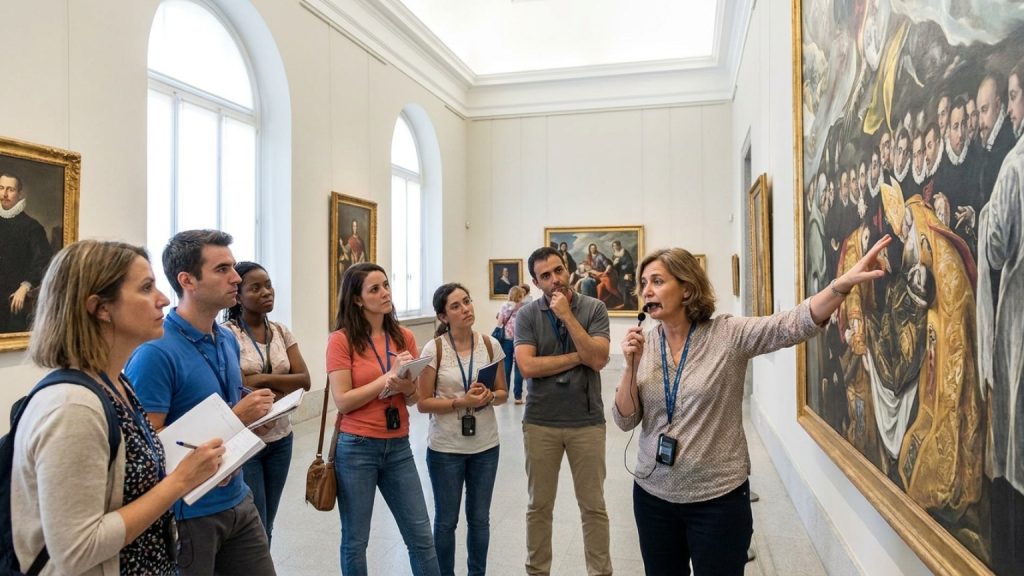
- Museum and Gallery Explorations: These tours often include guided visits to Spain’s most famous museums and art galleries. A specialist explains the significance of works by artists such as Pablo Picasso, Salvador Dalí, and El Greco, for example, at the Prado Museum in Madrid.
- Architectural Heritage Routes: Many tours highlight Spain’s unique architectural styles, from Roman ruins to modernista buildings. Participants discover the artistic vision behind structures like the Alhambra in Granada or Antoni Gaudí’s works in Barcelona.
- Regional Art Traditions: The tours also showcase distinct regional artistic expressions, reflecting local history and cultural identity. This includes understanding flamenco as an art form in Andalusia or the intricate ceramic work of Seville.
- Contemporary Art and Public Spaces: Some offerings explore contemporary art scenes, including modern galleries and urban street art. This perspective reveals how art continues to evolve within Spain’s vibrant cities.
These art tours provide a comprehensive understanding of Spain’s artistic evolution. They connect visitors with the country’s rich cultural narrative through immersive and educational experiences.
2. Why is the exploration of art tours in Spain crucial for cultural understanding?
Art tours in Spain offer a vital pathway to understanding the country’s rich cultural tapestry. They reveal how historical events, religious beliefs, and regional identities shaped Spanish society through creative expression. This exploration is essential because it connects visitors directly with centuries of artistic heritage and its profound influence.
- Historical Context: Artworks often reflect the political and social climates of their time. For example, a visit to the Prado Museum to see Goya’s paintings illustrates the turmoil and values of 18th and 19th-century Spain.
- Regional Diversity: Spain comprises many distinct regions, each with its own artistic traditions and expressions. Exploring art in Catalonia, with its Modernisme movement, offers a different cultural perspective than experiencing the Moorish influences in Andalusian art.
- Architectural Heritage: Many art tours include significant architectural sites, which are art forms themselves. Structures like the Alhambra in Granada or Gaudí’s Sagrada Familia in Barcelona showcase historical innovation and unique cultural identities.
- Influence on Global Art: Spanish artists significantly impacted worldwide art movements, from Renaissance masters to modern pioneers. Understanding their works within Spain provides crucial context for their global reach and legacy.
- Preservation of Traditions: Many tours highlight traditional crafts, folk art, and local festivals. This shows how ancient techniques and customs continue to shape contemporary artistic expression and community life.
Engaging with Spanish art helps visitors appreciate its profound cultural significance and evolution. This direct engagement fosters a deeper connection to the country’s identity and its place in global history.
3. How does one approach the selection of art tours in Spain for a rich experience?
One approaches the selection of art tours in Spain by considering various factors that shape the cultural journey. Spain offers a vast array of artistic expressions, ranging from ancient cave paintings to contemporary masterpieces paintings contemporary masterpieces.
Therefore, careful consideration ensures a truly enriching experience for individuals. This thoughtful process helps match a tour to specific interests and expectations.
- Specific Art Periods: Focusing on a specific art period or movement can deepen understanding. For example, a tour might concentrate solely on the Gothic architecture of Burgos Cathedral or the Surrealist works of Salvador Dalí.
- Regional Specialties: Different regions of Spain boast unique artistic traditions and styles. A visitor might explore the distinct Mudejar art in Aragon or the vibrant Modernisme architecture prevalent in Catalonia.
- Guide Expertise: The knowledge and communication skills of a tour guide significantly enhance the experience. An expert guide provides valuable historical context and detailed explanations of the artworks.
- Group Size and Pacing: The size of the tour group and its pace influence the level of engagement. Smaller groups often allow for more personalized attention and a more relaxed exploration of sites.
- Immersive Opportunities: Some tours offer unique interactive elements or behind-the-scenes access. This could include a workshop on traditional ceramics in Seville or a private viewing of a collection.
A thoughtful selection process leads to a more profound engagement with Spain’s artistic heritage. This approach ensures a memorable and culturally rich art tour experience.
4. What are the actionable steps for planning successful art tours in Spain?
Planning successful art tours in Spain involves several actionable steps. A well-structured approach helps ensure a rich and insightful cultural experience. This process requires careful consideration of artistic periods, key locations, and practical logistics. It ultimately allows for a deeper appreciation of the country’s diverse heritage.
- Define thematic focus: It is important to choose specific artistic movements, regions, or historical periods. This focus helps to create a cohesive and manageable itinerary. For example, a tour might concentrate on Moorish art in Andalusia or the works of Gaudí in Catalonia.
- Research key destinations: Identifying essential museums, galleries, and architectural sites is crucial. Understanding their opening hours, ticket booking procedures, and accessibility ensures a smooth visit. The Prado Museum in Madrid and the Picasso Museum in Barcelona are prime examples.
- Plan logistical details: Efficient transportation, suitable accommodation, and a realistic daily schedule are necessary. Careful planning of travel between sites maximizes time spent engaging with art.
- Engage local expertise: Hiring a knowledgeable local art historian or guide can significantly enhance the tour. Their specialized insights provide context and deeper understanding of the artworks and their cultural significance.
- Allocate a realistic budget: Establishing a clear budget for entrance fees, guided services, travel, and meals is important. This financial planning helps to avoid unexpected expenses and ensures a comfortable trip.
Following these steps ensures a comprehensive and rewarding exploration of Spain’s artistic landscape. Such careful preparation allows visitors to fully immerse themselves in the country’s rich cultural offerings.