Many individuals feel overwhelmed by the vast array of hair color options available. The desire for a fresh look often comes with uncertainty about the best choice. This can lead to confusion regarding shades, application methods, and potential outcomes. Understanding the fundamentals is crucial.
1. What is the composition of hair color and its primary types?
Hair color products contain various chemical compounds that alter the natural pigment of hair. These ingredients work together to deposit new color or lighten the existing shade.
Understanding the composition helps explain how different products achieve distinct results. For example, a temporary hair dye simply coats the hair shaft, while permanent dyes penetrate deeply to change its internal structure.
- Temporary Hair Color: This type of color uses large pigment molecules that only coat the outside of the hair shaft. It does not penetrate the cuticle, so the color washes out easily with one shampoo. People often use temporary color for a fun, non-committal change, like adding a bright shade for a party.
- Semi-Permanent Hair Color: These products contain smaller pigment molecules that can partially penetrate the hair cuticle. They do not use ammonia or peroxide, which means they do not lift the natural hair color. The color typically lasts for about 4 to 12 washes, gradually fading with each shampoo.
- Demi-Permanent Hair Color: This color type combines small pigment molecules with a low-volume developer, usually hydrogen peroxide. The developer opens the cuticle slightly, allowing the color to deposit deeper into the hair shaft. It offers more lasting results than semi-permanent options, fading slowly over 20 to 28 washes, and can blend gray hair effectively.
- Permanent Hair Color: Permanent hair dyes use ammonia and hydrogen peroxide to open the hair cuticle and penetrate the cortex. This process removes the natural melanin and deposits new color pigments, creating a lasting change. This type of color does not wash out and requires regrowth touch-ups, making it suitable for full gray coverage or significant color changes.
The choice of hair color depends heavily on the desired result and the level of commitment. Each type offers a unique method of color delivery and different longevity, impacting the hair’s overall appearance.
2. Why is the choice of hair color important for personal expression?
Hair color serves as a significant aspect of personal expression. It allows individuals to communicate aspects of their identity and mood without words. The chosen shade can reflect personality, values, or current life stages. This choice also plays a role in how others perceive a person others perceive person.
- Identity Reflection: Hair color often acts as a visual representation of an individual’s inner self. For example, a vibrant red might suggest a bold personality, while subtle highlights could indicate elegance.
- Mood and Emotion: A change in hair color can express current feelings or a desire for a new beginning. A person might choose a soft blonde to feel lighter or a deep brunette for a sense of grounding.
- Trend and Style: The selection of a hair color allows a person to align with current fashion trends or a specific aesthetic. This helps individuals maintain a modern and curated look.
- Self-Confidence: A new hair color can significantly improve an individual’s self-perception. Feeling good about one’s appearance often leads to increased confidence in daily interactions.
- Personal Transformation: Changing hair color offers a way to embrace personal evolution or mark a significant life event. It provides a visual statement of change and growth.
Ultimately, the choice of hair color is more than a cosmetic decision. It stands as a powerful form of self-expression, influencing both personal feelings and social interactions.
3. How does the application process for hair color work?
The application process for hair color is a multi-step procedure. It requires careful attention to achieve the desired shade and consistent coverage. Each stage plays a crucial role in the final outcome, from initial preparation to the final rinse. This detailed approach ensures the color develops properly and lasts well.
- Consultation and Preparation: A specialist first discusses the desired color and assesses the hair’s condition. This step may involve a strand test to predict the final color or a patch test for allergies. For example, a person aiming for a significantly lighter shade might require a pre-lightening treatment to remove existing pigment.
- Mixing the Color: The color formula is prepared by combining the chosen hair dye with a developer. The developer activates the color, allowing it to penetrate the hair shaft. The precise ratio of these components is vital for the correct color outcome.
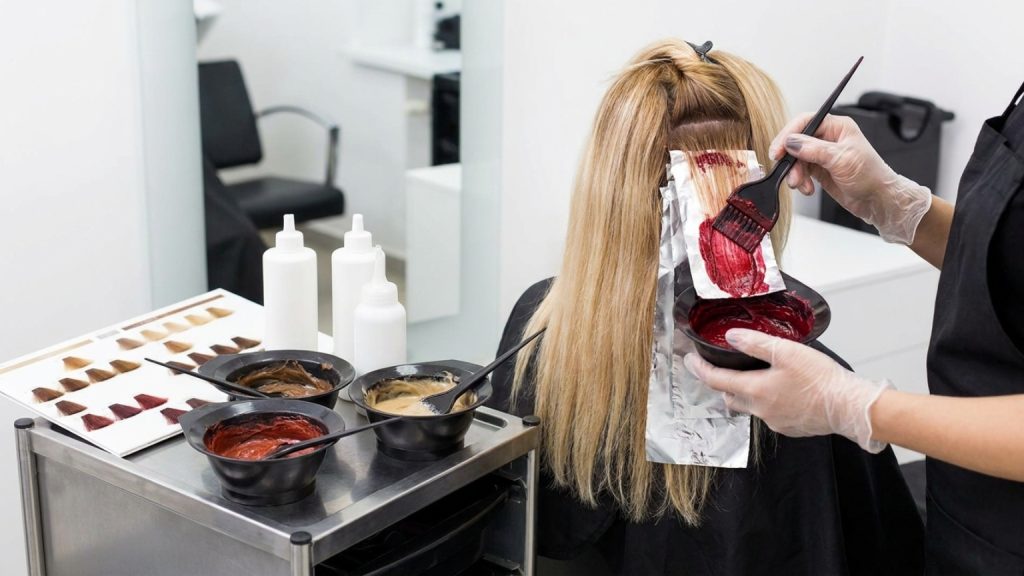
- Application: The hair is typically sectioned into small parts to ensure thorough and even color distribution. The specialist applies the mixture from roots to ends, or as needed, based on the desired effect. This precise application prevents uneven coloring.
- Processing Time: The hair color remains on the hair for a specific duration, as indicated by the product instructions. This period allows the color molecules to fully develop and set within the hair. Observing the correct processing time prevents either under-development or over-processing.
- Rinsing and Aftercare: After the processing time, the hair is thoroughly rinsed with water until it runs clear. A specialized shampoo and conditioner, often designed for color-treated hair, are then applied. These products help to seal the cuticle and lock in the new color.
Following these steps carefully ensures a successful hair coloring experience. The meticulous process contributes significantly to both the final color result and the overall health of the hair.
4. What to consider for the maintenance of hair color?
Maintaining hair color demands a careful and consistent routine. This approach helps preserve the richness and depth of the chosen shade. Without proper care, the color can lose its vibrancy and fade prematurely. Therefore, specific considerations are necessary to extend its life and appeal.
- Product selection: The use of color-safe shampoos and conditioners is essential for maintenance. These products contain ingredients that help prevent the premature stripping of hair color.
- Washing frequency: Washing the hair less often significantly extends the life of the color. For example, reducing washes to two or three times a week helps retain pigments within the hair shaft.
- Water temperature: Hot water can open the hair cuticle, allowing color molecules to escape more easily. Rinsing the hair with cooler water helps to seal the cuticle and lock in the color.
- Heat styling: Excessive heat from styling tools can damage hair and accelerate color fading. Applying a heat protectant spray before using tools like flat irons or curling wands is important.
- UV protection: Exposure to direct sunlight causes color to fade and can alter its tone over time. Wearing a hat or using hair products with UV filters provides a protective barrier against sun damage.
Implementing these maintenance strategies protects the investment made in hair color. Consistent care ensures the hair remains vibrant, healthy, and beautiful between salon visits.