Property owners often face unique challenges when managing student rentals. High tenant turnover, specific maintenance needs, and varied communication styles can complicate the process. Understanding these complexities is crucial for maintaining profitable and harmonious rental properties. This guide explores key aspects of successful student rental management.
1. What is the management of student rentals?
The management of student rentals involves overseeing properties specifically rented to students. This process includes many tasks to ensure a smooth living experience for tenants and a good return for property owners. It requires specialized approaches because student tenants often have unique needs and rental cycles.
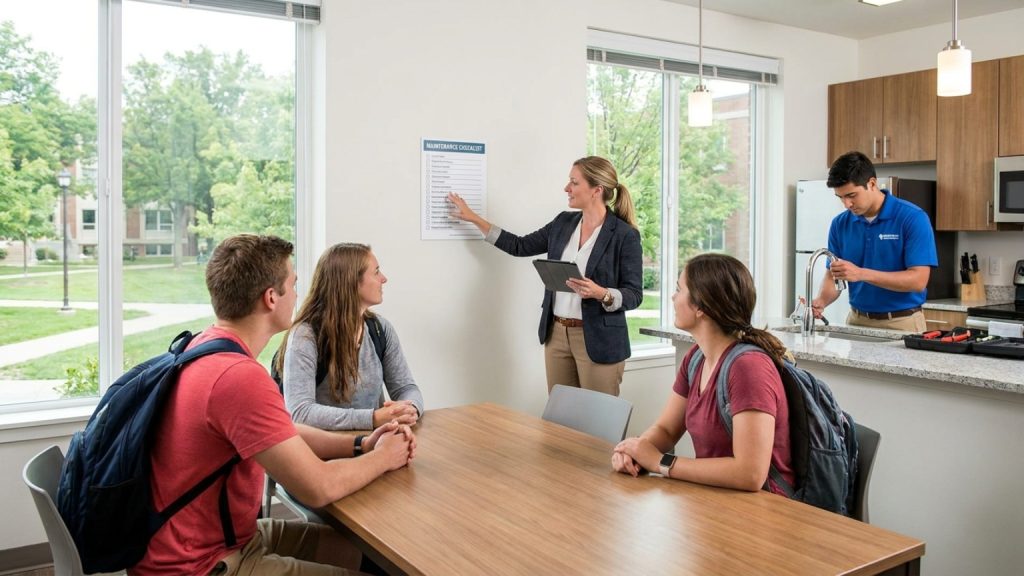
- Property maintenance: This aspect covers all necessary repairs and upkeep for the property. For example, a management team quickly arranges a plumber to fix a leaky faucet, preventing further damage and tenant discomfort.
- Tenant relations: Managing communication and addressing concerns from student residents falls under this category. This includes mediating disputes between roommates or handling noise complaints from neighbors.
- Lease administration: This involves drafting contracts, collecting rent, and managing renewals or move-outs. A manager ensures all legal documents are correct and collects rent payments on time each month.
- Marketing and vacancy: Finding new tenants and advertising available rooms or apartments is also a key part. For instance, a property manager lists a vacant room online well before the next academic term starts.
- Financial oversight: This includes budgeting, tracking expenses, and managing income from rental properties. It ensures that utility bills, property taxes, and maintenance costs are paid promptly.
Effective student rental management balances the needs of both students and property owners. It creates a stable and supportive environment for students, which also helps property owners maintain their investments.
2. Why is effective student rental management important?
Effective student rental management is crucial for creating a positive living experience for students. It also helps property owners protect their investments and ensure steady income. A well-managed property reduces potential problems for all parties involved, fostering a stable and productive environment. This approach is essential for the smooth operation of student housing operation student housing.
- Student well-being: Students perform better academically when their living situation is stable and comfortable. For example, a quick response to a broken appliance, such as a refrigerator, prevents food spoilage and minimizes disruption to a student’s routine. This support allows students to focus on their studies without unnecessary stress.
- Property value preservation: Consistent management ensures properties are well-maintained and cared for. Regular inspections and timely repairs prevent minor issues from becoming costly damages, thus protecting the owner’s asset value over time.
- Reduced vacancies and turnover: Efficient management attracts and retains good tenants. A positive reputation, built on fair practices and responsive service, means fewer empty rooms and a more consistent rental income for property owners.
- Legal compliance and dispute resolution: Management ensures all rental agreements and property operations follow local housing laws. This protects both students and property owners from potential legal issues and provides a clear process for resolving conflicts, such as roommate disagreements.
Ultimately, effective student rental management creates a beneficial situation for everyone involved. It supports students in their academic journey and secures the investment for property owners.
3. How to approach the management of student rentals?
Effective student rental management requires a systematic and thoughtful approach. This process involves specific considerations that differ from standard residential leases. A clear strategy helps ensure smooth operations and high tenant satisfaction. It also protects the property owner’s investment over time.
- Clear Lease Agreements: These documents must clearly outline tenant responsibilities, rent payment schedules, and property rules. For example, a good agreement specifies quiet hours and guest policies, preventing common disputes among student tenants.
- Regular Property Maintenance: Timely repairs and preventive maintenance are crucial for student rentals. Addressing minor issues quickly, such as a leaky faucet or a broken appliance, maintains property value and tenant comfort.
- Effective Communication Channels: Establishing open lines of communication with tenants helps resolve issues promptly. A designated contact person or an online portal allows students to report problems easily and receive quick responses.
- Thorough Tenant Screening: A comprehensive screening process helps select reliable and responsible tenants. This includes checking references, verifying enrollment, and understanding rental history to ensure a good fit for the property.
- Understanding Student Needs: Student tenants often have unique needs, such as flexible lease terms or furnished accommodations. Adapting to these requirements can make a property more appealing and reduce vacancy periods.
Adopting these practices leads to more efficient student rental management. This approach benefits both the property owner and the student residents significantly.
4. What are the key strategies for student rental management?
Effective student rental management involves a structured approach to property oversight and tenant relations. This process ensures a positive living experience for students and a stable investment for property owners.
Implementing specific strategies helps to manage properties efficiently and reduce common issues. Good management also addresses the unique needs of student tenants, such as flexible lease terms or shared living arrangements.
- Clear Communication: Property managers must establish clear lines of communication with student tenants. This includes providing timely information about rent, maintenance, and house rules. For example, regularly informing tenants about scheduled property inspections prevents misunderstandings and fosters trust.
- Timely Maintenance and Repairs: Maintaining the property in good condition is crucial for student satisfaction. Addressing repair requests quickly prevents minor issues from becoming major problems. For instance, fixing a leaky faucet soon after it is reported helps avoid water damage and keeps tenants comfortable.
- Fair and Transparent Lease Agreements: Student rental agreements should be easy to understand and fair to all parties. Clearly outlining responsibilities for utilities, cleaning, and guest policies helps prevent disputes. A landlord might specify rules about overnight guests or quiet hours in a shared student apartment.
- Thorough Tenant Screening: Selecting reliable student tenants is a foundational strategy for successful management. This process involves verifying academic enrollment, checking references, and ensuring financial stability. For example, asking for proof of student status or a guarantor helps secure responsible occupants.
These strategies help create a positive rental environment for students and protect the property investment. A well-managed student rental property benefits both the tenant and the owner.