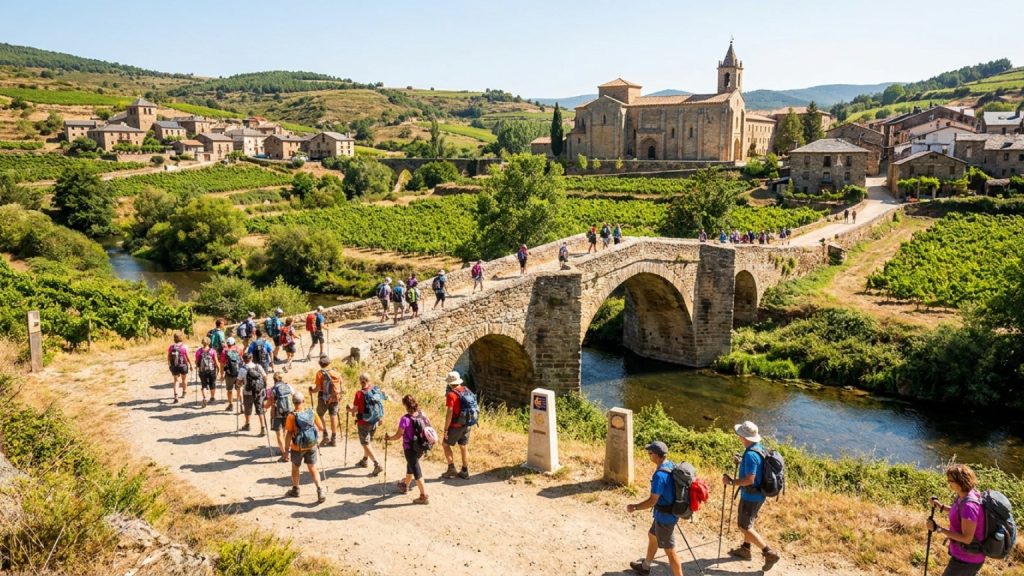
Many travelers often seek more than superficial sightseeing. The desire for a deeper connection to history, traditions, and local life is common. Standard tours can sometimes leave one feeling unfulfilled, missing the true essence of a destination. This often leads to questions about more meaningful travel options.
1. What are the cultural routes of Iberia: a definition and their characteristics?
Cultural routes in Iberia are defined as thematic journeys connecting historical, artistic, and natural heritage sites across the peninsula. These paths offer a unique way to explore the region’s rich past and present. For example, the Camino de Santiago represents a classic Iberian cultural route. The routes also highlight local traditions and diverse landscapes.
- Historical Significance: These routes often follow ancient Roman roads, medieval pilgrimage paths, or historical trade routes. They link significant landmarks, providing a tangible connection to Iberian history.
- Authentic Immersion: The journeys allow for deep engagement with local communities and their customs. Travelers experience traditional gastronomy and daily life in small towns.
- Diverse Landscapes: Participants traverse varied terrain, from the rugged coastlines of Galicia to the olive groves of Andalusia. This geographical variety enhances the overall travel experience.
- Educational Value: The routes provide opportunities to learn about Iberian art, architecture, and social evolution. Expert guides often share detailed insights into each site’s importance.
- Slow Travel Approach: This type of travel encourages a deliberate pace, fostering a deeper appreciation for each destination. It prioritizes meaningful connections over rushed sightseeing.
Cultural routes in Iberia offer more than just travel; they provide an enriching exploration of a vibrant heritage. They appeal to individuals seeking profound cultural immersion and genuine discovery.
2. Why do the cultural routes of Iberia offer a deep immersion?
The cultural routes across Iberia provide a profound journey rather than a simple tour. These paths offer deep immersion into the region’s rich history and diverse traditions. A traveler gains an authentic connection with local life and heritage. This approach allows for a comprehensive understanding of the Iberian Peninsula’s unique character.
- Historical Layers: Many routes trace paths used for centuries, revealing deep historical continuity. For example, the Camino de Santiago shows Roman roads, medieval pilgrimage sites, and modern communities.
- Local Encounters: The journeys encourage interactions with local artisans, farmers, and small business owners. This direct engagement offers insight into daily life and regional customs.
- Gastronomic Exploration: These routes often lead to authentic culinary experiences, showcasing regional dishes and traditional cooking methods. A traveler can taste local wines, olive oils, and specialty cheeses directly from producers.
- Natural and Cultural Landscapes: The paths often weave through varied landscapes, connecting natural beauty with historical sites. This integration highlights how geography has shaped Iberian cultures over time.
- Unrushed Exploration: Slow travel principles allow for extended stays in specific locations, fostering a deeper appreciation for each place. This unhurried pace enables a more meaningful engagement with the surroundings.
The cultural routes of Iberia provide a rich tapestry of experiences beyond typical tourism. This immersive approach ensures a lasting connection with the spirit and heritage of the peninsula.
3. What are the indicators of authentic cultural routes in Iberia?
Authentic cultural routes in Iberia offer a profound connection to the region’s heritage. These journeys move beyond popular tourist sites, providing a deeper understanding of local life. Such routes reveal the true spirit of Spain and Portugal. They foster a genuine appreciation for their rich traditions.
- Local Immersion: Authentic routes prioritize engagement with local communities. This often involves visiting small villages and interacting directly with artisans or shopkeepers, experiencing daily life firsthand.
- Historical Depth: The routes explore genuine historical events and often include lesser-known sites. For example, a route might delve into the Roman ruins of Mérida or the medieval Jewish quarters of Girona, offering unique insights.
- Gastronomy and Traditions: These routes highlight true local food and traditional crafts. Participants might enjoy a regional cooking class or witness a traditional festival, connecting with the culture through its customs.
- Environmental Respect: Authentic experiences promote sustainable practices and often involve small group travel. This approach minimizes environmental impact and supports the preservation of natural and cultural landscapes.
- Expert Local Guides: Knowledgeable guides with deep local roots enhance the experience significantly. They share personal stories and historical context, bringing the destination to life for visitors.
These indicators collectively ensure a truly enriching experience for visitors. Such cultural journeys foster a profound and lasting appreciation for Iberian history and traditions.
4. What is involved in the planning of authentic cultural routes in Iberia?
Planning authentic cultural routes in Iberia involves a comprehensive and detailed approach. This process moves beyond simply selecting popular destinations. It requires a deep understanding of historical narratives, local customs, and regional specialties. Such meticulous preparation ensures a truly immersive and meaningful travel experience.
- Extensive Historical and Cultural Research: This step involves studying the historical significance of regions and specific sites. It ensures the route accurately reflects Iberia’s diverse past, for example, tracing the Roman presence or Moorish influences.
- Engagement with Local Communities: Planning includes connecting with local residents, artisans, and small businesses. This interaction helps to uncover genuine experiences and support the local economy.
- Careful Route Design and Logistics: The route’s flow must be logical and comfortable for travelers. This includes considering transportation, accommodation, and the pace of daily activities.
- Focus on Authenticity: Specialists prioritize unique, non-touristy locations and experiences. This prevents the route from feeling commercial and keeps the focus on genuine cultural exchange.
- Sustainable and Responsible Practices: This approach considers the environmental and social impact of tourism. It aims to preserve cultural heritage and natural landscapes for future generations.
The careful planning of cultural routes creates journeys that offer deep insights into Iberian identity. This ensures travelers gain a profound connection to the region’s rich history and vibrant traditions.