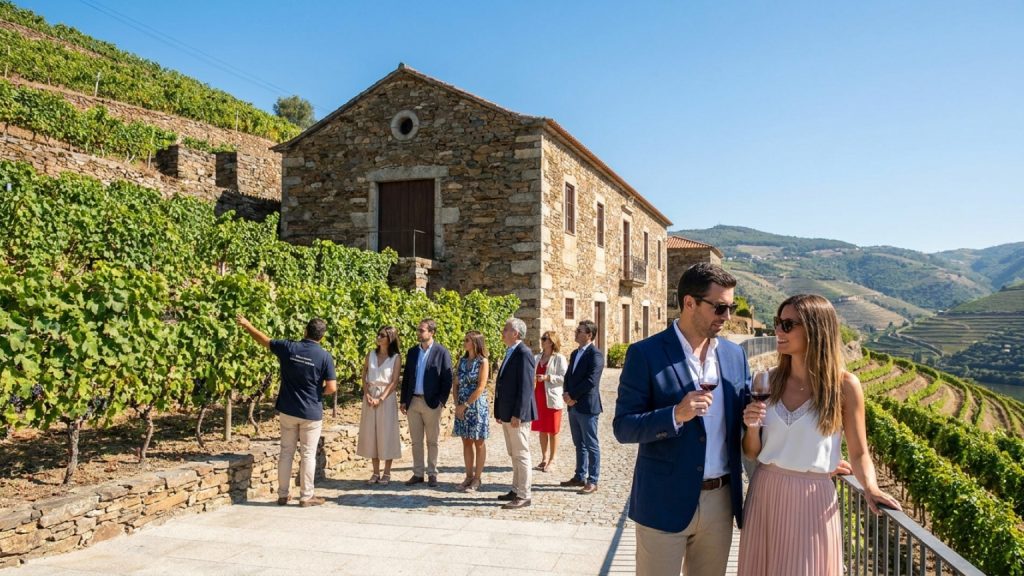
Many travelers seek authentic experiences beyond typical tourist paths. They often desire a deeper connection to local traditions and landscapes. However, identifying how to combine these interests with specific passions, such as wine, can be challenging. This article explores the unique appeal of wine tourism in the Iberian Peninsula.
1. What is the concept of wine tourism in the Iberian Peninsula?
Wine tourism in the Iberian Peninsula encompasses a rich array of experiences centered on wine production and its surrounding culture. This concept goes beyond simple wine tasting. It involves exploring vineyards, visiting historic wineries, and understanding local traditions. It also offers a deep connection to the region’s history, gastronomy, and landscapes.
- Vineyard Exploration: This activity allows visitors to walk through grapevines and learn about viticulture. For example, a tour might explain the specific soil types in the Douro Valley that influence port wine production.
- Winery Tours and Tastings: Guests can observe the winemaking process from grape to bottle. A specialist guides them through different vintages, explaining each wine’s characteristics and regional variations.
- Gastronomic Pairings: Wine tourism often includes culinary experiences that complement local wines. Visitors might enjoy traditional dishes paired with regional selections, enhancing their understanding of the local food culture.
- Cultural Immersion: This approach connects wine with the broader cultural heritage of the area. It can involve participating in harvest festivals or learning about the historical significance of specific wine regions, such as Jerez.
- Rural Stays: Many wine regions offer accommodation in charming estates or boutique hotels near vineyards. These stays provide an authentic experience, allowing guests to wake up surrounded by the winemaking landscape.
This form of tourism provides a unique way to discover the Iberian Peninsula. It offers a blend of sensory pleasure, education, and cultural insight.
2. Why is wine tourism in the Iberian Peninsula a significant experience?
Wine tourism in the Iberian Peninsula offers a significant experience for many reasons. This region features a deep history of winemaking, blending ancient traditions with modern techniques. It provides an opportunity to explore diverse landscapes and rich cultural heritage. The focus extends beyond simply tasting wine, presenting a comprehensive journey into local life.
- Rich Historical Roots: The Iberian Peninsula has cultivated grapes for thousands of years. This long history means many wineries operate in ancient estates, offering a glimpse into past winemaking methods.
- Diverse Terroirs and Grape Varieties: The peninsula’s varied geography, from coastal regions to high plateaus, creates many distinct terroirs. This diversity supports a wide range of native and international grape varieties, each with unique characteristics.
- Culinary and Cultural Integration: Wine tourism here often includes local gastronomy, pairing regional dishes with specific wines. Visitors also encounter traditional festivals, historical sites, and local artisan crafts during their journey.
- Immersive Vineyard Experiences: Many estates offer guided tours of their vineyards and cellars, allowing direct interaction with winemakers. Guests can learn about the entire winemaking process, from grape to bottle, in a personal setting.
Therefore, wine tourism in the Iberian Peninsula is more than just a trip; it is an exploration of heritage, taste, and natural beauty. This journey provides a profound connection to the land and its people, creating lasting memories.
3. How does one identify quality experiences in wine tourism across the Iberian Peninsula?
Identifying quality wine tourism experiences in the Iberian Peninsula requires more than just visiting a winery. A truly enriching experience connects visitors with the region’s history, culture, and winemaking traditions.
It involves a deeper understanding of the land and its people, moving beyond simple tastings to offer genuine immersion. The best experiences often highlight local authenticity and sustainable practices.
- Authenticity and local connection: Quality experiences prioritize genuine local interaction over commercialized tours. For example, a small, family-owned bodega that shares its ancestral winemaking methods provides a more authentic insight than a large, corporate facility.
- Expert guidance and storytelling: Knowledgeable guides enhance the experience by sharing insights into the region’s viticulture, history, and unique terroir. They can explain the specific characteristics of grapes grown in a particular area, such as the Douro Valley.
- Immersive and educational activities: Beyond wine tasting, quality programs offer activities like vineyard walks, participation in harvest events, or food pairings with regional dishes. This allows visitors to actively engage with the winemaking process and local gastronomy.
- Small group settings: Intimate group sizes foster a more personalized and engaging atmosphere. This allows for direct interaction with winemakers and guides, making the experience more memorable and informative.
- Commitment to sustainability: Esteemed wineries often demonstrate a clear dedication to environmental stewardship and responsible tourism. They implement practices that protect the land and support local communities, ensuring the long-term health of the region.
Seeking these elements helps ensure a wine tourism experience is both meaningful and memorable. Such an approach leads to a richer appreciation of the Iberian Peninsula’s diverse and vibrant wine culture.
4. What steps should be taken for an authentic wine tourism journey in the Iberian Peninsula?
An authentic wine tourism journey in the Iberian Peninsula involves more than simple wine tasting. It requires a deeper engagement with the region’s culture, history, and winemaking traditions. This approach ensures a memorable experience that connects visitors with the essence of Iberian enology.
- Research specific regions: The Iberian Peninsula offers diverse wine regions, each with unique characteristics. For example, the Ribera del Duero in Spain focuses on robust red wines, while the Douro Valley in Portugal is known for its Port wine and impressive terraced vineyards.
- Prioritize small, local wineries: Smaller, family-run bodegas and quintas often provide a more personal and intimate experience. Visitors can meet the winemakers and learn directly about their craft and heritage.
- Integrate local gastronomy: Wine pairs best with regional food. Exploring local markets and traditional restaurants allows visitors to discover authentic dishes that complement the wines produced in the area.
- Engage with cultural heritage: An authentic journey extends beyond the cellar. Visiting historical sites, local festivals, or artisanal shops enhances the understanding of the region’s identity and its connection to winemaking.
- Consider off-peak travel: Traveling during quieter seasons, such as spring or autumn, allows for more intimate interactions with locals and winemakers. This also avoids large crowds, making the experience more relaxed.
Following these steps helps create a truly immersive and enriching wine tourism experience. It ensures a genuine connection with the land, its people, and the rich winemaking legacy of the Iberian Peninsula.