Many travelers find standard tours lack depth and authentic connection. The desire for unique, enriching journeys often remains unfulfilled by conventional options. A deeper engagement with local heritage and art is frequently sought. This pursuit leads to a different kind of travel.
1. Qué significa una experiencia cultural de lujo?
A luxury cultural experience offers more than just high-end services. It provides deep, authentic engagement with a destination’s heritage and traditions. This type of journey focuses on exclusivity, personalization, and rich educational value. It creates a profound connection with the local culture.
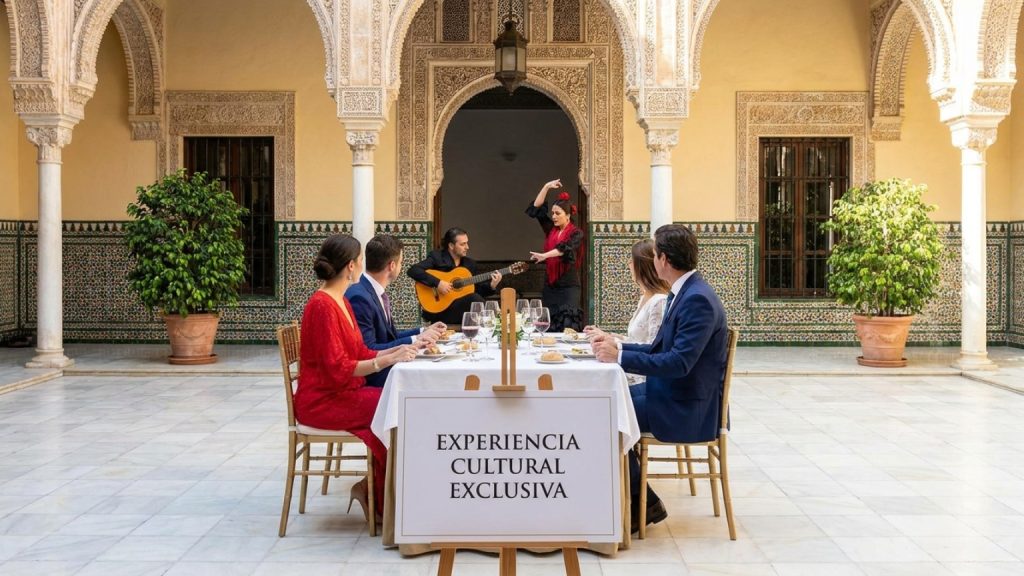
- Authentic Immersion: This involves connecting deeply with local traditions, people, and history. For example, a traveler might attend a private flamenco performance featuring local artists in a historic Seville courtyard.
- Exclusivity and Access: These experiences often provide private access to sites or unique perspectives not available to the general public. An example includes visiting a historical monument outside regular public hours, allowing for a quiet and personal exploration.
- Personalized Itineraries: The journey is tailored to individual interests and preferences. This could mean a custom-designed tour focusing on a specific historical period or an art movement, ensuring every detail aligns with the traveler’s desires.
- Expert Guidance: Knowledgeable local guides offer deep insights and context, transforming sightseeing into a learning experience. A historian leading a group through an ancient Roman city provides unparalleled understanding of its past.
- Comfort and Smoothness: High-quality logistics ensure a stress-free and smooth travel experience. This includes private transfers, carefully selected accommodations, and meticulous planning that removes all travel burdens.
These elements combine to create a memorable and profoundly enriching travel experience. It leaves a lasting impression far beyond typical sightseeing.
2. Por qué la inversión en experiencias culturales de lujo es valiosa?
Investing in luxury cultural experiences offers significant value beyond standard tourism. These journeys provide deep, authentic immersion into a destination’s heritage and traditions. Such experiences create lasting memories and foster a greater understanding of different cultures understanding different cultures.
- Authentic Immersion: These experiences allow a traveler to engage directly with local life and customs. A private cooking class with a local chef, for example, reveals traditional culinary techniques.
- Exclusive Access: Participants gain entry to unique venues or events typically closed to the general public. This might include a private viewing of an ancient art collection.
- Expert Guidance: Specialized guides offer profound insights, historical context, and personal stories. A historian, for instance, can illuminate the intricate narratives behind ancient architectural wonders.
- Personalized Itineraries: Each journey is carefully tailored to individual preferences and specific interests. This ensures the experience aligns perfectly with a traveler’s desires, focusing on a particular art form or historical period.
- Lasting Enrichment: The profound knowledge and personal growth acquired extend far beyond the duration of the trip itself. A deep connection to a place and its people leaves an enduring impact on one’s worldview.
Therefore, this investment enhances personal knowledge and offers unique perspectives. It represents a commitment to meaningful and transformative travel.
3. Cómo se identifican las características de las experiencias culturales de lujo?
Luxury cultural experiences stand apart from typical tourism. They offer a deep immersion into a destination’s heritage, providing more than just sightseeing. These experiences focus on exclusivity, authenticity, and a high degree of personalization. This approach ensures a memorable journey for the traveler.
- Exclusivity and access: Luxury cultural experiences often provide private access or unique opportunities not available to the general public. For example, a small group might receive a private tour of a historical monument after public hours.
- Authenticity and immersion: These experiences connect travelers deeply with local traditions, art, and history. A cooking class with a local chef in their home, rather than a large hotel kitchen, represents this genuine immersion.
- Personalization and customization: Itineraries are carefully crafted to match the specific interests and preferences of each traveler. A journey might focus entirely on Roman history or a particular artistic movement, tailored to individual desires.
- Expert guidance: Knowledgeable local specialists or historians lead these experiences, offering profound insights and context. A historian explaining the intricate details of an ancient ruin enhances understanding beyond a simple guidebook.
- Comfort and seamlessness: Every logistical detail is handled with precision, ensuring a stress-free and comfortable journey. This includes private transfers, premium accommodations, and attentive service throughout the trip.
These characteristics define a luxury cultural experience. They create a journey that is both enriching and deeply personal.
4. Qué consideraciones guían la planificación de una experiencia cultural de lujo?
Planning a luxury cultural experience requires careful consideration. These journeys extend far beyond typical tourism activities. They aim to provide authentic immersion, exclusive access, and profound connections with a destination’s heritage. The process focuses on creating an unparalleled and deeply personal exploration of culture.
- Authenticity and immersion: This involves genuine engagement with local traditions and people. For example, a private cooking class with a local chef offers a real taste of the culture, moving beyond standard restaurant meals.
- Exclusivity and access: Unique opportunities and private viewings define these experiences. A private tour of a historical site after hours, free from crowds, provides a distinct perspective.
- Expert guidance: Knowledgeable local guides offer deep insights into the culture and history. A historian explaining ancient ruins provides context that a general tour guide might miss.
- Personalization: Tailoring the journey to individual preferences ensures a unique trip. Customizing an itinerary to include specific art interests or historical periods makes the experience more relevant.
- Smooth logistics: Smooth travel arrangements and comfortable accommodations enhance the entire experience. Private transfers and carefully selected boutique hotels remove stress from the journey.
These guiding principles ensure the creation of truly memorable and enriching cultural journeys. They help travelers form deep, meaningful connections with each destination.