Planning any gathering can feel overwhelming, and ensuring it stands out from the ordinary is a common challenge. Many hosts wonder how to create truly memorable experiences that resonate with their guests. Understanding the core elements of unique occasions helps address this uncertainty.
1. What is the definition of special events?
Special events are planned occasions that differ significantly from routine activities or everyday gatherings. They typically have a specific purpose, a defined start and end time, and often involve a unique experience for attendees.
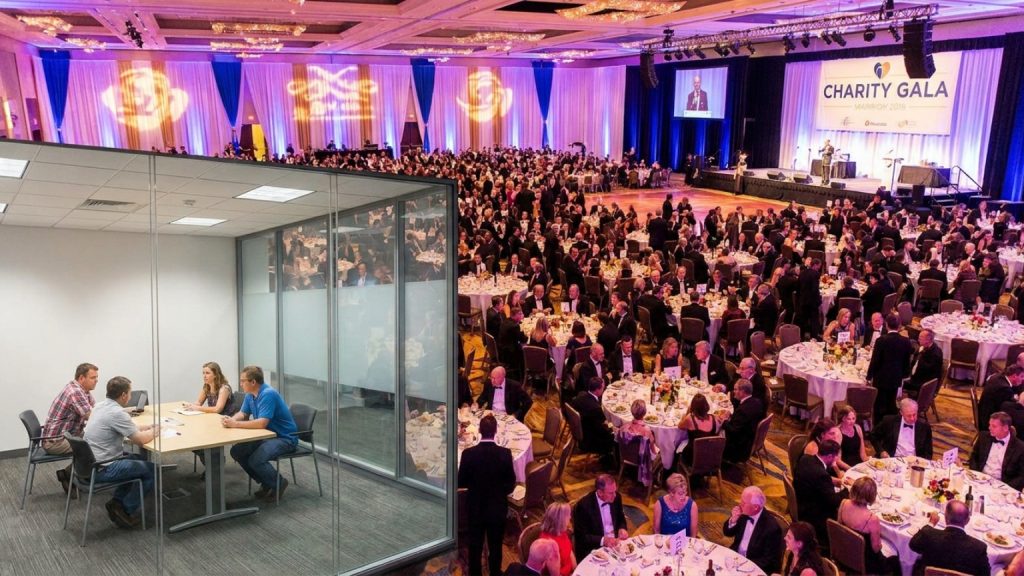
These events require careful organization and resources to achieve their intended goals. For example, a charity gala raises money for a cause, unlike a weekly staff meeting.
- Purpose-driven: Special events always have a clear objective they aim to achieve. This could involve celebrating a significant milestone, raising funds for a charity, or educating a specific audience on a new topic.
- Temporary Nature: These events occur at a defined time and location, making them distinct from ongoing, routine operations. Once the event concludes, its direct activities and setup are dismantled, emphasizing its limited duration.
- Unique Experience: They offer attendees something out of the ordinary, aiming to create memorable moments and lasting impressions. This uniqueness might stem from special entertainment, keynote speakers, or interactive elements not found in regular gatherings.
- Careful Planning: Organizing special events involves detailed preparation and coordination, often spanning many months. Every aspect, from selecting the venue, managing the guest list, and vendor contracts, requires precise management to ensure success.
- Specific Audience: Most special events target a particular group of people rather than the general public. For example, a product launch focuses on attracting potential customers and media representatives, ensuring the message reaches the most relevant group.
In summary, special events are distinct, planned occasions designed to achieve specific objectives. Their temporary nature and unique offerings set them apart from everyday gatherings.
2. Why are special events important for connection and impact?
- Fostering community: Special events bring people together with a common purpose or interest. This helps build stronger social bonds and a sense of belonging among attendees, creating a cohesive group.
- Creating shared memories: Unique experiences at these events become memorable moments for everyone involved. People often recall these times for years, which strengthens their personal and professional relationships. For example, a company’s annual awards dinner creates a collective memory of achievement and celebration for its team.
- Increasing engagement: These events offer focused environments for interaction and active participation. This direct involvement can lead to greater interest and support for a cause, a brand, or an organization.
- Making a lasting impact: Special events often serve a specific goal, such as raising awareness or funds for a charity. Their focused nature helps achieve these objectives more effectively and leaves a stronger impression than regular activities.
3. How can you identify the core elements of successful special events?
To identify the core elements of successful special events, one must look beyond simple gatherings. These events require careful thought and execution to achieve their specific aims. Understanding these key components helps ensure a memorable and impactful experience for all involved. They transform an ordinary meeting into something truly special.
- Clear Purpose: Every successful special event starts with a well-defined goal. This purpose guides all planning decisions and helps measure the event’s success. For example, a product launch aims to generate media buzz and sales interest.
- Target Audience: Knowing who the event is for is crucial. The audience’s preferences, expectations, and needs shape the event’s content, location, and activities. An event for children will differ greatly from one for industry executives.
- Detailed Planning: Success depends on thorough organization and attention to every detail. This includes logistics, scheduling, vendor coordination, and staffing. A detailed plan prevents last-minute issues and ensures smooth operation.
- Engaging Experience: The event must offer something unique and valuable to attendees. This could be entertainment, educational content, networking opportunities, or a specific atmosphere. Creating a positive emotional connection makes the event stand out.
- Effective Communication: Clear and timely communication is vital before, during, and after the event. This includes invitations, instructions, updates, and follow-ups. Good communication manages expectations and keeps everyone informed.
Focusing on these elements helps organizers create special events that truly resonate. They ensure that the event delivers its intended value and leaves a lasting impression.
4. What are the initial steps for planning memorable special events?
Planning memorable special events begins with careful preparation. These initial steps ensure the event stands out from a regular gathering. They establish a strong foundation for success, guiding all subsequent decisions.
- Define the event’s purpose: Clearly identify the main goal and target audience for the event. For example, a charity gala aims to raise funds and awareness, while a family reunion focuses on connection and celebration.
- Set a clear budget: Determine how much money is available for all aspects of the event. This financial plan guides choices for venues, catering, and entertainment, preventing unexpected costs.
- Determine the guest list and date: Decide who you want to invite and when the event will happen. A wedding for 100 people requires different planning than a small, intimate dinner.
- Select a theme or concept: Choose an idea that will make the event unique and cohesive. A «vintage Hollywood» theme for an anniversary party helps guide decor, music, and even dress code.
- Choose the right venue: Find a location that fits the event’s purpose, guest count, and chosen theme. A spacious banquet hall suits a large corporate meeting, but a cozy restaurant might be better for a small workshop.
These foundational steps are crucial for creating a special event that achieves its goals. They help ensure every detail contributes to a truly memorable experience for all attendees.