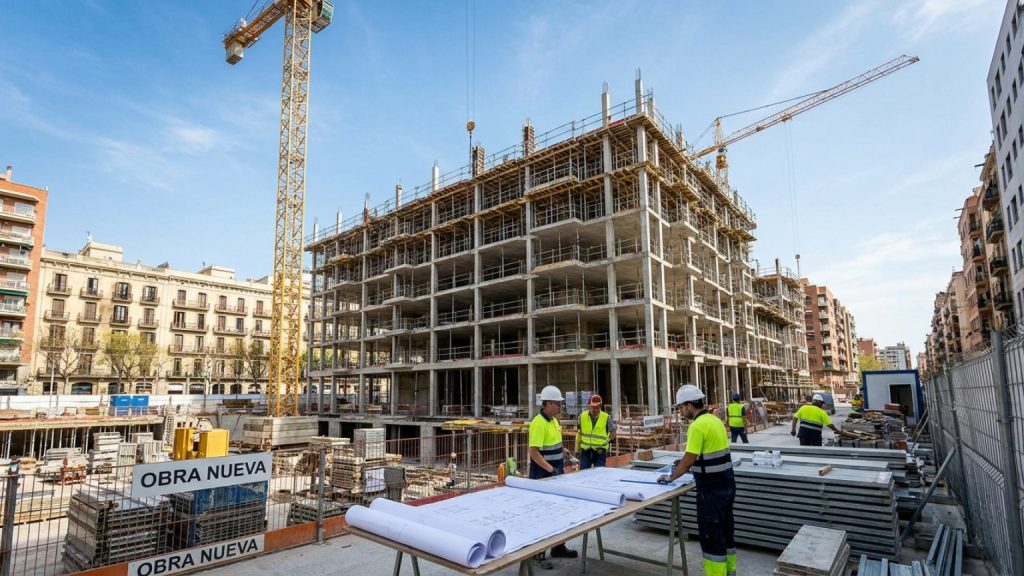
We understand that many people dream of a custom home, but the process of new construction can seem overwhelming. You might wonder about regulations, costs, and the steps involved in building from the ground up. We believe understanding these initial challenges is crucial for a successful project.
1. What is the concept of new construction in urban areas?
New construction in urban areas refers to creating entirely new buildings or complexes within a city’s limits. This process often involves developing vacant land or replacing existing, older structures.
In a vibrant city like Barcelona, new construction projects are essential for growth and modernization. They help meet the demands for housing, commercial spaces, and public facilities.
- Project Scope: New construction can range from single-family homes to large residential blocks, office buildings, or public infrastructure. For example, a new apartment complex in Barcelona’s Sant Martí district is a clear instance of urban new construction. These projects often aim to increase housing capacity or provide modern workspaces.
- Regulatory Framework: Every new construction project must follow strict local building codes and zoning laws. In Barcelona, this includes specific height restrictions, material requirements, and energy efficiency standards. Adhering to these rules ensures safety and proper urban planning.
- Urban Integration: A key aspect involves ensuring new buildings blend well with the existing urban landscape. Architects consider the surrounding architecture, street patterns, and public spaces during the design phase. This helps maintain the city’s unique character.
- Sustainability Focus: Modern new construction projects increasingly prioritize sustainable design and materials. This includes using energy-efficient systems, renewable resources, and green building practices. Such efforts reduce environmental impact and lower long-term operating costs.
Understanding new construction involves more than just building; it means shaping the future of urban environments. Thoughtful planning ensures these developments contribute positively to the city’s fabric and its residents’ quality of life.
2. Why consider the advantages of new construction for your future?
Choosing new construction offers many clear benefits for your future living or investment needs. These projects provide modern amenities and meet current building standards. In a dynamic city like Barcelona, new builds offer a distinct appeal compared to older properties compared older properties.
- Modern Design and Layouts: New homes feature contemporary designs with open spaces and abundant natural light. For example, a family looking for a spacious apartment in Barcelona will find that new developments often provide layouts better suited for modern living than older, traditional buildings.
- Energy Efficiency: These properties include advanced insulation, modern windows, and efficient heating and cooling systems. This means lower utility bills and a smaller environmental footprint for you over time.
- Reduced Maintenance: New construction uses new materials and systems, which means fewer immediate repairs or updates. Unlike an older apartment in the Gothic Quarter, a new build will not need an immediate boiler replacement or roof repair.
- Customization Options: Often, you can choose finishes, fixtures, and even some layout adjustments before the project is complete. This allows you to personalize your space to fit your taste and needs from the start.
- Compliance with Latest Regulations: New buildings adhere to the most recent safety, accessibility, and environmental codes. This ensures your property meets high standards for security and structural integrity.
Investing in new construction provides long-term value and a comfortable, up-to-date living experience. These advantages make new builds a smart choice for many buyers in Barcelona.
3. How is the process of new construction managed from start to finish?
Managing a new construction project requires a structured approach from its first idea to its final completion. This process involves several distinct stages, each needing careful attention and expert coordination. Proper management ensures the project stays on schedule, within budget, and meets all quality standards.
- Project Conception and Design: This initial stage defines the project’s scope, goals, and aesthetic vision. Architects work with clients to create detailed plans and drawings, ensuring the design fits both the client’s needs and local Barcelona building codes.
- Permit and License Acquisition: Before any physical work begins, obtaining the necessary permits from the Barcelona city council is crucial. This step involves submitting plans and documents to ensure the project complies with urban planning and environmental regulations. For example, building a new apartment block needs specific municipal licenses.
- Construction and Site Management: This phase covers all physical building work, from laying foundations to installing finishes. A project manager oversees contractors, manages materials, and conducts regular site visits to maintain quality and safety standards.
- Quality Control and Inspections: Throughout the construction process, independent inspectors and project managers perform checks to ensure work meets design specifications and building codes. This continuous oversight helps identify and correct issues early.
- Project Handover and Post-Completion: Once construction finishes, the building undergoes final inspections and necessary certifications. After approval, the project is officially handed over to the client, often with a period for addressing any minor adjustments or defects.
A well-managed new construction process minimizes risks and ensures a smooth journey from concept to a completed building. This structured approach helps deliver successful projects that meet expectations.
4. What are the first steps for planning a new construction project?
- Site Selection and Feasibility: This involves choosing the right plot of land for your project. You also need to check if the site is suitable for your planned construction, considering factors like soil quality and access.
- Defining Project Scope and Budget: Clearly outline what you want to build and how much you can spend. For example, deciding between a multi-story apartment building or a single-family home greatly impacts costs and design.
- Legal and Regulatory Review: Understanding local building codes and permits is essential for new construction in Barcelona. The city’s urban plan dictates specific requirements for building heights, uses, and setbacks.
- Hiring an Architect and Design Team: Find professionals who can translate your vision into detailed plans. An experienced architect in Barcelona can navigate local regulations and advise on design options.
- Preliminary Design and Concept Development: This stage involves creating initial sketches and ideas for the building. You will explore different layouts and aesthetic options to match your project goals.