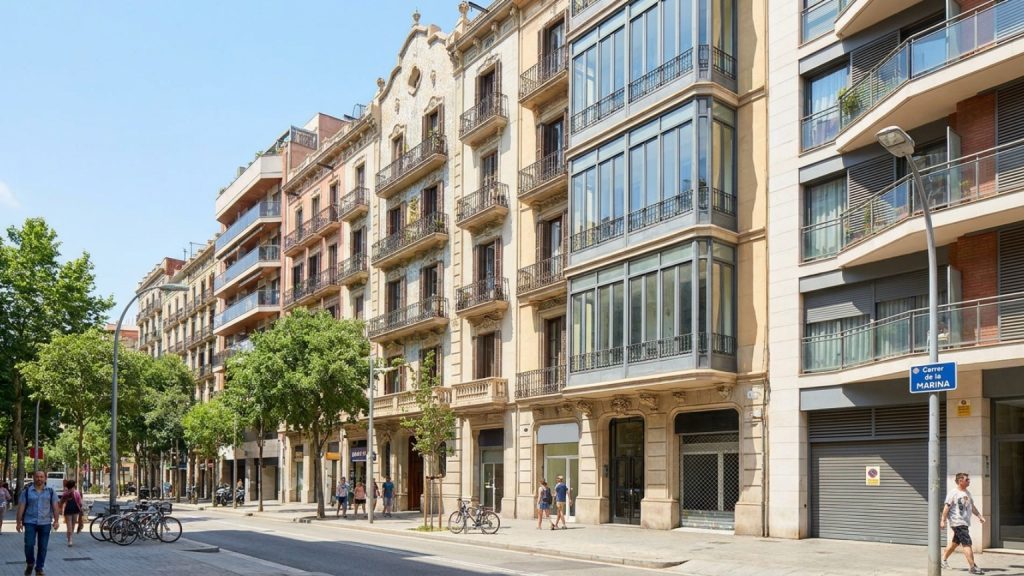
Planning a new home or renovation project can feel complex. You might wonder about local styles, regulations, or how to begin. Understanding residential architecture in Barcelona is the first step to making informed decisions. We will guide you through the essentials of designing your ideal living space.
1. Qué es la arquitectura residencial: su concepto y propósito?
Residential architecture focuses on designing and constructing living spaces for individuals and families. Its primary concept involves creating functional, comfortable, and aesthetically pleasing environments that meet specific human needs.
In a city like Barcelona, residential architecture also shapes the urban landscape and reflects cultural values. This field considers both the practical aspects of daily life and the desired atmosphere of a home.
- Functionality: This ensures a home supports daily activities efficiently. For example, a well-designed kitchen allows for easy meal preparation and storage.
- Aesthetics and Design: Architecture gives a home its visual identity and character. The unique facades and interior layouts common in Barcelona’s Eixample district show this focus.
- Comfort and Well-being: Architects design spaces to promote physical and mental comfort. This includes natural light, good ventilation, and quiet areas for relaxation.
- Integration with Context: Residential buildings must fit their surroundings and comply with local regulations. In Barcelona, this means considering historical preservation and specific building codes.
- Adaptability and Durability: Homes should withstand time and adapt to changing needs. A flexible layout can serve a family for many years, even as their lifestyle evolves.
Residential architecture is more than just building houses; it is about crafting environments that enrich lives. It directly influences how people live, interact, and feel within their personal spaces and the broader community.
2. Por qué es importante la arquitectura residencial para la calidad de vida?
Residential architecture does more than just provide shelter. It profoundly shapes how people live their daily lives, influencing their comfort and well-being. A well-designed home directly improves overall happiness. For example, in Barcelona, thoughtful design can maximize natural light and efficiently use space.
- Comfort and Functionality: Good residential design makes homes comfortable and easy to use. It considers how people move and interact within their living spaces. An open-plan living area, for instance, allows for easier family interaction and better flow.
- Health and Well-being: Architecture influences both physical and mental health. Access to natural light and good ventilation can reduce stress and improve air quality. A home designed with ample windows and proper airflow helps create a healthier environment.
- Community Connection: Residential buildings often help shape the character of a neighborhood. Design elements like balconies or shared courtyards can encourage interaction among residents. This helps build stronger local communities.
- Sustainability and Efficiency: Sustainable residential architecture reduces environmental impact. It uses materials and designs that save energy and resources. Choosing local, durable materials, for example, helps lower a home’s ecological footprint.
- Aesthetics and Identity: The look and feel of a home contribute to personal and cultural identity. Good design creates spaces that are visually pleasing and reflect the residents’ style. A building that respects Barcelona’s distinct urban fabric also adds to the city’s beauty.
Therefore, residential architecture is a fundamental aspect of human well-being. It creates environments that support and enhance daily life in many important ways.
3. Cómo se aborda un proyecto de arquitectura residencial?
A residential architecture project begins with a deep understanding of the client’s vision and needs. This process requires a structured approach to ensure all aspects are considered, from initial ideas to final construction. For residential architecture in Barcelona, local regulations and the city’s unique urban fabric also play a vital role play vital role.
- Initial client brief: This first step involves understanding your unique needs, lifestyle, and aspirations for your home. We discuss your budget, desired aesthetics, and functional requirements in detail.
- Site and regulatory analysis: Architects then carefully examine the building site, considering its orientation, views, and existing structures. In Barcelona, this also includes a thorough review of specific district regulations, such as those in the Eixample, which dictate building height and facade design.
- Conceptual design and development: Based on the brief and site analysis, preliminary designs, floor plans, and 3D models are created. This stage allows for early feedback and refinement, shaping the project’s core idea.
- Technical project definition: The chosen concept is then translated into detailed technical drawings, material specifications, and structural calculations. These documents are essential for obtaining permits and guiding the construction team.
- Construction oversight and management: We oversee the construction phase, ensuring the project adheres to the design, budget, and timeline. This includes regular site visits and coordination with contractors.
This systematic approach ensures that every residential project is executed with precision and care. It transforms your vision into a functional and beautiful living space, designed to meet your specific needs.
4. Qué considerar al iniciar un proyecto de arquitectura residencial?
- Your Budget: Understanding your financial limits is the first step. Your budget affects the size of the project, the materials we can use, and the level of finishes. For example, a renovation of an apartment in Eixample will have different cost implications than building a new house outside the city center.
- Local Regulations: Barcelona has specific building codes and historical preservation rules. We must follow these laws to get the necessary permits for your residential architecture project. Ignoring these can cause significant delays and added costs.
- Functionality and Lifestyle: Think about how you will use the space every day. How many people live there, and what are their daily routines? A family with young children needs different room layouts and storage solutions compared to a single professional working from home.
- Design Style and Aesthetics: Consider the look and feel you want for your home. Do you prefer modern, traditional Catalan, or something else? We help integrate your personal style with the architectural character of Barcelona, ensuring a cohesive and beautiful result.
- Sustainability Goals: Many clients now want energy-efficient homes. We can discuss options for natural light, insulation, and sustainable materials to reduce your home’s environmental impact and running costs. This is increasingly important for residential architecture in Barcelona.