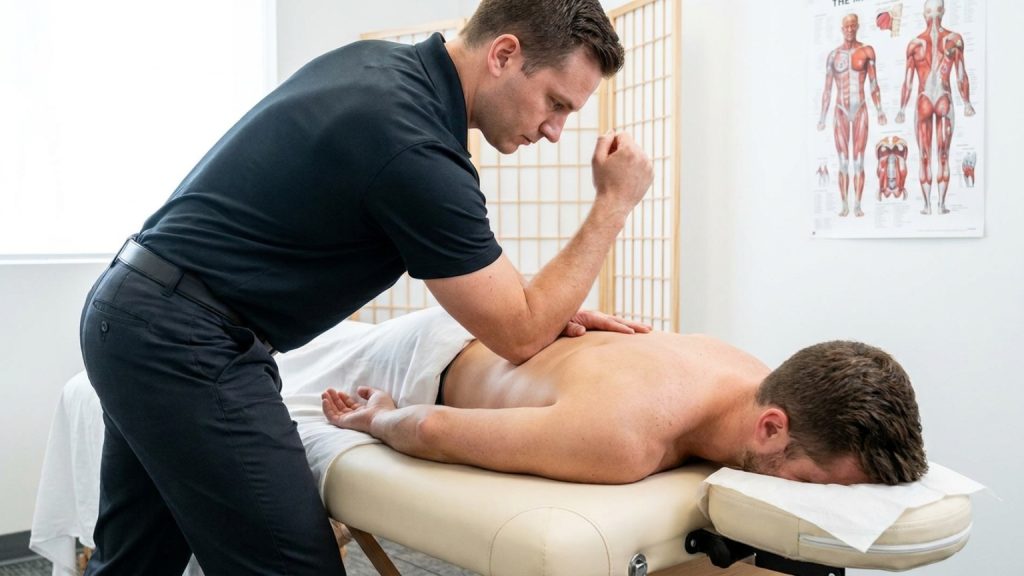
Do you often feel muscle stiffness, chronic pain, or persistent stress? These common issues can significantly affect your daily life. We understand the impact discomfort has on you. Therapeutic massages offer a professional approach to address these concerns.
1. What is the difference between a therapeutic massage and a deep tissue massage?
Many people confuse therapeutic massage with deep tissue massage. While both can provide significant relief, their primary goals and approaches differ. A therapeutic massage is a broad category, aiming to treat specific health conditions or injuries. Deep tissue massage, however, is a specific technique often used within a therapeutic context within therapeutic context.
- Main Goal: A therapeutic massage aims to address a specific issue, like reducing pain from an injury or improving range of motion. Deep tissue massage focuses on releasing chronic muscle tension and knots in deeper muscle layers.
- Techniques Used: Therapeutic massage may use a variety of techniques, such as trigger point therapy, myofascial release, or stretching. Deep tissue massage primarily uses slow, firm strokes and sustained pressure to reach underlying tissues.
- Pressure Level: The pressure in a therapeutic massage adjusts to your condition and comfort, ranging from light to firm. Deep tissue massage typically uses consistent, deep pressure to access and release tension in deeper muscles.
- Focus Area: A therapeutic massage targets specific problem areas and the surrounding structures that might be contributing to the issue. Deep tissue massage concentrates on the deepest layers of muscle tissue and fascia, often in areas of chronic stiffness.
- Client Experience: You might feel a mix of pressure and gentle stretching during a therapeutic massage, leading to improved function and less pain. Deep tissue massage can feel intense and sometimes cause temporary soreness as deep knots release. For example, someone with sciatica might receive a therapeutic massage focusing on nerve compression, while someone with persistent shoulder knots might choose deep tissue.
Understanding these differences helps you choose the right treatment. The best approach depends on your specific needs, whether for general tension or a particular ailment.
2. What are the benefits of therapeutic massages for pain relief and stress reduction?
Therapeutic massages offer clear benefits for managing pain and reducing stress. They specifically target areas of muscle tension and discomfort. This approach helps soothe physical aches and calm your mind. Many people find these massages effective for both chronic pain and daily stress.
- Pain Relief: Therapeutic massages work directly on tight muscles and fascia. This helps release knots and reduce inflammation, easing discomfort from conditions like sciatica or neck stiffness.
- Stress Reduction: The focused touch and calm environment of a therapeutic massage lower your body’s stress hormones. You can feel a deep sense of relaxation and mental clarity after a session, especially after a demanding work week.
- Improved Circulation: Massage techniques increase blood flow to muscles and tissues. This brings more oxygen and nutrients to injured areas, supporting faster healing and reducing muscle soreness.
- Enhanced Flexibility: Regular therapeutic massages can lengthen muscle fibers and break down adhesions. This improves your range of motion, making daily movements easier and more comfortable, such as bending or reaching.
- Better Sleep Quality: By reducing pain and promoting relaxation, therapeutic massages help you fall asleep more easily and sleep more deeply. This can be very helpful if stress or physical discomfort keeps you awake at night.
These significant benefits highlight how therapeutic massages support your overall physical and mental health. They provide an effective, natural way to manage discomfort and improve your daily quality of life.
3. How do therapeutic massages work to address specific conditions?
Therapeutic massages apply specific techniques to address particular physical conditions and symptoms you may experience. These methods go beyond general relaxation, focusing instead on relieving pain, reducing muscle tension, and improving your body’s function.
For example, if you have chronic neck stiffness from daily computer use, a therapeutic massage works directly on those tight muscles and connective tissues. We help you find relief and better movement.
- Pain Relief: Therapeutic massage reduces discomfort by easing muscle spasms and inflammation. This helps to release natural pain-reducing chemicals in your body. For instance, someone with persistent lower back pain often finds significant relief as tight muscles relax and nerve compression lessens.
- Improved Mobility and Flexibility: These massages help break down adhesions and scar tissue, which can restrict movement. Regular sessions increase your range of motion in joints and muscles. If you are recovering from a shoulder injury, specific massage techniques can help restore your arm’s ability to move freely.
- Stress and Tension Reduction: Targeted massage techniques calm your nervous system, which lowers stress hormone levels. This promotes deep relaxation and eases mental strain. Many people notice less anxiety and better sleep after a session, especially those dealing with high-stress jobs.
- Posture Correction: By addressing muscle imbalances, therapeutic massages can help correct poor posture. They lengthen tight muscles and activate weak ones that contribute to slouching or misalignment. Someone with rounded shoulders from desk work can benefit from release in the chest and strengthening in the back.
- Enhanced Injury Recovery: Massage increases blood flow to injured areas, bringing essential nutrients and removing waste products. This process speeds up healing and reduces swelling. For example, a runner with a strained hamstring can experience faster recovery and a quicker return to activity.
Ultimately, therapeutic massages offer a focused approach to managing and improving various physical complaints. They support your body’s natural healing processes and help restore your comfort and function.
4. How can you choose the right therapeutic massage for your needs?
Choosing the right therapeutic massage depends entirely on your individual needs and wellness goals. It is important to understand what you want to achieve from the session. For example, you might seek relief from specific pain, a reduction in stress, or better flexibility.
- Identify your main concern: Consider if you have chronic pain, tight muscles from daily activities, or high stress levels. If you experience a stiff neck from prolonged computer use, a specific therapeutic approach can target that area.
- Discuss your health history: Share any existing medical conditions, past injuries, or current medications with your therapist. This information helps them choose safe and effective techniques for you.
- Set clear goals: Before your massage, think about what you hope to gain. Do you want to reduce lower back pain, improve sleep quality, or simply relax deeply?
- Understand different techniques: Various therapeutic massages exist, such as deep tissue for muscle knots or myofascial release for connective tissue. Each technique addresses different issues.
- Seek a qualified therapist: A therapist with proper training in therapeutic massage can assess your condition and suggest the most suitable treatment plan. They will personalize the session for you.
Making an informed choice ensures your therapeutic massage provides the most benefit. A tailored approach helps you achieve your specific health and wellness objectives.