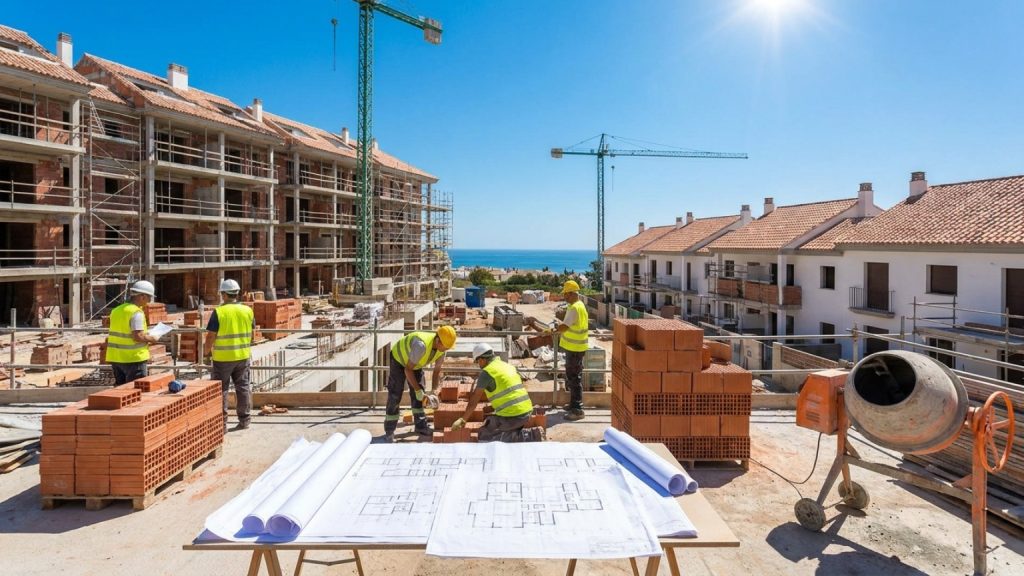
Many property owners face uncertainty when considering residential construction in Estepona. Lack of knowledge about the process, permits, or costs can create doubts. We understand these concerns. Understanding each stage is fundamental to avoid problems and ensure your project develops smoothly.
1. What is residential construction and what does it involve?
Residential construction focuses on building or improving living spaces for people. This includes creating new homes, apartments, or townhouses. It also covers major renovations and extensions to existing properties. In Estepona, this work helps meet the demand for quality housing.
- Planning and Design: This initial phase involves creating detailed blueprints and architectural plans. It defines the layout, materials, and overall aesthetic for the future home, ensuring it meets client needs.
- Permits and Regulations: All residential projects require specific local permits from the Estepona town hall. We make sure to follow all building codes, zoning laws, and environmental standards to avoid delays and ensure compliance.
- Site Preparation and Foundation: Before construction begins, the land must be cleared, leveled, and prepared. A strong, stable foundation is then expertly laid, which is crucial for supporting the entire structure of the building.
- Construction and Finishing: This stage includes erecting the main structure, installing roofing, and adding essential utilities like plumbing and electricity. It also involves applying interior finishes such as walls, floors, and fixtures, bringing the design to life.
- Project Management: Effective project management ensures smooth coordination among all trades and timely completion. This includes diligent oversight of schedules, careful budget management, and strict quality control at every step.
Residential construction is a complex process with many interconnected steps. It requires careful planning and skilled execution to create safe and functional homes.
2. Why is detailed planning crucial for residential construction?
Detailed planning is essential for any residential construction project in Estepona. It sets a clear roadmap for every stage, from initial design to final completion. Without thorough planning, projects often face unexpected problems, delays, and increased costs. A solid plan helps ensure a smooth process and a successful outcome and successful outcome.
- Cost Management: Careful planning helps define and stick to your budget from the start. This prevents expensive surprises and changes once construction begins, which is common in areas like Estepona where material costs can fluctuate.
- Permit and Regulation Adherence: Local building codes and permits in Estepona are specific and must be followed. Detailed plans ensure all necessary documents are prepared and approved before work starts, avoiding fines or construction halts.
- Project Timeline Efficiency: A well-structured plan outlines all tasks and their sequence, leading to efficient work. This reduces delays and helps complete the project on schedule, which is vital for new homes or renovations.
- Risk Identification: Identifying potential site challenges or design flaws during the planning phase saves significant time and money. For example, understanding the specific soil conditions in a coastal Estepona plot can prevent future foundation issues.
Investing time in detailed planning pays off by ensuring a more efficient and successful project. It ultimately protects your investment and delivers the quality you expect for your residential construction.
3. How does the residential construction process unfold?
Building a new home in Estepona follows a clear, step-by-step process. This structured approach ensures every detail, from initial design to final handover, meets local standards.
We guide you through each stage to make the journey smooth and understandable. For instance, before any ground is broken, detailed architectural plans must be approved by the Estepona town hall.
- Initial Design and Planning: This stage involves creating detailed architectural drawings based on your vision and needs. We work with you to finalize floor plans, materials, and overall aesthetics.
- Permit Acquisition: Obtaining the necessary building permits from the Estepona town hall is a critical step. This ensures your project complies with all local zoning laws and construction regulations.
- Groundwork and Foundations: After permits are secured, we prepare the site by clearing, excavating, and leveling the land. Strong foundations are then laid, providing a stable base for the entire structure.
- Structural Construction: This phase includes building the main framework, walls, and roof of your new home. High-quality materials are used to ensure the structural integrity of the property.
- Finishing and Inspections: Interior and exterior finishes, such as plastering, tiling, and installing fixtures, are completed next. Regular inspections occur throughout this period to confirm quality and adherence to plans.
Following these steps carefully helps ensure the successful completion of your residential project. A well-managed construction process delivers a high-quality home that meets all expectations.
4. What steps should you follow before starting residential construction?
Starting a residential construction project in Estepona requires careful preparation. Taking the right steps before you begin helps ensure a smooth process. Proper planning can prevent delays, reduce unexpected costs, and lead to a successful outcome for your new home.
- Site Selection and Feasibility: You must first choose a suitable plot of land. For example, ensure the land’s zoning allows for residential construction and that it has access to utilities like water and electricity.
- Legal and Regulatory Compliance: Understand all local building codes and obtain necessary permits from the Estepona town hall. This includes checking specific regulations that may apply to coastal areas or protected zones.
- Architectural Design: Work with a qualified architect to create detailed plans that meet your needs and local aesthetic guidelines. A good design considers the climate, views, and efficient use of space.
- Budget and Financing: Develop a realistic budget that covers all construction phases, including materials, labor, and professional fees. Always include a contingency fund for unforeseen expenses.
- Contractor Selection: Choose an experienced construction company with a strong track record in Estepona. Look for a team that understands local conditions and has positive client references.
Following these initial steps sets a strong foundation for your building project. This careful preparation is key to turning your vision into a well-built home.