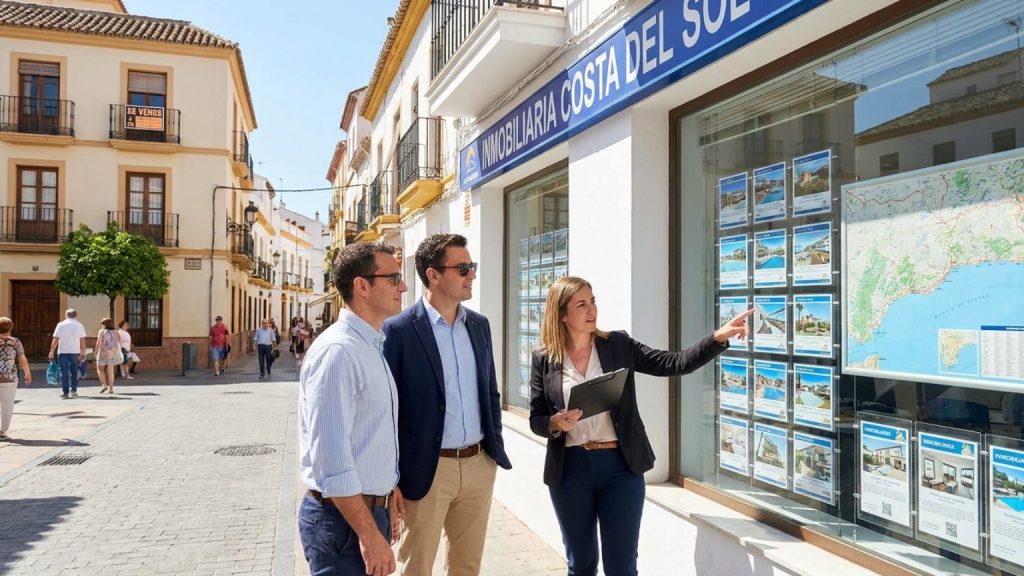
Buying property in a foreign country like Spain can feel overwhelming. You might worry about legal complexities, language barriers, and finding trustworthy professionals. Understanding the local real estate market is essential to a successful purchase. This article explains the role of real estate in Spain.
1. What defines the real estate market in Spain?
The real estate market in Spain has distinct features that shape buying and selling experiences. Understanding these defining aspects is important for anyone considering property here.
- Regional Diversity: Spain’s property market varies significantly across its regions. Property values in Madrid, for example, differ greatly from those in rural Galicia.
- International Buyer Presence: Foreign buyers are a major force, especially in popular tourist and coastal areas. This demand influences property types and prices in regions like the Costa del Sol.
- Legal and Administrative Process: Buying property in Spain involves specific legal and bureaucratic steps. You must obtain an NIE number and follow distinct local regulations.
- Market Fluctuations: Property values can change based on economic conditions, tourism levels, and local development. Strong tourism, for example, often increases demand for rental properties.
- Diverse Property Types: The market offers a wide array of property options to suit different needs. You can find city apartments, rural fincas, or beachfront homes across the country.
These characteristics create a vibrant and complex real estate landscape in Spain, requiring informed decisions.
2. Why is understanding real estate in Spain crucial for buyers?
Understanding the real estate market in Spain is very important for buyers. This knowledge helps you make good choices and avoid common problems. The Spanish property market has specific rules and customs that differ from other countries. Knowing these details can save you time and money during your purchase.
- Legal Framework: Spanish property law has specific regulations that differ from other countries. For example, understanding concepts like ‘Nota Simple’ or property registry details is essential before buying.
- Regional Market Dynamics: Property values and demand change significantly across Spain. A coastal area like the Costa del Sol has different trends than a city like Madrid, affecting prices and investment potential.
- Taxation and Fees: Buyers face various taxes and fees, such as ITP (Property Transfer Tax) or VAT. These costs add a notable amount to the purchase price, so you must budget for them correctly.
- Buying Process: The steps involved in buying property in Spain can seem complex. You will need to manage things like the initial reservation contract, the private purchase contract, and the final deed at the notary.
Having a good grasp of the Spanish real estate landscape is not just helpful; it is a necessity. This knowledge protects your investment and ensures a smoother buying experience.
3. How to identify a reliable real estate agency in Spain?
Finding a reliable real estate agency in Spain is key to a smooth property purchase. You need an agency that understands the local market and protects your interests throughout the process. Identifying a trustworthy partner involves looking at several important factors. This section will guide you through how to identify a reliable agency identify reliable agency.
- Professional Registration: A reliable agency should be legally registered with relevant professional bodies in Spain. This registration ensures they meet specific standards, and it also confirms they follow ethical guidelines in their operations.
- Local Market Expertise: The agency must have deep knowledge of the specific area where you want to buy property. For example, an agent specializing in Valencia city will offer far better insights into local prices and neighborhoods than one focused only on Barcelona.
- Transparent Fee Structure: Reputable agencies clearly outline all their fees and commissions upfront before any agreements. They should also explain any other potential costs involved in the property buying process without hesitation.
- Positive Client Feedback: Look for agencies with strong client testimonials and positive reviews online from previous buyers. Good feedback indicates a history of successful transactions and shows they have satisfied clients.
- Clear Communication: The agency should communicate clearly and promptly throughout the entire process, especially if you are an international buyer. They must explain complex legal terms and local procedures in a way you can easily understand.
By checking these points, you can choose an agency that will guide you well. A trustworthy agency makes your property purchase in Spain much smoother and safer.
4. What steps should you take when engaging with real estate in Spain?
Engaging with real estate in Spain requires a clear and structured approach. You should take several important steps to ensure a smooth and successful property search. Following these guidelines helps you find the right property and work effectively with your chosen agency.
- Define Your Needs Clearly: Before contacting any agency, you must know what you want. Think about the type of property, its location, and your budget. For example, deciding if you need a city apartment or a coastal villa helps narrow your search significantly.
- Research and Verify Agencies: Look for agencies with a strong local presence and positive client reviews. Check if they are registered and have a physical office. A reputable agency will openly share their credentials and experience.
- Understand Agency Agreements: Always ask for a clear breakdown of their services and fees. Make sure you understand the terms of any exclusivity agreements before you sign. Knowing the commission structure prevents any surprises later.
- Communicate Your Expectations: Clearly tell your agent about your priorities and any specific requirements you have. This helps them find suitable properties and saves time for everyone involved. For instance, if you require a property with strong rental potential, state this upfront.
- Prepare Necessary Documentation: Start gathering essential documents like your NIE (Foreigner Identification Number) and consider opening a Spanish bank account. Having these ready speeds up the buying process once you find a property you like.
Taking these steps early makes your property search in Spain much more manageable. A thoughtful approach ensures you work with trusted professionals and find a home that meets your needs.