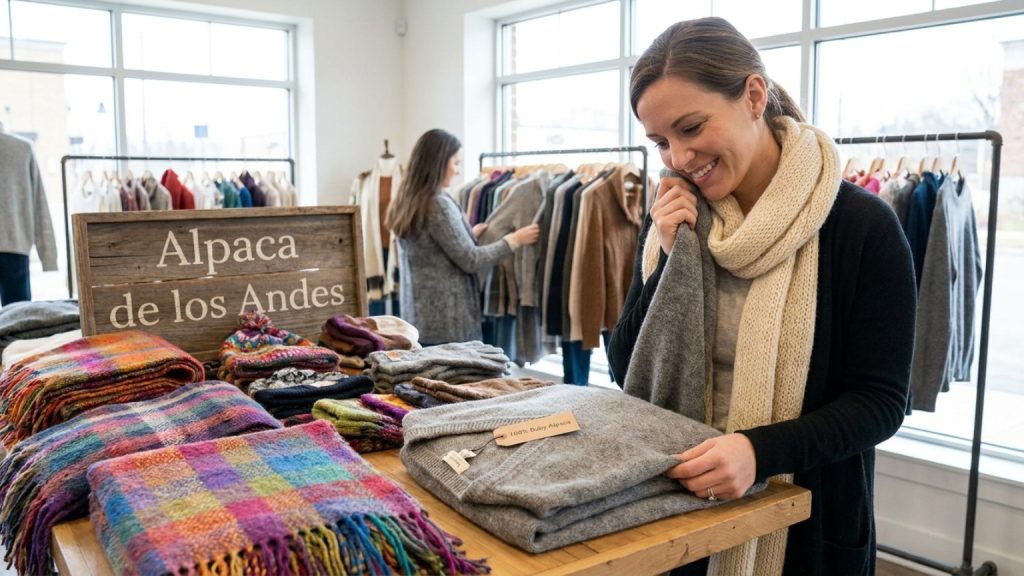
Finding clothing that offers both luxurious comfort and lasting warmth can be challenging. Many garments compromise on quality or ethical production. If you seek an alternative combining softness, durability, and natural benefits, alpaca clothing is a compelling option. Understanding its unique properties is key.
1. What is alpaca clothing and its defining characteristics?
Alpaca clothing comes from the soft, luxurious fiber of the alpaca animal, native to the Andes mountains. This natural fiber is highly valued for its unique blend of desirable characteristics, making it a distinct choice in the world of textiles. It offers comfort and practical benefits that set it apart from other materials.
- Softness: Alpaca fiber is exceptionally soft, often compared to cashmere. This is because its fibers have a smooth surface, creating a pleasant feel against your skin without the itchiness sometimes associated with sheep’s wool.
- Warmth: Despite its light weight, alpaca fiber provides excellent insulation. The fibers are hollow, trapping air inside and creating a thermal barrier that keeps you warm in cold weather. For example, an alpaca scarf can offer significant warmth without feeling bulky.
- Lightweight: The hollow structure of alpaca fibers makes garments surprisingly light. This means you can wear warm clothing without feeling weighed down, allowing for easy movement and comfort throughout the day.
- Durability: Alpaca fiber is strong and resistant to pilling, stretching, and shrinking when cared for properly. A well-made alpaca sweater can last for many years, maintaining its shape and texture.
- Hypoallergenic: Unlike sheep’s wool, alpaca fiber contains no lanolin, which is a common allergen. This makes alpaca clothing a good choice for people with sensitive skin or wool allergies, allowing them to wear warm, natural fibers comfortably.
These defining characteristics make alpaca clothing a premium option for those seeking both comfort and quality. Understanding these traits helps you appreciate the value and benefits of alpaca garments.
2. Why is the purchase of alpaca clothing a valuable investment?
Buying alpaca clothing offers significant value beyond its initial cost. This type of apparel provides a unique blend of comfort, durability, and natural benefits that few other fibers can match. Choosing alpaca means you are investing in high-quality items that last for many years.
- Exceptional Warmth and Softness: Alpaca fiber is incredibly fine and hollow, which allows it to trap heat very efficiently. This makes alpaca clothing much warmer than sheep’s wool, while also feeling remarkably soft and gentle against your skin.
- Durability and Longevity: Alpaca fibers are strong and resilient, resisting pilling, stretching, and wrinkling better than many other natural fibers. For example, with proper care, an alpaca sweater can remain beautiful and functional for decades, unlike fast fashion items that often show wear after just a few seasons.
- Hypoallergenic Properties: Unlike sheep’s wool, alpaca fiber does not contain lanolin, which is a common allergen for many people. This makes alpaca clothing a safe and comfortable choice for individuals with sensitive skin or wool allergies.
- Natural Breathability and Moisture-Wicking: Alpaca is a breathable fiber that helps regulate your body temperature, keeping you warm without overheating. It also wicks away moisture, ensuring you stay comfortable in various conditions, such as when moving from cold outdoors to warm indoors.
- Sustainable Choice: Alpacas have a light environmental footprint, grazing gently and requiring less water than other livestock. When you buy alpaca products, you support ethical farming practices and contribute to a reduced impact on the planet.
Considering these many benefits, alpaca clothing represents a smart, long-term choice for your wardrobe. You gain not just a garment, but a lasting piece of comfort, quality, and sustainable fashion.
3. How to ensure quality when making an alpaca clothing purchase?
When you buy alpaca clothing, ensuring its quality is important. High-quality alpaca items offer exceptional softness, warmth, and durability. Knowing what to look for helps you make a smart purchase that will last. This guide will help you identify genuine, well-made alpaca garments.
- Fiber Composition: Always check the label for the exact fiber content. Look for 100% alpaca or blends with other natural fibers like silk or merino wool. For example, a label stating «baby alpaca» indicates a very fine and soft fiber, often preferred for delicate items.
- Softness and Feel: Real alpaca wool is incredibly soft and smooth, not scratchy. Gently rub the fabric against your skin to test its texture. A rough or coarse feel may suggest a lower grade fiber or a blend with cheaper materials.
- Construction Quality: Examine the garment for even stitching and a consistent knit or weave. Look for strong seams, well-finished edges, and no loose threads. A well-made item shows attention to detail in its construction.
- Ethical Sourcing and Origin: Reputable sellers often provide information about where their alpaca wool comes from. Products from Peru or Bolivia are common, as these countries are primary sources of alpaca fiber. This also supports ethical practices and animal welfare.
By checking these details, you can be confident in your alpaca clothing purchase. Investing in quality ensures you enjoy the comfort and longevity of these special garments.
4. What steps to take for an informed alpaca clothing purchase?
When you decide to buy alpaca clothing, taking a few steps ensures you make an informed choice. This process helps you select items that meet your expectations for quality, comfort, and value. By understanding key aspects, you can confidently choose pieces you will enjoy for years.
- Material Composition: Alpaca wool is known for its softness and warmth. Look for labels that clearly state the fiber content to confirm authenticity. For example, a sweater labeled «100% baby alpaca» indicates a high-quality, fine fiber.
- Fiber Grade: Alpaca fibers come in different grades of fineness. «Baby alpaca» refers to the softest fibers, often used for items worn close to the skin. «Royal alpaca» is an even finer, more exclusive grade.
- Construction and Finish: High-quality alpaca garments show careful construction. Examine seams for evenness and secure stitching, and check knitted items for consistent tension. A well-made piece will last longer and maintain its shape better.
- Care Requirements: Alpaca requires specific care to maintain its properties. Always check the care label before buying to understand washing and drying instructions. Proper care ensures your clothing remains soft and beautiful over time.
Following these steps will guide you towards making a wise alpaca clothing purchase. You will then own a garment that offers lasting comfort, warmth, and style.